
Trump Accounts employers include Bank of America, Chipotle, Dell and Uber
More than 55 companies plan worker-child contributions, but many employers are waiting for Treasury rules before joining.
By Maya Lindqvist · Senior Technology Correspondent
3 min read
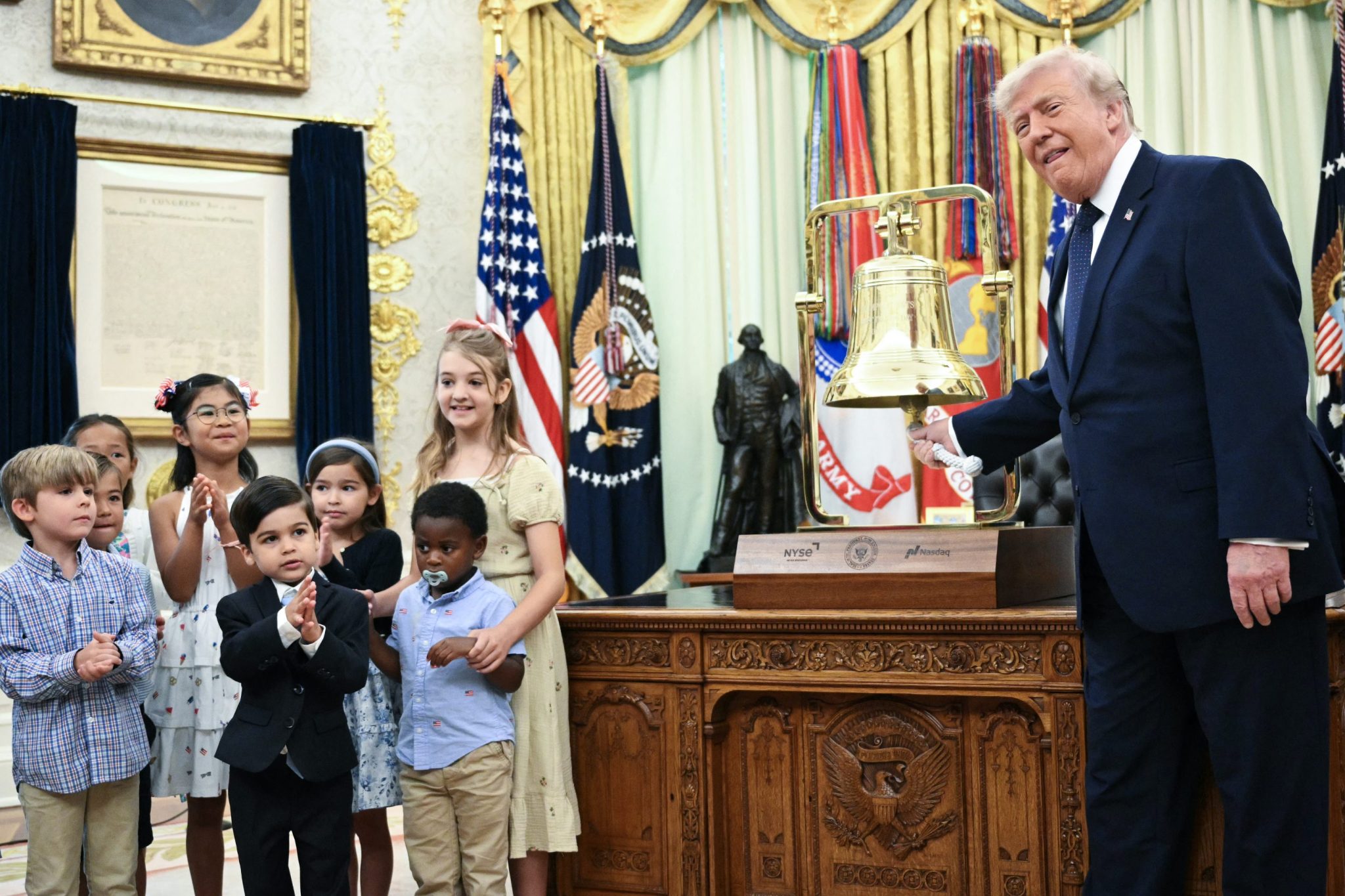
Trump Accounts employers now include Bank of America, Chipotle, Dell and Uber, but the corporate rollout remains limited even after millions of families signed up for the child savings program. The Treasury Department said more than 6.5 million families have registered since the accounts formally launched on July 4.
An independent tracker affiliated with Saving for College lists more than 55 companies that have said they will contribute to Trump Accounts for eligible workers’ children. That is a small share of the employer market, and Fortune reported that many companies are holding off until the Treasury Department gives more detailed instructions on how contributions should be handled.
What are Trump Accounts?
Trump Accounts are savings accounts for U.S. citizens under 18 that become individual retirement accounts once the child reaches adulthood. Under a provision in the One Big Beautiful Bill Act enacted last year, employers may contribute as much as $2,500 a year tax-free to an eligible child’s account.
The program also includes a pilot that seeds accounts with $1,000 for children born from Jan. 1, 2025, through Dec. 31, 2028. Bank of New York Mellon is the designated trustee for those pilot contributions, according to Mercer law and policy practice leader Dorian Smith.
Smith told Fortune that once the government deposit is made into a BNY account, the account holder can move the money to another trustee. That creates a practical problem for employers, he said, because companies are unlikely to want to send contributions to many different financial firms.
Why many companies are waiting
The Labor Department has resolved one major legal question. In June, the department said employer contributions to Trump Accounts will not fall under the Employee Retirement Income Security Act of 1974, known as ERISA, meaning employers would not face the fiduciary duties that apply to many retirement plans.
Smith said that guidance helps, but he told Fortune it is unlikely to change the minds of employers that are unsure about participating. In an April Mercer survey, two-thirds of employers said they did not plan to implement employer or employee contributions for Trump Accounts, while 4% said they planned to do so.
Companies still need operational guidance, Smith said, including basic instructions on where to send the money. The same issue applies to employers that do not plan to contribute directly but want to let workers make pre-tax payroll deductions through a cafeteria plan.
Employers are also waiting for more information on nondiscrimination rules, according to Smith. Those rules are meant to prevent highly compensated employees from receiving an outsized share of benefits in plans such as 401(k)s.
Where benefits budgets fit in
President Donald Trump described the accounts as the “most consequential” provision of the One Big Beautiful Bill Act during a July 22 speech in Georgia. Whether they become a standard workplace benefit will depend in part on whether lawmakers extend the pilot program and whether employers set aside money for contributions.
Matt Taylor, CEO of the HR consulting and employment law firm Guardian HR, told Fortune that companies already weigh several benefits costs, including health care, retirement contributions and dependent-care support such as flexible spending accounts. He said employers have not yet settled where Trump Accounts fit among those priorities.
This story draws on original reporting from Fortune.