
Steve Case calls for broader startup investment across the U.S.
The AOL co-founder says U.S. innovation depends on expanding capital and startup support beyond a few coastal hubs.
By Sofia Marchetti · World Affairs Correspondent
3 min read
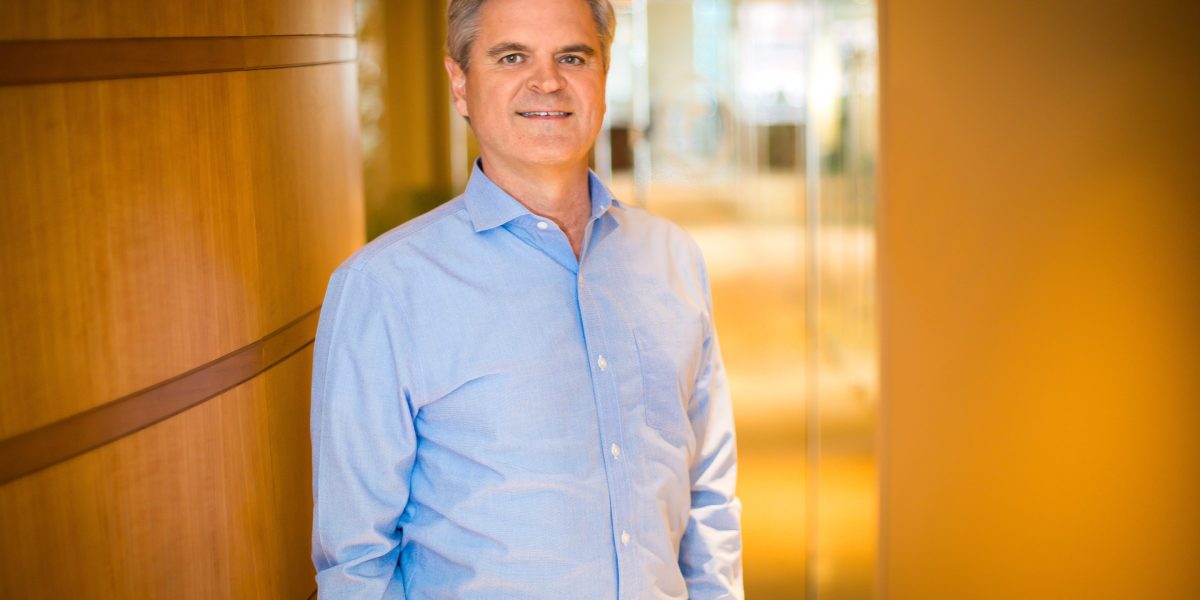
Steve Case is urging investors and policymakers to spread startup capital and support across more of the United States as the country approaches its 250th anniversary. The AOL co-founder and Revolution chief executive argues that America’s economic edge depends on giving entrepreneurs outside established tech centers a larger role in the next wave of innovation.
In a Fortune commentary, Case wrote that entrepreneurship has been central to U.S. growth since the country’s founding. He said the United States became a leading economy by creating conditions that helped founders build companies, jobs, industries and communities.
Case said the next phase of American innovation will require three shifts: recognizing talent outside the dominant venture markets, preparing for technologies that reshape more traditional industries, and treating entrepreneurship across more regions as a national competitiveness issue.
Venture capital remains concentrated
Case pointed to data from the National Venture Capital Association and PitchBook showing that about 75% of venture capital last year went to New York, Massachusetts and California. He said those states have produced major companies, but argued that capital concentration has reinforced a pattern in which similar founders in similar places tend to receive funding for similar ideas.
Through Revolution’s Rise of the Rest initiative, Case said he has met entrepreneurs across the country while traveling by bus to cities outside the main coastal funding centers. He cited his upbringing in Hawaii as part of why he views innovation as broader than the traditional centers of finance and power.
Case named several companies backed by Revolution as examples of regional startup activity. They include Tempus, an AI-enabled health technology company in Chicago; Hermeus, an Atlanta developer of hypersonic and high-Mach aircraft; CAVA, a Mediterranean restaurant brand based in Washington, D.C.; and Anduril, a defense technology company in San Diego.
According to Case, founders in those places often choose their locations because of local talent, university ties, industry expertise, business costs and regional culture. He said those factors can help companies grow outside Silicon Valley and New York.
AI and industry startups may spread growth
Case said the internet era was heavily shaped by consumer software and online platforms. He expects the next era to affect artificial intelligence, robotics, biotechnology, advanced manufacturing, energy, agriculture, healthcare, transportation and financial services.
Although recent AI activity has centered heavily in Silicon Valley, Case argued that industry-specific AI could create openings in regions with deep experience in sectors such as healthcare, agriculture, manufacturing and energy. He said companies often develop near the problems they are trying to solve, including near medical centers, research universities or industrial communities.
Case also said startups increasingly need ties to government, industry and local communities. In his view, those partnerships could allow more cities to become meaningful centers for new company formation.
Case warned that public trust in capitalism and technology could weaken if the innovation economy appears to benefit only a small group of companies and regions. He also said other countries, including China, India, Israel, South Korea and Sweden, are investing in entrepreneurship, AI, advanced manufacturing and talent attraction.
To maintain U.S. competitiveness, Case called for wider access to capital, stronger links among startups, universities, corporations and local governments, and policies that continue to draw entrepreneurs from abroad. He said the country also needs business cultures that accept risk and treat setbacks as part of innovation.
This story draws on original reporting from Fortune.