
Cannes marketers say AI puts more value on human creativity
Executives at Cannes Lions said AI can speed marketing work, while trust still depends on human judgment and credible brand ties.
By Hana Yoshida · Markets Reporter
3 min read
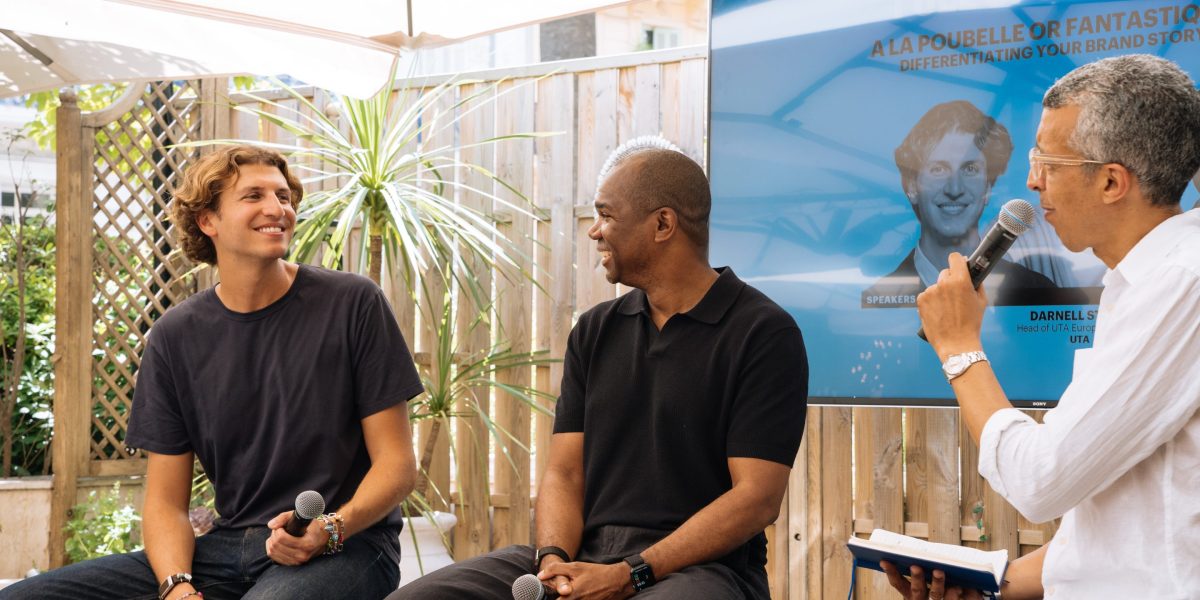
Marketing executives at Cannes Lions said the rise of AI is making human creativity and credible brand relationships more valuable, Fortune reported. Their comments came as survey data cited by Fortune showed many marketers worry that broader AI use could weaken consumer trust.
Fortune opened its Fuel Up event at the Cannes Lions International Festival of Creativity with a discussion featuring Gstaad Guy, the fictional Swiss luxury-world character whose creator has turned satire of wealthy consumers and premium brands into commercial partnerships.
Gstaad Guy, who has 3.1 million followers across Instagram and TikTok, told Fortune that his brand collaborations work because he had discussed those companies before paid deals existed. Fortune reported that he has recently worked with Bentley.
Consumer skepticism is a real business risk, according to data cited at the event. A 2026 Clutch report found that 97% of consumers consider authenticity when deciding whether to support a brand, while 81% said they had stopped supporting a brand that no longer seemed genuine.
Sports partnerships face a high bar
Executives said sports sponsorships show how quickly audiences judge whether a brand tie feels credible. Emily Ketchen, senior vice president and chief marketing officer of Lenovo’s intelligent devices group, told Fortune that sport gives people an easy shared language, even when they support different teams.
Toby Craig, Manchester United’s chief communications officer, said the club views supporters as active participants rather than passive buyers. He pointed to Manchester United’s relationship with Snapdragon, Qualcomm’s chip and processor brand, saying the partnership has substance because Snapdragon devices are used to produce the club’s football content, according to Fortune.
Todd Kaplan, North America chief marketing officer at Kraft Heinz, said sponsorships need to offer more than a logo placement. Fortune reported that Kaplan cited Oscar Mayer’s Wienie 500, a race involving six Wienermobiles at the Indianapolis Motor Speedway during Indianapolis 500 weekend, as an example tied to a long-running brand asset.
Oscar Mayer, a Kraft Heinz subsidiary known for hot dogs and cold cuts, has used the 27-foot Wienermobile since 1936, Fortune reported. Kaplan said last year’s first Wienie 500 drew 85,000 attendees and millions of livestream viewers, with the winner receiving a mustard celebration and the Borg-Wiener Trophy.
AI anxiety shifts the creative debate
AI was a central concern for marketers at Cannes. Fortune, citing a survey it conducted with Morning Consult of 1,100 marketing and finance decision-makers in the U.S., U.K. and Canada, reported that 78% of marketers are concerned that greater AI use could reduce trust in brands.
The same survey found that 34% believe AI will replace some creative roles, while 19% think it will sharply reduce the need for human creativity, according to Fortune.
Lucinda Barlow, Uber’s head of international marketing, told Fortune that AI struggles to reproduce the emotion behind strong campaigns, including humor and entertainment. Zena Srivatsa Arnold, Sephora’s chief marketing officer, said marketers using AI to study trends still need to remember that a person sits behind the data.
Timothy Young, chief executive of Jasper AI, told Fortune that AI’s value depends on marketers who can guide the technology with human taste and judgment. He said brands build authenticity through trust over time, and warned against chasing every online trend.
Barlow said the tone at Cannes had changed from the prior year, when Fortune reported that many offstage conversations focused on fear that AI could cost marketers their jobs. This year, she said, more executives treated human creativity as a business advantage.
This story draws on original reporting from Fortune.