
Dalio says China is gaining ground as U.S. power wanes
After a Beijing trip, Ray Dalio argued that China is using economic and diplomatic pressure to reshape the global order.
By Sofia Marchetti · World Affairs Correspondent
3 min read
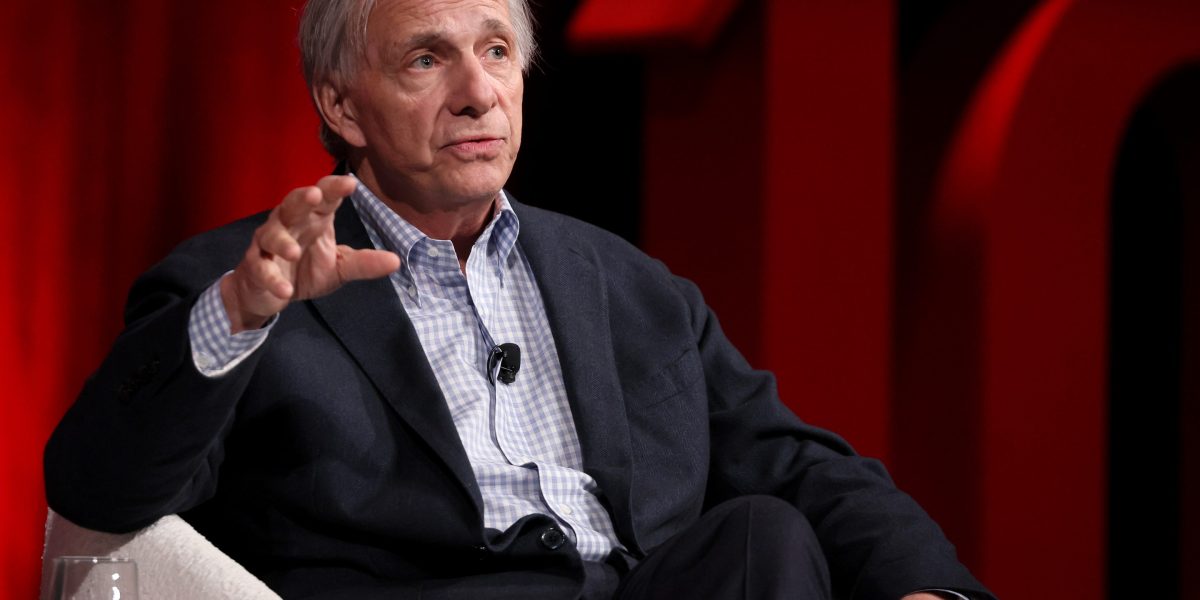
Ray Dalio said a recent trip to Beijing left him convinced that China is moving faster to reshape global power as U.S. influence weakens. The Bridgewater Associates founder argued in a June 18 LinkedIn essay that the United States’ response to Iran’s seizure of the Strait of Hormuz changed how Asian leaders judge Washington’s resolve.
Dalio wrote that leaders in Asia, including countries with U.S. military bases, now believe the American public lacks the appetite for the hardship of war and that Washington lacks the will to preserve its global position by force. He compared the moment to Britain’s handling of Egypt’s seizure of the Suez Canal, which he described as a signal of imperial decline.
Dalio’s comments followed a 10-day stay in Beijing during a monthlong Asia trip, according to Fortune. Fortune reported that Dalio has visited China for 42 years, built ties with senior officials and studied Chinese political history stretching back to 221 BCE.
In Dalio’s view, Beijing is building a modern version of China’s old tribute system. He described that system as a hierarchy in which smaller powers accepted China’s superior position in return for trade access and stability, rather than a Western-style empire based on occupation.
Dalio wrote that world leaders are now traveling to meet President Xi Jinping to form what he called “tribute-type relationships.” Fortune reported that President Trump made a state visit to Beijing in May, and that McKinsey’s China practice leaders viewed the trip as evidence that U.S.-China relations were no longer in free fall.
Dalio linked China’s current strategy to what Chinese leaders call the “100 Years of Humiliation,” the period from Britain’s defeat of China in the 1839 Opium War to the founding of the People’s Republic in 1949. He argued that issues including Taiwan, Korea, Hong Kong-era trade terms and the South China Sea remain central to Beijing’s view of historical redress.
Taiwan sits at the center of Dalio’s forecast. He said he suspects Xi wants reunification during a possible new term beginning in 2028, the same year Taiwan is due to hold a presidential election. Dalio suggested that a victory by the KMT, which favors closer ties with Beijing, could make a Hong Kong-style arrangement possible without a direct U.S.-China military clash.
Dalio also pointed to Taiwan’s role in advanced semiconductors, writing that artificial intelligence depends heavily on chips made there. He argued that China would not need to block chip exports to hurt markets; a credible threat could be enough to damage global stocks, especially AI-related shares. He said Beijing aims to reach chip self-sufficiency by late 2027 while the U.S. and its allies remain dependent on Taiwan.
For investors, Dalio said the shift threatens the dollar-centered system that has shaped global finance for decades. He wrote that China is building export surpluses, adding financial assets and seeing wider use of the renminbi in trade, while Chinese companies have reasons to avoid U.S. assets that could face sanctions.
Fortune also cited senior contributing columnist Steve Hanke, who argued before Trump’s May Beijing visit that China had spent six years building leverage through rare earths, critical minerals and materials supply chains used in defense and AI hardware. Dalio framed the same pressure in historical terms, writing that power can be effective when it is displayed without being used.
This story draws on original reporting from Fortune.