
SpaceX shares slide below IPO price after bullish analyst calls
Fortune reported that SpaceX fell to about $123 after underwriters issued mostly upbeat targets, raising questions about valuation assumptions.
By Hana Yoshida · Markets Reporter
3 min read
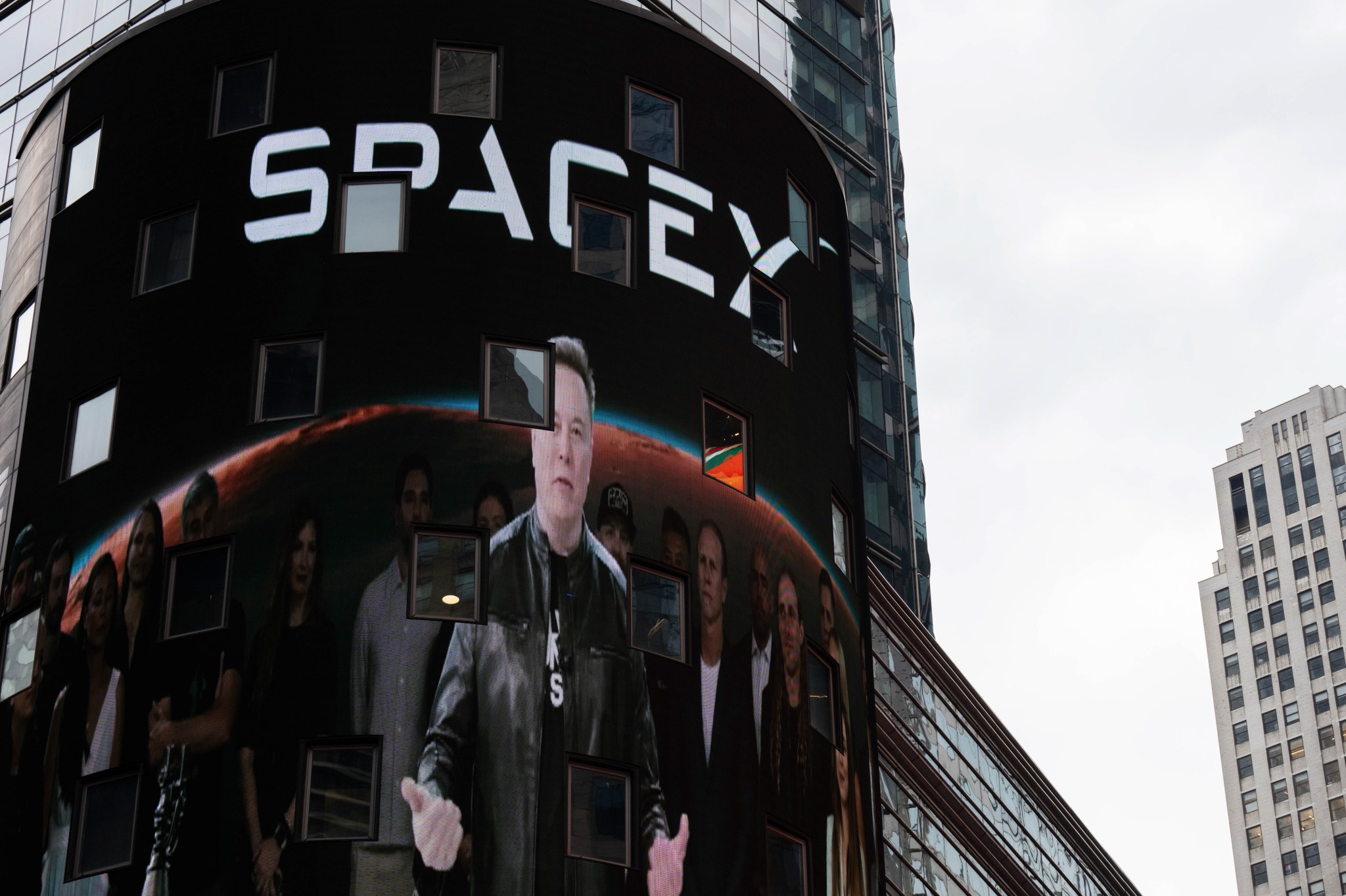
SpaceX shares have dropped below their $135 IPO price shortly after Wall Street underwriters issued broadly positive research on the company, Fortune reported. The fall matters because the June listing was described by Fortune as the largest U.S. IPO on record, and investors who received early allocations may now be sitting on losses if they sell.
According to Fortune, the stock climbed as high as roughly $211 in its first three trading days before reversing. It later fell below the offering price for the first time and continued down toward $125, with Fortune placing a recent level at about $123.
Analysts issued mostly upbeat targets
Fortune reported that research notes from banks involved in the offering arrived in early July, roughly 25 days after trading began, a common timing for post-IPO coverage. The banks’ outlooks were overwhelmingly favorable, with no neutral or negative ratings cited by Fortune among those issuing targets.
Fortune said 23 banks worked on the SpaceX offering. Five did not provide ratings or price targets, including Santander and Barclays, while William Blair assigned an “outperform” rating without a price forecast, according to the report.
Among banks that did set numerical targets, Fortune reported that Raymond James was the most bullish at $800 and Stifel was the lowest at $190. Fortune used SpaceX’s July 6 closing price of $160 as the comparison point because most of the targets appeared the next day.
On that basis, Fortune said Stifel’s call implied a 19% rise, while Raymond James projected a much larger gain. Morgan Stanley set a $300 target, while many others clustered between $200 and $250, according to Fortune.
Fortune reported that the median target was $225, with J.P. Morgan and Deutsche Bank among the firms at that level. The report also cited upbeat language from underwriters, including Morgan Stanley’s description of SpaceX’s business as “AI’s final frontier” and Bank of America’s line that the company was “paving the superhighway to the stars.”
Valuation concerns sharpened after the drop
The offering generated $500 million in fees before expenses for the underwriters, equal to 0.66% of the $75 billion raised, Fortune reported. The report said Goldman Sachs, Morgan Stanley, J.P. Morgan, Citigroup and Bank of America received about 85% of the shares sold and therefore stood to receive most of those fees, before costs.
Jay Ritter, a University of Florida finance professor whom Fortune identified as a leading IPO researcher, told Fortune the similarity of the targets suggested analysts were heavily influenced by one another. Ritter said the pattern looked mechanical: start with the current price, add a large increase and avoid straying far from peers.
Fortune reported that SpaceX was valued at about $2 trillion when the analyst calls came out. Reaching the median $225 target from the July 6 price would lift that valuation to roughly $3 trillion, according to Fortune’s calculation.
Fortune also reported that SpaceX lost $4.9 billion in 2025 on revenue of less than $19 billion, placing its valuation at about 105 times sales at the time of the analyst reports. At a $3 trillion valuation, Fortune said SpaceX would be worth more than Microsoft’s current market value, about twice Meta’s and nearly two-thirds of Nvidia’s.
Ritter told Fortune that a trillion-dollar gain may be plausible for a company such as Nvidia that already earns about $100 billion annually, but is harder to justify for SpaceX. He said valuing a newly public company with losses carries much more uncertainty than valuing a profitable one.
This story draws on original reporting from Fortune.