
Smithsonian history museum chief rejects White House criticism
Anthea Hartig defended the National Museum of American History at a House hearing after a White House report accused its leaders of politicizing exhibits.
By Maya Lindqvist · Senior Technology Correspondent
3 min read
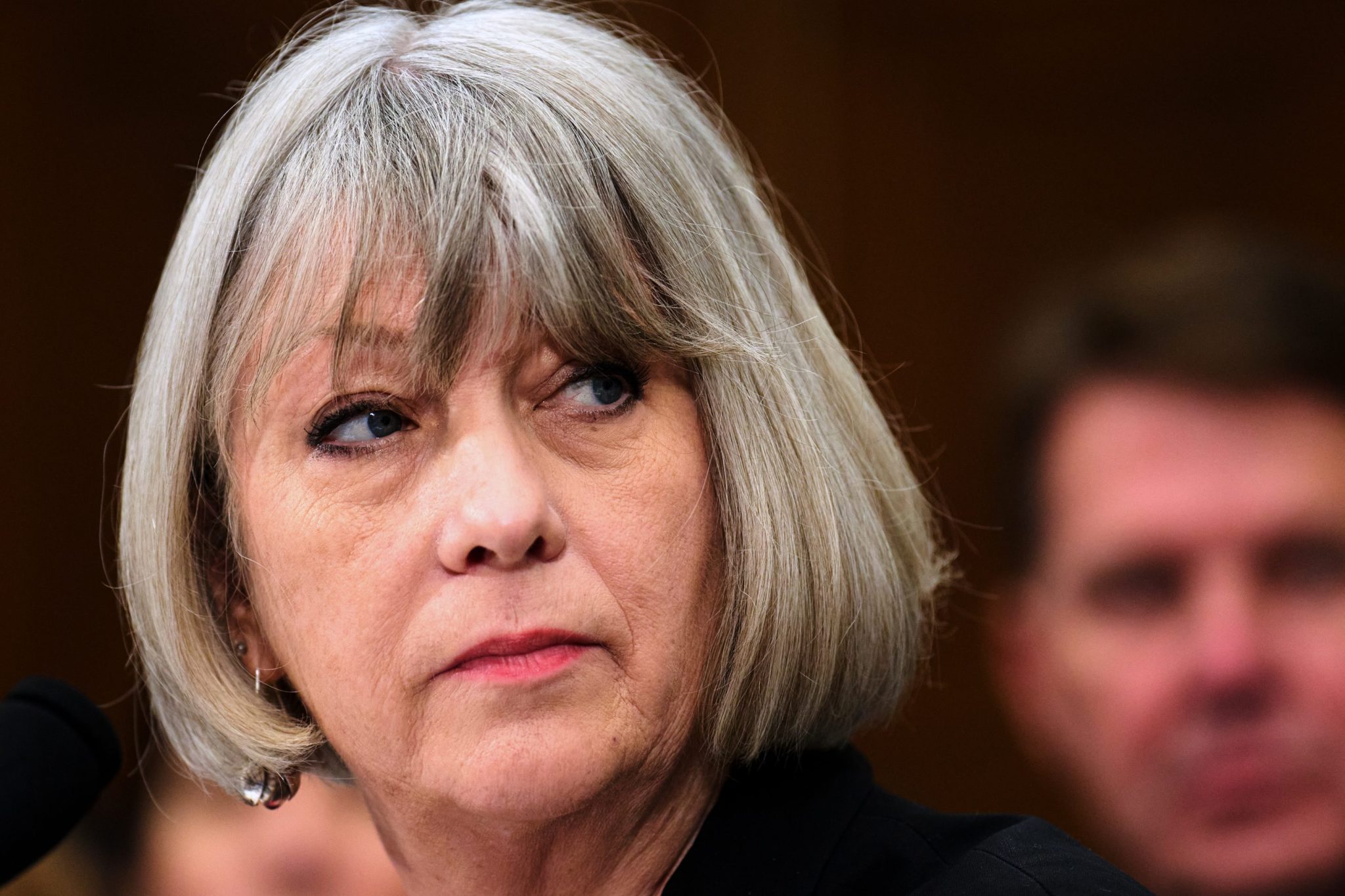
The director of the Smithsonian’s National Museum of American History told lawmakers Tuesday that a White House critique of the museum misrepresents its work. Her testimony put the museum at the center of a larger fight over how federally connected cultural institutions present American history ahead of the nation’s 250th anniversary.
Anthea M. Hartig, who is the first woman to lead the museum, appeared before a House Oversight subcommittee after the White House Domestic Policy Council issued a July Fourth report sharply criticizing the institution. President Donald Trump has sought to change how cultural institutions controlled or influenced by the federal government describe the country’s past, including by removing diversity, equity and inclusion elements from those accounts, according to the Associated Press.
Hartig told the panel the museum was still reviewing the report’s claims but rejected its overall characterization. “It does not fairly or accurately characterize the full body of work at the museum,” she said, while adding that the institution can improve.
The White House report said the museum had failed to present U.S. history in a way that is “inspiring, unifying, and worthy of our great republic.” It also said the museum “has refused to celebrate the Nation and its history.”
The report argued that the museum had not mounted an exhibit offering a broad account of American history or focusing on the Founding Fathers, the Declaration of Independence, the Revolutionary War, independence or constitutional government.
Hartig and the museum’s supporters pointed to a major anniversary exhibit that opened in May. “In Pursuit of Life, Liberty and Happiness” features 250 objects tied to the country’s 250th anniversary, including Thomas Jefferson’s desk used to draft the Declaration of Independence, a Revolutionary War-era gunboat and the Star-Spangled Banner.
Republicans question museum’s direction
Republicans on the subcommittee echoed parts of the White House criticism. Rep. Tim Burchett, R-Tenn., said the museum’s current approach treats history as “an ongoing power struggle between oppressors and the oppressed.” He also said the report showed what he called “woke exhibits and materials” reflecting the views of museum leadership.
Rep. Michael Cloud, R-Texas, acknowledged that the museum includes material connected to the anniversary but said he found it difficult to locate during a visit. Cloud said references to the Declaration of Independence were present but not prominent enough.
Hartig said the museum does not align itself with either side in political disputes. She described the museum’s work as an effort to include more evidence, objects and perspectives in its telling of the national story, rather than removing older accounts.
Republicans also pressed Hartig over “Girlhood (It’s Complicated),” an exhibit that ran from 2020 to 2023. The exhibit included a diary from a 13-year-old addressing topics that included gender identity. Hartig said the display carried a label stating that it was not intended for children.
Hartig’s job status also hung over the hearing. Trump last year said he was firing Kim Sajet, then director of the National Portrait Gallery, another Smithsonian museum that operates independently of the executive branch. Sajet later stepped down amid White House pressure.
Burchett asked Hartig why she should remain director. Hartig answered that leading the museum is “the honor of my career.”
This story draws on original reporting from Fortune.