
Deloitte leader reports 55% motivation decline with one distrusted trust factor
Simona Spelman cited a sharp motivation gap tied to trust categories, but the available Fortune account has no underlying study details.
By Hana Yoshida · Markets Reporter
2 min read
Deloitte employee trust motivation figures cited by U.S. human capital practice leader Simona Spelman show 82% of workers were motivated to give their best when they distrusted none of four trust factors, according to Fortune. The reported figure was 37% when one factor was distrusted, a difference of 45 percentage points, or about a 55% relative decline.
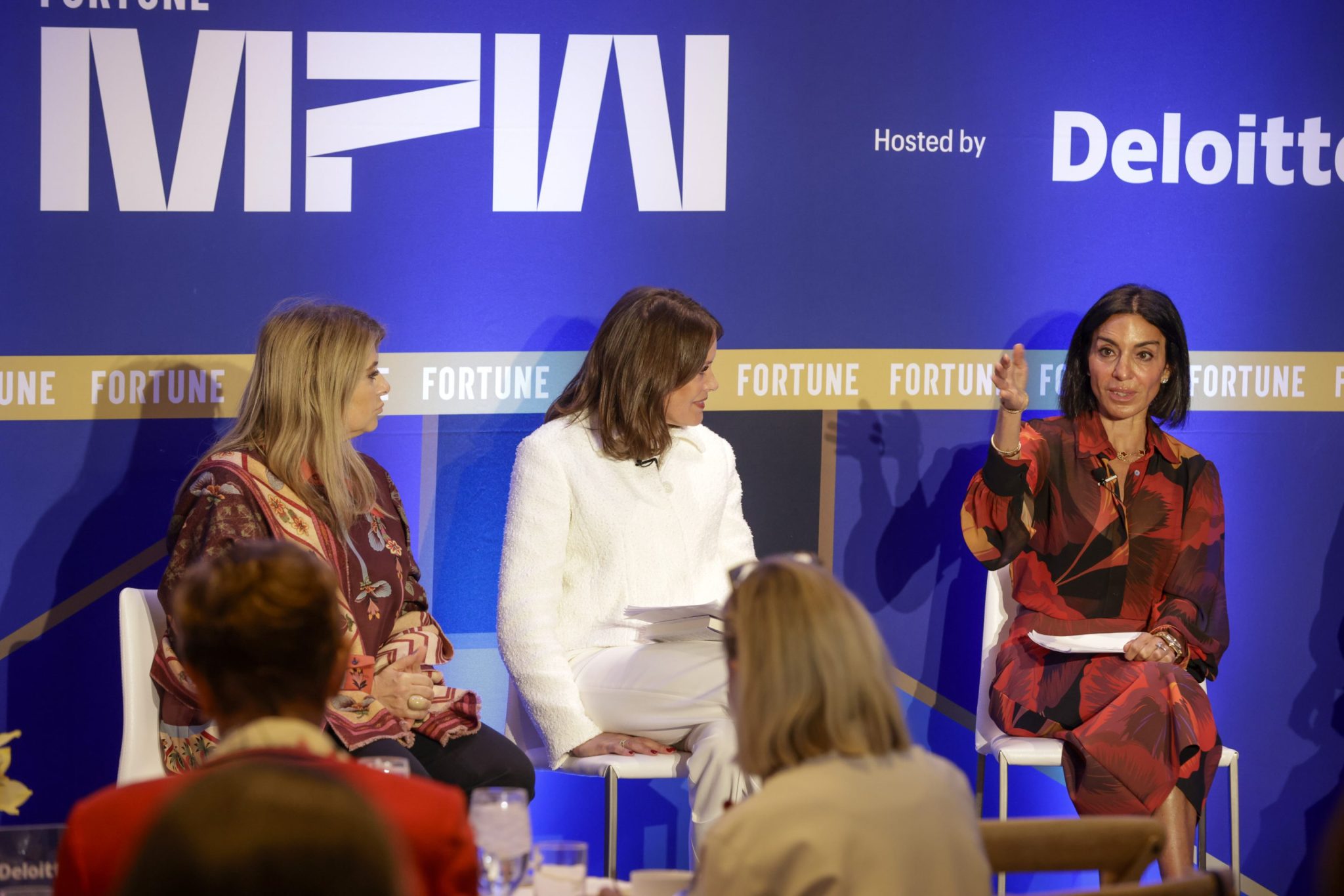
Fortune reported that Spelman discussed the figures at its Most Powerful Women Summit in Santa Barbara, California, and provided additional data after a panel. Deloitte identifies Spelman as its U.S. human capital practice leader.
What are Deloitte’s four factors of trust?
Spelman named reliability, transparency, capability and humanity as the four factors, Fortune reported. Deloitte separately uses the same four-factor trust framework on its website.
The figures Spelman cited declined further as more factors moved into the distrusted category. Fortune reported that 28% of employees were motivated when two factors were distrusted, while 7% were motivated when all four were distrusted.
Spelman’s reported figures describe differences among trust categories; the available account does not establish that distrust of one factor causes a decline in motivation. Fortune also did not include the underlying survey’s methodology, sample size, field dates, geography, question wording or original dataset for these specific percentages.
How does the 96% figure differ?
Fortune separately reported that 96% of employees who trusted their leader on all four factors were motivated to work. That measure should not be treated as directly comparable with the 82% figure for employees who distrusted none of the four factors, because the available report does not say whether the groups or questions were the same.
The remarks came during a panel discussion of AI’s effects on work and workers, according to Fortune. Spelman also cited a statistic that about 93% of AI investment goes to technology and 7% to the human side, though Fortune’s account did not identify the source or method behind that estimate.
There is narrower Deloitte context on workforce trust. A 2023 Deloitte Digital article said a Deloitte study of more than 4,000 U.S.-based workers found that 59% trusted their organization’s senior leadership team. That earlier research does not substantiate Spelman’s 82%, 37%, 28%, 7% or 96% figures.
The practical reading of Spelman’s presentation is limited to the reported pattern: employee motivation was lower in the categories where more of the four trust factors were distrusted. The strength and scope of that relationship cannot be independently assessed from the details available in Fortune’s report.
This story draws on original reporting from Fortune.