
Sanae Takaichi sleep schedule draws scrutiny as Tokyo shortens workweek
Japan's prime minister said she often sleeps zero to three hours a night, reviving concern as Tokyo promotes shorter workweeks.
By Maya Lindqvist · Senior Technology Correspondent
3 min read
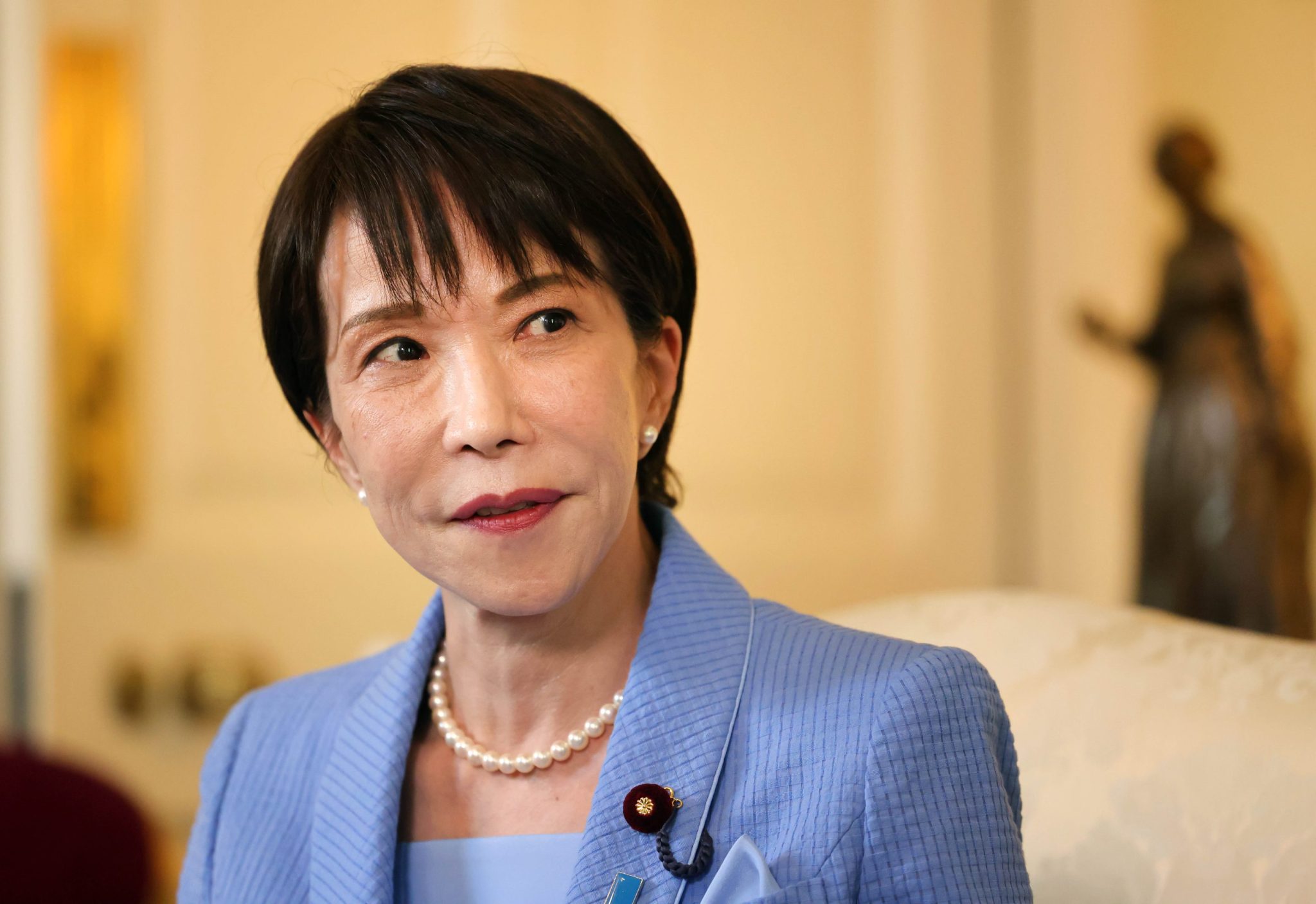
Japanese Prime Minister Sanae Takaichi’s sleep schedule is under public scrutiny after she said she has often been sleeping only “zero-to-three hours” a night since taking office. The comment matters because Japan has been trying to curb punishing work habits, while Tokyo has promoted a four-day workweek to ease burnout and support families.
Takaichi, 65, wrote on X during the Sea Day public holiday that getting five hours of sleep felt like a rare benefit. Her post drew more than 35 million views, according to Fortune, and renewed debate over whether Japan’s leader is presenting extreme hours as a virtue.
In the same post, Takaichi said she had been working from early morning until late at night and spending recent weekends at the prime minister’s residence reading large amounts of material tied to her legislative plans. She also said the holiday let her catch up on household tasks, including ironing and mending clothes, because Japan’s official prime ministerial residence does not have domestic staff such as housekeepers.
How much does Sanae Takaichi sleep?
Takaichi said on X that since becoming prime minister, sleeping zero to three hours a night had become her usual pattern. She described five hours of sleep on the holiday as the first such stretch she had had in a long time.
The National Sleep Foundation recommends seven to nine hours of sleep for adults ages 18 to 64. For adults 65 and older, the group recommends seven to eight hours a night.
Takaichi’s approach to work has drawn attention before. After becoming Japan’s first female prime minister in October 2025, she said she would set aside the idea of work-life balance for herself and would keep working, according to Fortune.
She also faced criticism after calling staff to a 3 a.m. meeting shortly after taking office. Fortune reported that Takaichi later connected the incident to a broken fax machine at home, saying aides had to help her access another office before an early meeting.
Opposition lawmaker Toru Kunishige warned that sustained lack of sleep can harm judgment in a way comparable to intoxication and could create risks for crisis management, The New York Times reported. Another politician said rest is part of the job, according to the newspaper.
Why does this clash with Japan’s workweek push?
The reaction to Takaichi’s comments comes as Japan continues to address karoshi, a term used for death from overwork after several high-profile cases. Tokyo officials introduced a four-day workweek policy last year, Fortune reported, as part of an effort to improve work-life balance amid burnout and falling birthrates.
Tokyo Gov. Yuriko Koike told Fortune last year that society needed to allow people to balance work and family life, and described the four-day workweek as one step toward that goal. She said flexible systems can help women and men choose work arrangements that fit their circumstances.
Younger workers are also placing more weight on time away from work. Randstad’s 2025 Workmonitor report found that 74% of Gen Z workers rank work-life balance as a top priority when choosing an employer, ahead of pay.
Supporters of shorter schedules have also pointed to productivity gains. Microsoft Japan tested a four-day workweek in 2019 and reported a 40% rise in productivity, according to NPR.
This story draws on original reporting from Fortune.