
Samsung turns to Mauro Porcini to shape its AI-era devices
Samsung’s first chief design officer is tasked with giving its phones, appliances and services a more unified identity as AI changes consumer electronics.
By Maya Lindqvist · Senior Technology Correspondent
3 min read
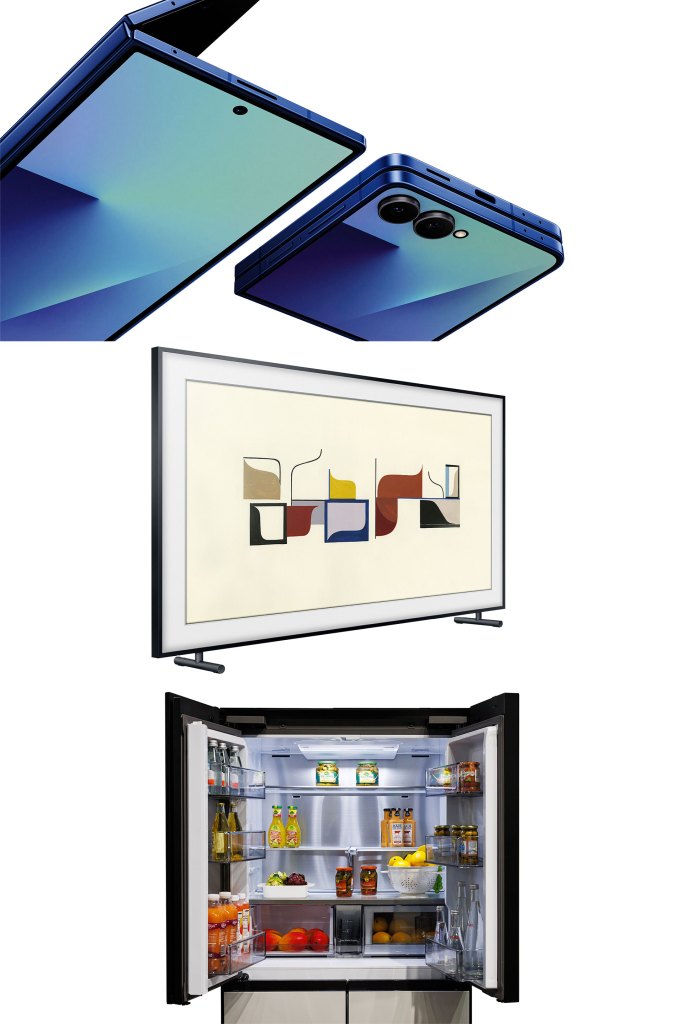
Samsung Electronics has brought in Mauro Porcini as its first chief design officer, giving an outside design executive a central role as the company pushes artificial intelligence across its devices. Fortune reported that Porcini’s brief covers a more unified global identity for Samsung products, from smartphones to home appliances, at a time when rivals are pressing the company in key markets.
Porcini, 50, started the role last year after senior design posts at 3M and PepsiCo and an earlier product-design role at Philips, according to Fortune. Samsung said when he was hired that he would strengthen its user-centered design work, while Porcini described his task as deciding how Samsung’s portfolio can become more useful to customers and the business.
Samsung has a large in-house design operation and a long record in consumer electronics, Fortune reported. The company makes phones, televisions, monitors, refrigerators, washing machines and other products, while also supplying components such as batteries, camera modules and memory chips to other technology companies, including Apple.
The appointment comes as Samsung faces pressure in smartphones and televisions. International Data Corporation said Apple passed Samsung as the top smartphone seller in 2023 and has kept a narrow lead since, according to Fortune. Fortune also reported that Chinese companies, including Xiaomi in phones and TCL in televisions, are moving into premium markets where Samsung has been strong.
AI adds another challenge. Reuters reported that Samsung Electronics co-CEO Roh Tae-moon said in January that the company plans to bring Galaxy AI services to 800 million mobile devices this year and apply AI across products, functions and services as quickly as possible.
Fortune reported that Porcini has not detailed specific changes he plans for Samsung’s product lineup. In a company post after his appointment, he described an “ecosystem of experiences” connecting phones, TVs, appliances and wearables, including examples such as a refrigerator that understands dietary goals and a TV that reflects a user’s mood.
Porcini’s background is in corporate design systems as much as individual products. At 3M, Fortune reported, he became the company’s first chief design officer in 2011 after working his way up from a Europe-based design role. His work there included products such as a lighter welding helmet and a video projector, and he pushed the company to think about packaging, retail presentation and digital experience alongside product appearance.
PepsiCo hired Porcini as its first chief design officer in 2012, Fortune reported. One of his early assignments was redesigning Pepsi’s soda dispenser after Coca-Cola’s Freestyle machine gained attention; Porcini’s team developed Spire, a smaller dispenser that used cheaper technology and a large customer-facing screen. Fortune also reported that he later helped move Pepsi away from a criticized logo toward a more retro design.
Samsung’s own design emphasis dates back decades, according to Fortune. Lee Kun-hee, the late Samsung chairman, pushed the company in the 1990s to improve quality and design, and Samsung later produced products such as the 2002 T100 phone with a color LCD display and the 2006 Bordeaux LCD TV.
Youngjin Yoo, a London School of Economics professor and former Samsung adviser, told Fortune that Lee understood design’s value for digital technology. Yoo also told Fortune that Samsung lost some momentum after the 2016 Galaxy Note 7 battery fires and recall.
Fortune reported that Porcini sees human designers retaining a central role even as generative AI changes creative work. He told Fortune that technology is a tool and that designers act as “ambassadors for human beings,” a view Samsung is now testing across one of the broadest product catalogs in consumer electronics.
This story draws on original reporting from Fortune.