
Radiology jobs grow despite early AI replacement warnings
AI leaders once warned radiology would disappear, but U.S. employment, openings and pay have risen as doctors use AI for parts of the job.
By Maya Lindqvist · Senior Technology Correspondent
4 min read
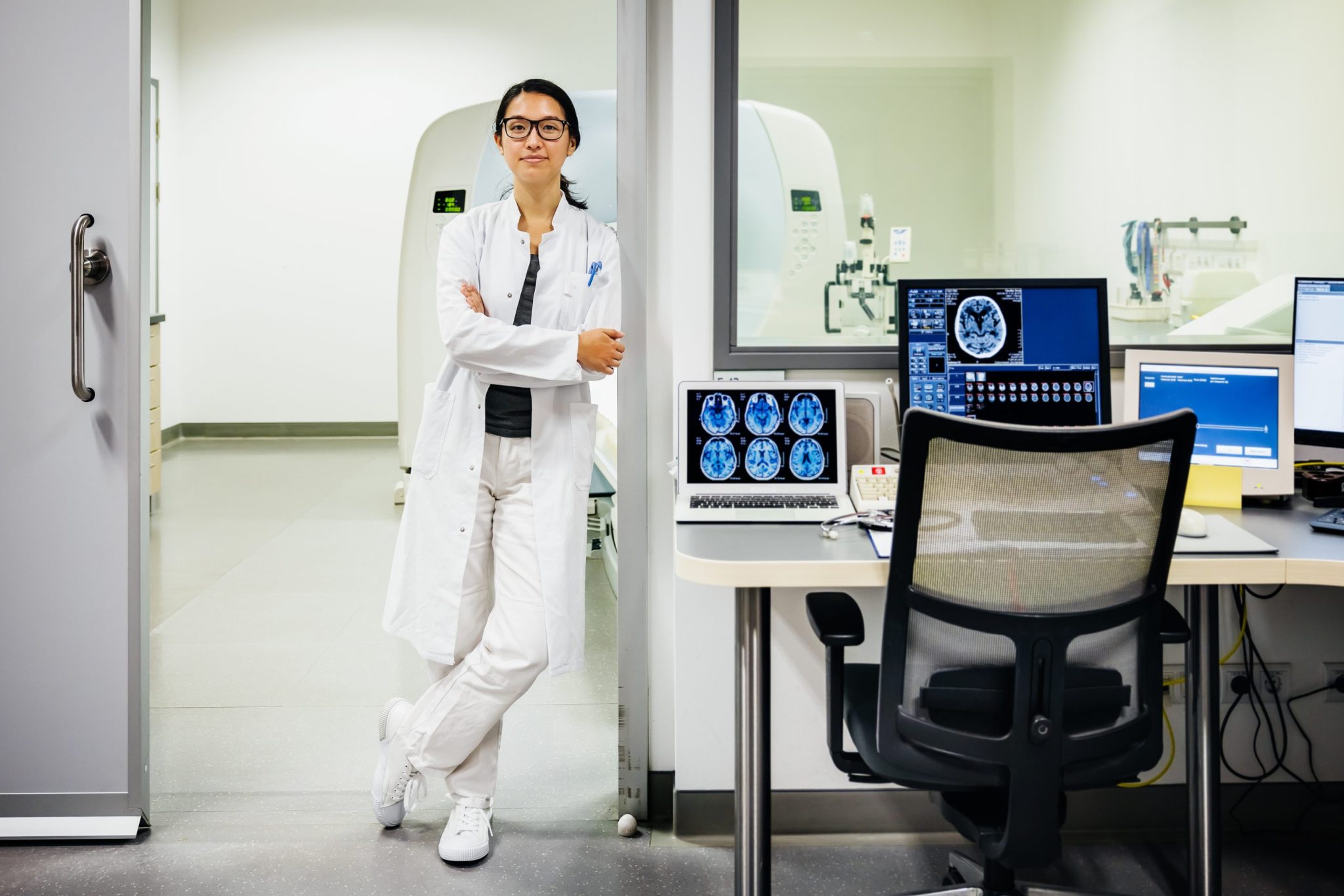
Radiology has not followed one of the best-known predictions about artificial intelligence and jobs. A decade after Geoffrey Hinton warned that AI would make the specialty obsolete, data cited by Fortune show more U.S. radiologists at work, thousands of open roles and rising pay.
Hinton, often called the “Godfather of AI,” said at a 2016 machine learning conference in Toronto that people should stop training radiologists because AI would outperform them within five to 10 years, according to Fortune. The New York Times later reported that Hinton softened that view, saying he had been referring to image analysis and that radiologists would work with AI tools.
Christoph Herpfer, an economist and professor at the University of Virginia’s Darden School of Business who studies physician labor markets, told Fortune that the number of active radiologists in the U.S. has increased by about 10% over the past decade. Herpfer said the field is facing a shortage rather than a wave of displacement.
Broader health care demand has also risen as the U.S. population has aged and more people gained insurance under the Affordable Care Act, according to Fortune. But the radiology figures point to a specific labor squeeze inside a specialty long seen as vulnerable to automation.
RadBoard.io, a recruiting platform focused on radiology, counted 7,469 active radiology job postings in May, Fortune reported. The platform’s analysis found that 1,470 of those openings had been listed for more than 60 days.
Pay has moved up with demand. A Medscape study cited by Fortune put the average radiologist salary at $571,000 in 2025, up 9% from the previous year.
AI is changing the work, not removing the job
Several technology leaders have recently described radiology as a more complicated case than early warnings suggested. Nvidia CEO Jensen Huang said on the Dwarkesh Podcast that predictions of radiology’s demise confuse one task, reading scans, with the full profession, according to Fortune.
Netflix cofounder Reed Hastings made a similar point on the Possible podcast, Fortune reported. Hastings said radiology shows that AI can affect a job without replacing it outright, adding that full replacement had not occurred in the past five years.
Herpfer told Fortune that radiologists do more than interpret images. They consult with other physicians, monitor patients and, in the case of interventional radiologists, perform procedures. If AI reduces time spent on scans and reports, he said, doctors can spend more time on other parts of the work.
Rules and liability questions also limit full automation, according to Fortune. Medicare and Medicaid reimburse radiology studies only when a licensed physician gives the final read, and responsibility for missed diagnoses by AI remains unclear.
AI may also increase the amount of imaging that radiologists must review. The Food and Drug Administration has approved AI-enabled medical devices, and Fortune reported that cheaper and faster imaging has helped lift scan demand. The Journal of the American College of Radiology found radiology case loads rose 25% between 2018 and early 2025, according to Fortune.
Doctors point to workload and patient care
Dr. Jeff Chang, a former emergency radiologist and cofounder of Rad AI, told Fortune that radiologists face rising study volumes, falling reimbursement and burnout. Chang said he spent a decade reading 150 to 200 imaging studies on each night shift before starting his company in 2018.
Rad AI’s tools are designed to help draft the conclusions section of radiology reports and save radiologists nearly an hour per shift, Chang told Fortune. He said the idea that AI could fully replace the profession did not make sense.
Dr. Tonie Reincke, a Texas-based interventional radiologist, told Fortune that AI cannot reproduce the human parts of patient care, including empathy, compassion and nonverbal communication. She also said fears about AI replacing radiologists could deter medical students from a specialty that already requires a long residency and is highly competitive.
Herpfer told Fortune that radiology may offer a broader lesson for other fields. He compared it with accounting after spreadsheet software automated routine calculations, saying many accountants shifted into more complex advisory work rather than disappearing from the labor market.
This story draws on original reporting from Fortune.