
Prediction markets take larger share of World Cup betting
Kalshi and rivals expanded rapidly during the World Cup, pressuring sportsbooks as trading reached an estimated 27% of legal U.S. sports-betting volume.
By Maya Lindqvist · Senior Technology Correspondent
3 min read
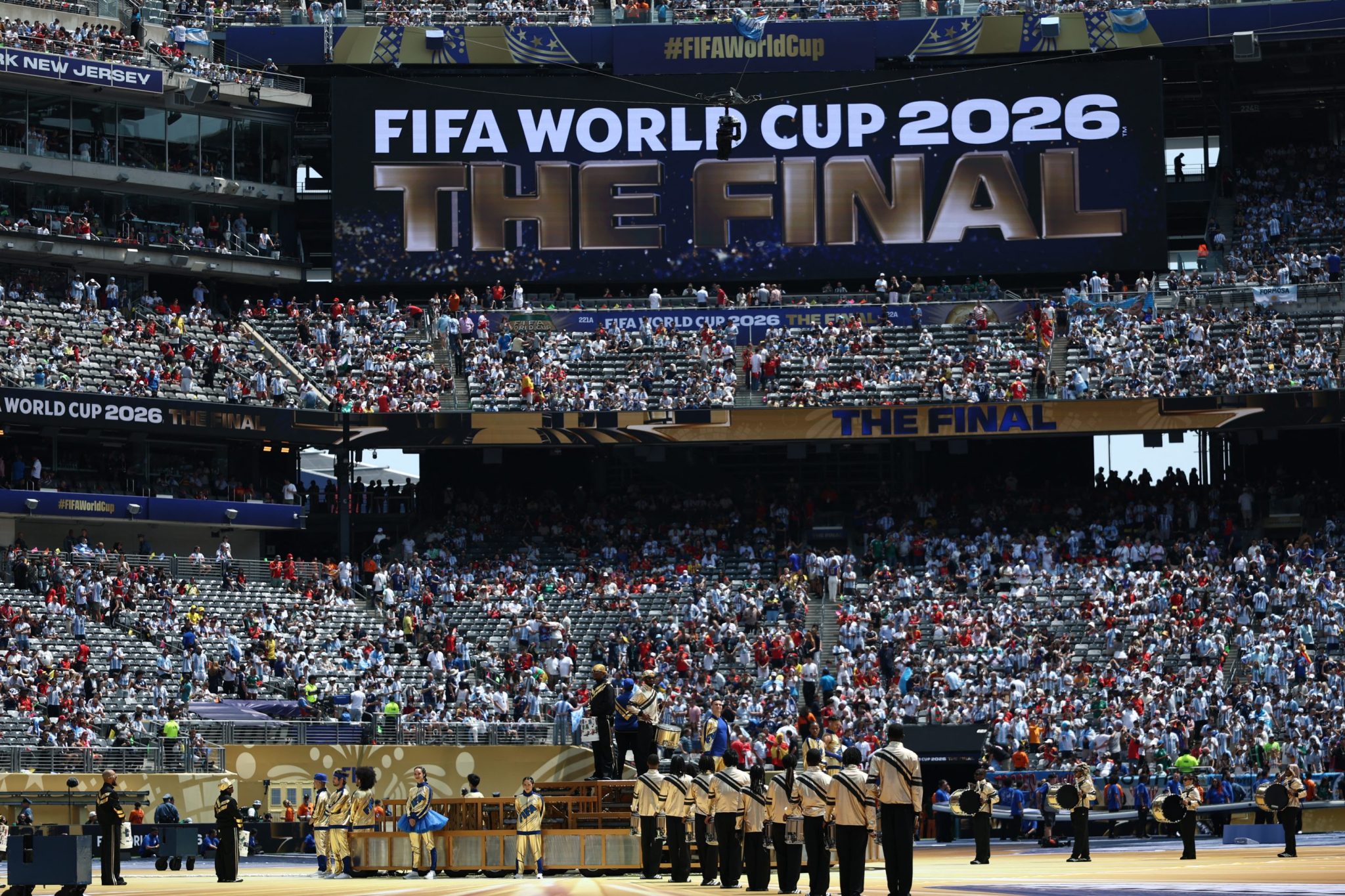
Prediction-market exchanges made a sharp move into sports betting during the World Cup, with trading volumes rising faster than activity at traditional sportsbooks. The shift matters because firms such as Kalshi and Polymarket are now competing for the same customers as DraftKings and FanDuel while operating under a different regulatory model.
H2 Gambling Capital estimated that prediction-market activity reached about 27% of all legal U.S. sports-betting volume during the tournament, based on public data from the first month of play. H2 said that was up from about 9% at the start of the year, though the comparison is not exact because exchanges and sportsbooks measure activity differently and betting companies have not yet reported their latest internal figures.
Kalshi, the largest exchange in the category, repeatedly set trading records during the World Cup, Fortune reported. Its peak volume during the tournament was twice the level it reached a week before play began, when the New York Knicks were in a playoff run, and close to 10 times the levels seen at several points early in the year, according to Fortune.
App analytics firm Apptopia said Kalshi had more daily users on its mobile app during the tournament than either DraftKings or FanDuel, the two biggest U.S. online sports-betting apps. Ian Moore, an analyst at Bernstein, told Fortune the growth has put pressure on traditional sportsbooks to offer similar products and called it a new opening for the industry.
Prediction markets were not permitted to offer sports-game wagers less than two years ago, according to Fortune. Last summer, gambling executives were still treating the sector as a fringe challenge because of unresolved legal and regulatory questions.
The World Cup gave Kalshi and Polymarket a chance to show how oversight by the Commodity Futures Trading Commission has helped them roll out sports-linked contracts while fighting state regulators in court, Fortune reported. The companies also spent heavily on marketing around the tournament, with Kalshi securing a late deal to appear on digital boards by the field during later-stage matches.
Kalshi and Polymarket have argued that they differ from sportsbooks because they do not profit directly from customer losses and also offer markets tied to elections, weather and other economic events. During the World Cup, however, sports contracts drove much of the sector’s growth, according to Fortune.
One fast-growing product was the combo, Fortune reported, a prediction-market structure similar to sportsbook parlays that lets users bet on several outcomes occurring together. Federal regulators have also allowed event exchanges to serve customers in states where sports betting is not legal and to accept users over 18, while many gambling products are limited to people 21 and older.
DraftKings and FanDuel have responded by launching their own prediction-market products, though Apptopia data showed FanDuel’s separate prediction-market app had gained limited traction. DraftKings declined to comment to Fortune.
A FanDuel spokesperson told Fortune the company could not discuss broader trends ahead of financial results, but said the World Cup generated record customer interest and that the company’s 10 biggest soccer games by handle all came during this tournament.
Shares of DraftKings and Flutter Entertainment, FanDuel’s parent company, rose before the World Cup on expectations of strong betting demand, then fell as the tournament continued. Fortune reported that both stocks were down more than 25% for the year.
Ed Birkin, managing director at H2 Gambling Capital, told Fortune that prediction markets have grown faster but may be reaching a different and possibly less profitable audience than sportsbooks. He said the exchanges are “eating around the edges” and called them a headwind for sportsbooks.
Polymarket also expanded during the World Cup on its international exchange and new U.S. platform, according to user-compiled Dune Analytics data cited by Fortune. Kalshi remained ahead, with more than twice Polymarket’s trading volume during the tournament, while a newer platform backed by Robinhood Markets and Susquehanna International Group also drew significant trading.
This story draws on original reporting from Fortune.