
Oil markets plan for less reliance on Hormuz as alternate route stalls
New pipelines and overland routes could shield much of Gulf oil exports within years, even as ships avoid a U.S.-backed passage through the Strait.
By Maya Lindqvist · Senior Technology Correspondent
3 min read
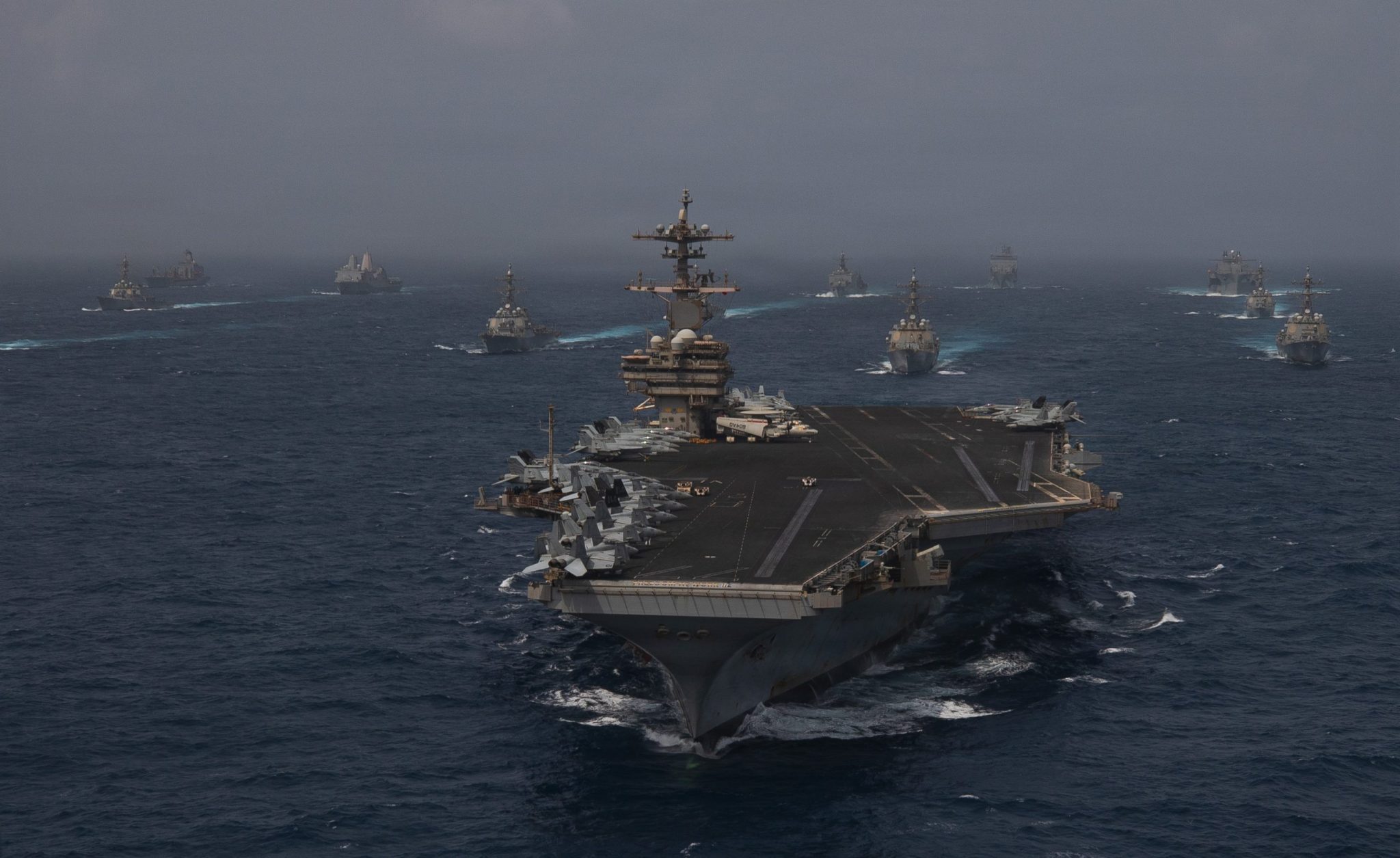
Commercial shipping is still avoiding a U.S.-backed route through the Strait of Hormuz, leaving Iran’s preferred channel as the main path for vessels moving through the contested waterway. At the same time, Fortune reported that oil markets are building alternatives that could reduce reliance on Hormuz within the next few years.
The U.S. military has not persuaded merchant ships to use an alternate corridor after more than a week of daily bombardment, Fortune reported. Iranian drones and missiles have kept commercial operators away despite U.S. radio messages saying American forces were ready to protect lawful commerce and that the southern route remained open.
MarineTraffic data cited by Fortune showed no detected crossings on Friday through the U.S.-backed route and no recorded “shadow fleet” movements. Iran’s channel recorded seven transits that day.
The Wall Street Journal reviewed a marine-radio recording in which a seafarer responded to the U.S. message with, “F— off,” according to Fortune. India has barred Indian crew members from taking part in Strait of Hormuz transits until further notice after an Iranian attack killed a sailor, Fortune reported. The chair of the Japan Foreign Trade Council also said commercial ships should stay out of the strait while fighting continues.
Before the U.S. and Israel began the war with Iran in late February, about 20 million barrels of oil a day moved through Hormuz, according to Fortune. Iran’s closure of the strait caused what Fortune described as the largest oil shock on record, but buyers and producers have used emergency measures to reduce the damage.
Those measures include drawing heavily on oil stockpiles and sending some vessels “dark” to pass through the strait without detection, Fortune reported. Producers have also shifted supplies to land routes, including Saudi Arabia’s East-West pipeline and the United Arab Emirates’ Habshan-Fujairah pipeline, while both countries have also used rail corridors.
Bloomberg reported that thousands of trucks are carrying Iraqi crude to Syrian ports on the Mediterranean. Fortune said Syria now handles more than a quarter of Middle East volumes after shipping none only months ago.
Kuwait is discussing ways to move its oil out of the Persian Gulf through expanded Saudi and UAE pipeline systems, according to Fortune. More projects are also being advanced to bypass Hormuz.
Kpler said the UAE has sped up work on its West-East pipeline, which is 50% complete and could start operating early next year, Fortune reported. The UAE is also adding capacity to the Habshan-Fujairah line, while Saudi Arabia is expanding the East-West pipeline.
A consortium that includes Chevron is considering a rebuild of the Kirkuk-to-Baniyas pipeline linking northern Iraq to Syria’s Mediterranean coast, Fortune reported. The line was damaged during the Iraq war two decades ago. Turkey has proposed extending the Kirkuk-Ceyhan pipeline south to Basra, which would create another route to the Mediterranean for Iraqi oil.
Goldman Sachs analysts estimated last week that new Middle East pipeline capacity could cover more than 45% of pre-war Gulf exports by the end of next year, according to Fortune. Goldman said that share could exceed 60% by the end of 2028, or reach 75% in an accelerated scenario.
Goldman put the median construction time for regional pipeline projects at 2.5 years and said building usually speeds up when supply disruptions force producers to find new routes, Fortune reported.
This story draws on original reporting from Fortune.