
Nvidia chip boom bust fears dismissed by Jensen Huang
Jensen Huang told Axios the AI chip cycle is still early, even as Fortune reports investors are questioning data-center spending.
By Maya Lindqvist · Senior Technology Correspondent
3 min read
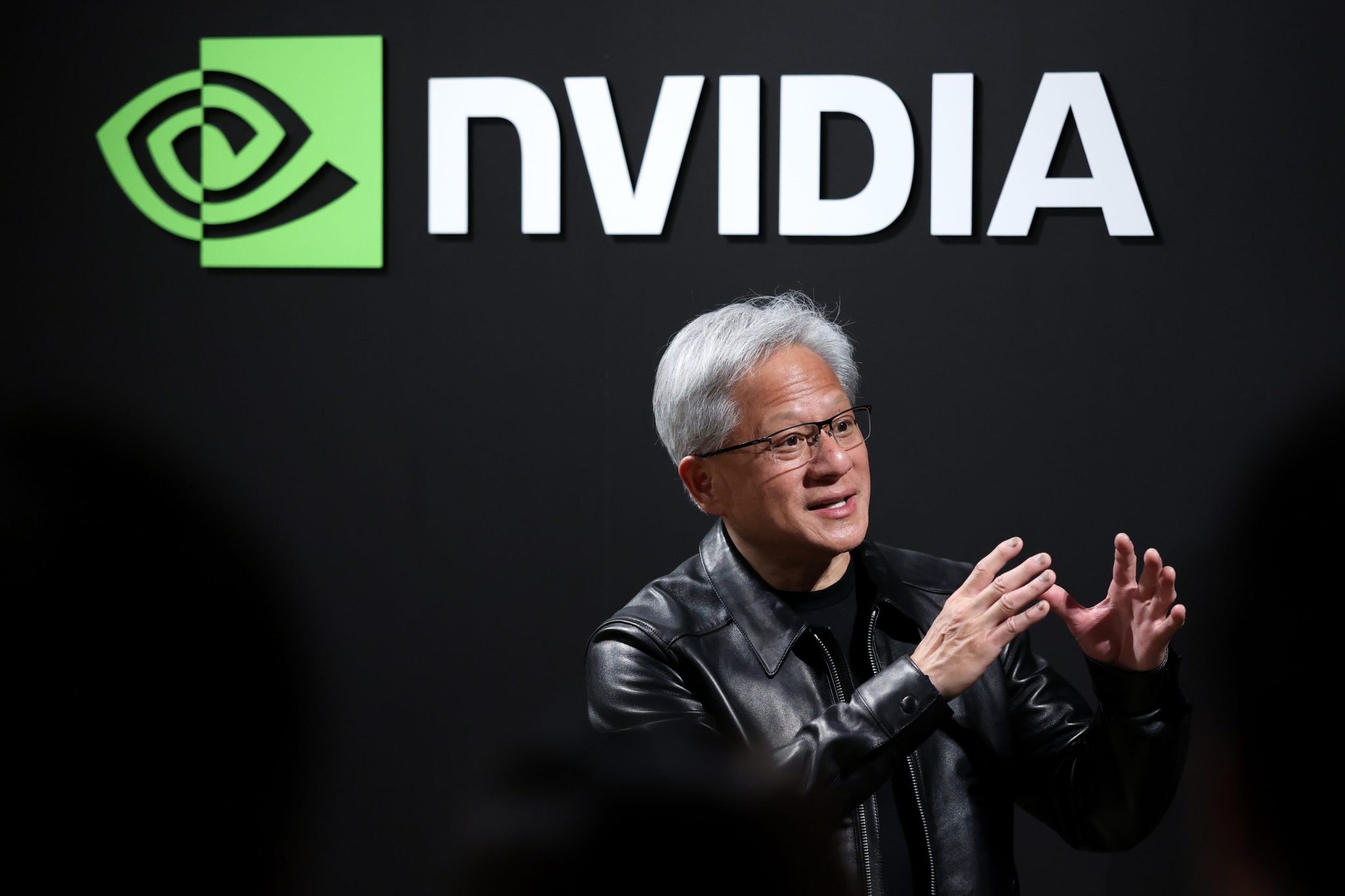
Nvidia CEO Jensen Huang said the Nvidia chip boom is not close to a bust, arguing in an Axios interview that AI demand reflects a shift in computing rather than a short-lived cycle. His comments matter because Fortune reports chip stocks have fallen in recent weeks as investors question whether the heavy spending behind the AI buildout can last.
Asked by Axios cofounder Mike Allen whether the semiconductor industry is heading for another downturn, Huang answered, “no, not for a while.” When Allen asked whether “this time is different,” Huang agreed and said the current cycle is not seasonal demand but “industrially driven.”
Huang told Axios that the basic technology of computing is changing and that the world needs a new layer of AI infrastructure. He estimated that the industry will need to become five to 10 times larger over the next decade.
Will the Nvidia chip boom go bust soon?
Huang told Axios that a bust will come someday, but he does not expect it soon because the AI infrastructure buildout remains in an early phase. He said limits on chips, land, power and construction workers are slowing growth in a way that gives suppliers more time before supply catches up with demand.
“We basically are constrained in every single direction, in every single way,” Huang said in the interview. He argued that those constraints help hold back overbuilding and extend the period available to build more infrastructure.
Fortune reported that the semiconductor industry has a long history of boom-and-bust cycles. It also noted that chip stocks climbed during the AI surge before selling off recently, even as major chipmakers have posted strong earnings and forecasts and demand has kept supplies tight.
Huang’s use of the phrase “this time is different” is notable because Fortune described it as a warning sign often associated with past market bubbles, including the dot-com era. The phrase has often been used to argue that fast-rising markets can keep rising despite traditional concerns about valuation or demand.
Why investors are watching AI spending
Fortune reported that large cloud and technology companies have been spending hundreds of billions of dollars a year on AI infrastructure. Those capital expenditures have been used to buy data-center capacity and the chips needed to train and run AI systems.
According to Fortune, those companies previously relied on strong cash generation to fund the spending, but that cash is no longer enough in some cases. Fortune reported that Alphabet recorded negative cash flow and that tech giants are issuing more debt.
Allen asked Huang whether he was concerned that Nvidia customers are using the bond market to pay for Nvidia chips. Huang said he was not, again pointing to a broader shift in computing and saying the future will require many more computers.
Huang also told Axios that AI is already profitable for companies such as Anthropic, especially as customers find uses for AI agents. He said the technology has reached a point where more systems must be built because they are generating profits and improving productivity.
This story draws on original reporting from Fortune.