
Lawmakers seek nursing loan carveout before federal caps begin
New federal borrowing limits start July 1, but lawmakers are pushing to protect advanced nursing students from a $100,000 graduate loan cap.
By Hana Yoshida · Markets Reporter
3 min read
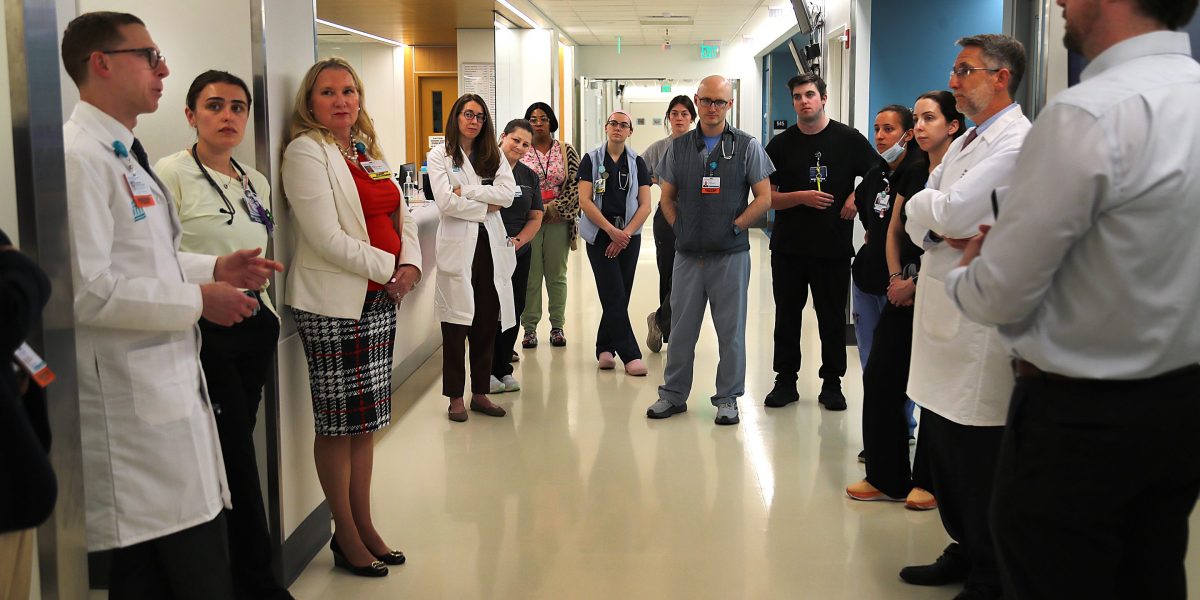
Federal borrowing limits for graduate students are set to take effect July 1, changing how many students can pay for advanced degrees. Lawmakers in both parties are trying to raise the limit for nursing programs, citing a shortage of nurses and nursing faculty.
President Donald Trump signed the One Big Beautiful Bill Act on July 4, 2025. Under the law, federal loans will be capped at $100,000 for graduate degrees and $200,000 for professional degrees, and the Grad PLUS loan program that previously allowed uncapped borrowing for advanced degrees was eliminated.
The Republican-led House Appropriations Committee last week advanced an amendment that would increase borrowing limits for master’s and doctoral nursing programs, according to the committee. The measure passed the committee 34-28 as part of a broader budget bill.
The committee said the bill also includes more funding for nurse training and biomedical research while cutting programs for refugees and unaccompanied minors. House Appropriations Committee Chairman Tom Cole, R-Okla., said in a committee statement that the legislation invests in health, skills and workforce preparation.
Rep. Robert Aderholt, R-Ala., who chairs the Labor, Health and Human Services, Education, and Related Agencies Subcommittee, said in the same statement that the bill follows Trump administration priorities while steering money toward biomedical research, biodefense infrastructure and rural health.
Push to reclassify nursing degrees
Separate legislation introduced in May by Sens. Jeff Merkley, D-Ore., and Roger Wicker, R-Miss., would treat advanced nursing degrees as professional degrees. That would move eligible nursing students from the $100,000 graduate cap to the higher $200,000 professional cap.
The One Big Beautiful Bill Act defined professional degrees to include fields such as medicine, dentistry and law. Nursing advocates and lawmakers have argued that advanced nursing programs should be included because many nursing roles require graduate training.
The Merkley-Wicker bill would apply to students preparing for positions including nurse practitioner, clinical nurse specialist, certified nurse-midwife and certified registered nurse anesthetist, according to the bill’s description.
In December, five Republican House members sponsored a separate proposal that would broaden the professional-degree category to include nursing and other health care degrees, as well as MBA programs and master’s degrees in education and theology. In March, more than 150 members of Congress from both parties signed a letter urging the Education Department to add nursing to its professional-degree list.
Lawmakers and nursing groups have warned that lower federal limits could push students into private loans, which they say often carry higher interest rates and can leave borrowers with more debt over time.
Shortage concerns
The American Association of Colleges of Nursing says the country’s nursing shortage is tied in part to a lack of nursing faculty. Nurse educators generally need at least a master’s degree, and advocates say the new lifetime borrowing limits could make that credential harder to finance.
The association reports a 7.2% national vacancy rate for nursing faculty. The federal Health Resources and Services Administration projects that the registered nurse shortage will continue until 2038 and that the country will have only 70% of the licensed practical nurses it needs by then.
The Education Department has described the new borrowing limits as “commonsense limits” and has said they could pressure colleges to lower costs. The department did not respond to Fortune’s request for comment.
The Education Data Initiative says the average federal student loan borrower owes $39,075. Any nursing loan change in the House budget bill would not arrive before July 1; because it is part of the federal budget process, the earliest it could take effect is Oct. 1 if enacted.
This story draws on original reporting from Fortune.