
Novo Nordisk sues Eli Lilly over GLP-1 drug ads
Novo alleges Lilly’s Zepbound and Mounjaro ads use outdated comparisons that mislead patients about rival GLP-1 drugs.
By Maya Lindqvist · Senior Technology Correspondent
3 min read
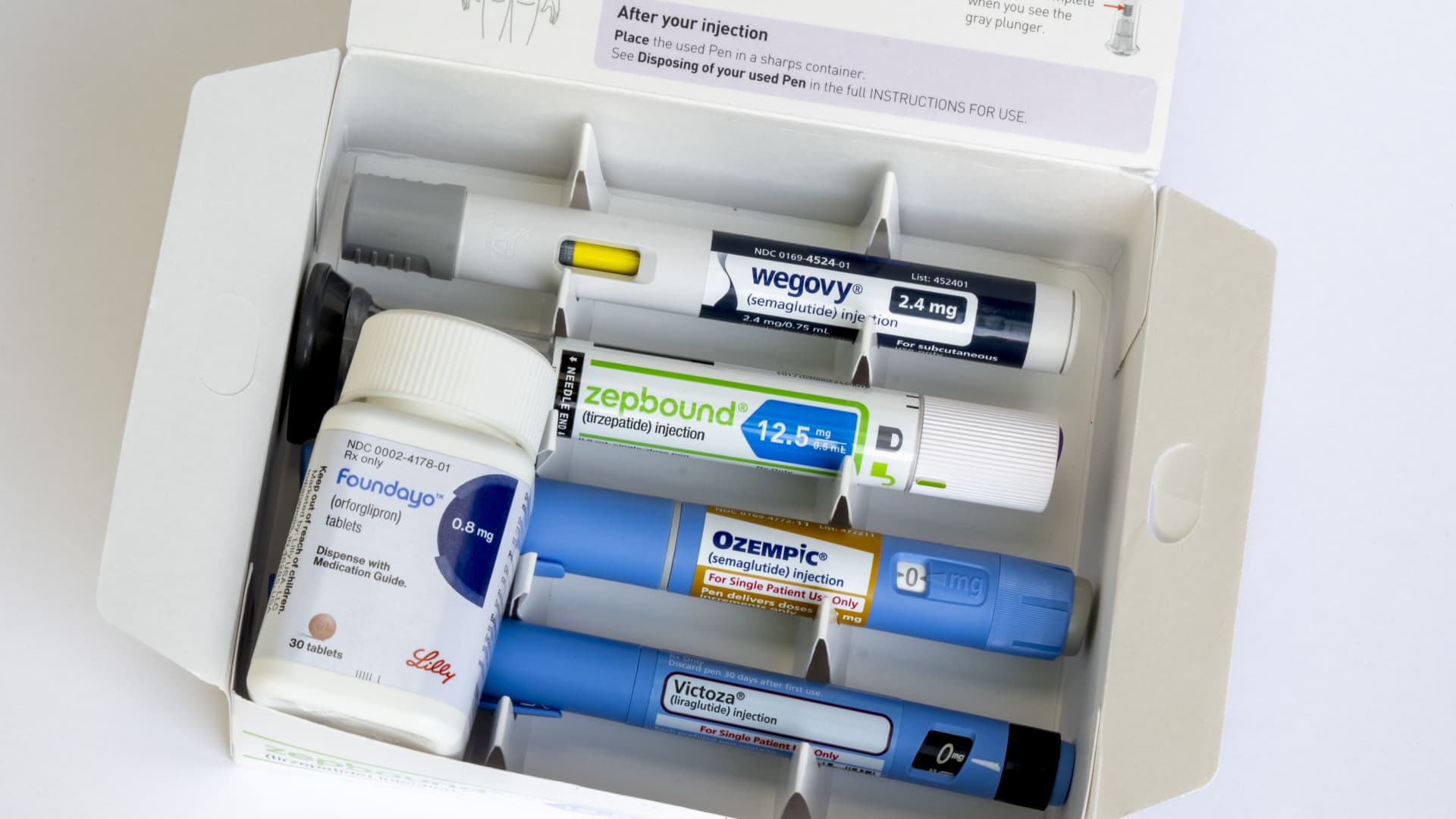
Novo Nordisk sued Eli Lilly on Tuesday, accusing its rival of using misleading advertising to promote obesity and diabetes medicines in the fast-growing GLP-1 market. The case matters because both companies are fighting for patients and prescribers in a drug category that includes Novo’s Wegovy and Ozempic and Lilly’s Zepbound and Mounjaro.
In a complaint filed in the U.S. District Court for the District of New Jersey, Novo claims Lilly’s national television and social media campaigns compare Lilly’s highest available doses with lower doses of Novo medicines. Novo says those comparisons leave out newer data on higher-dose versions of Novo drugs.
Novo asked the court to permanently bar Lilly from running the challenged ads and to order corrective advertising, according to the lawsuit. Novo is also seeking financial damages, though the amount was not specified.
John Kuckelman, Novo’s group general counsel, told CNBC that Novo sent Lilly a cease-and-desist request in April and that Lilly refused to remove or correct certain ads. CNBC reported that Lilly did not immediately respond to a request for comment.
Dispute centers on dose comparisons
Novo’s lawsuit says Lilly’s ads rely on older clinical trials that compared the highest doses of Lilly treatments with the 1.7-milligram and 2.4-milligram doses of Wegovy. Novo says those ads do not adequately account for a 7.2-milligram version of Wegovy, which Novo says was approved more recently and reached the market in March.
One TV spot cited in the complaint compares Zepbound and Wegovy side by side, saying patients on Zepbound lost 50 pounds on average while patients on the 2.4-milligram Wegovy dose lost 33 pounds. Novo says a more recent study found that patients taking the 7.2-milligram Wegovy dose lost 47 pounds on average.
Novo argues in the lawsuit that Lilly’s reference to the higher Wegovy dose appears only in a small footnote that Novo describes as unclear and inadequate. Novo also says no head-to-head trial has compared the highest available doses of Wegovy and Zepbound, which it says gives Lilly no basis to claim superior effectiveness in the ads.
Kuckelman told CNBC that statements about Lilly’s advantage may have been accurate before the 7.2-milligram Wegovy dose was available, but Novo no longer views them as accurate. He said Novo believes Lilly has a legal duty and a responsibility to patients to provide accurate information.
Novo cites false advertising claims
Novo says it is bringing federal and state unfair competition and false advertising claims, including under the Lanham Act. The complaint says patients may rely on drug advertising to understand GLP-1 treatment options, while health care professionals have access to a broader body of scientific evidence.
The lawsuit says the Zepbound TV commercial has generated more than 700 million impressions since it began airing around the end of April. Novo argues that reach shows the potential competitive harm from the campaign.
Novo also alleges that Lilly uses a similar approach in ads comparing Mounjaro with Ozempic. According to the complaint, Lilly’s Mounjaro advertising omits newer information on a higher dose of Novo’s diabetes drug that was approved more than four years ago.
The dispute comes as Novo seeks to compete more directly with Lilly through a new obesity pill, price cuts and higher-dose Wegovy, according to CNBC. CNBC reported that Lilly’s drugs have become preferred GLP-1 treatments for many providers and patients because of their efficacy, while Novo’s high-dose Wegovy is intended to answer that competition.
This story draws on original reporting from CNBC.