
Network School Kazakhstan deal follows Malaysia shutdown
Balaji Srinivasan signed a Kazakhstan tech-campus MOU after Malaysian officials revoked Network School’s licence in Johor.
By Maya Lindqvist · Senior Technology Correspondent
3 min read
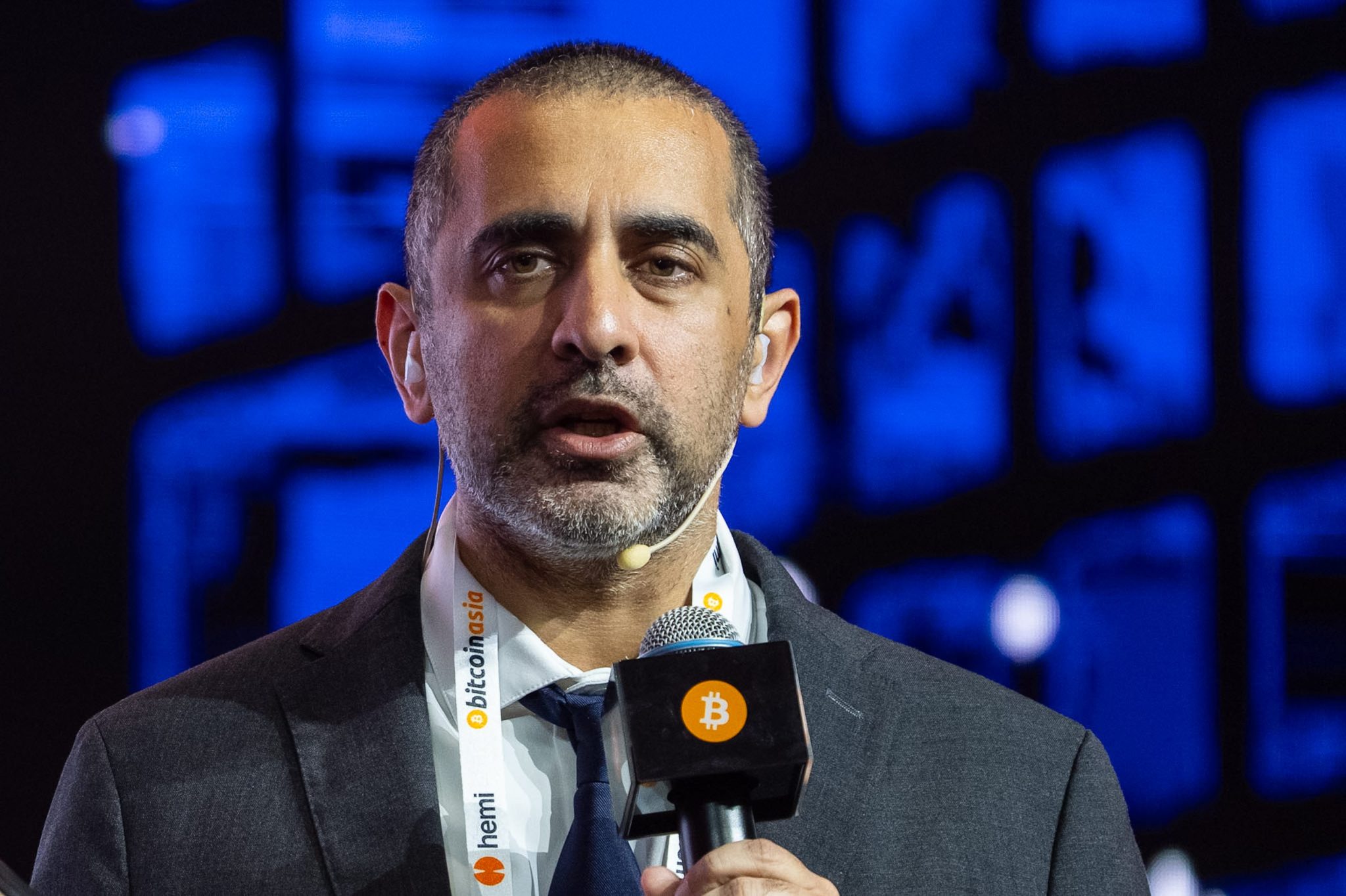
Balaji Srinivasan’s Network School Kazakhstan plan is moving ahead days after Malaysian officials shut down the project’s campus in Johor. Srinivasan said on X that he signed a memorandum of understanding with authorities in Kazakhstan on July 22, describing the proposed campus as a base for global technology talent.
The agreement followed a July 21 decision by the Iskandar Puteri City Council to revoke Network School’s business licence in Forest City, according to Johor Chief Minister Onn Hafiz Ghazi and Reuters. Onn said the state government supported the council’s order for NS0 Malaysia Sdn. Bhd., the company behind Network School, to stop activities effective July 22.
Why did Malaysia shut down Network School?
Malaysian authorities began reviewing Network School after online allegations that Israeli nationals had entered the country for the programme using second-country passports, according to Free Malaysia Today. Malaysia does not recognize Israel and generally bars people travelling on Israeli passports.
The Star reported that Malaysia’s immigration investigation found no evidence of travel-document misuse. The local council instead cited licensing and premises-use issues, and The Straits Times reported that the council also revoked the school’s advertising licence after finding that activities at the site did not match its office-use approval.
The dispute also reached diplomatic channels. Bernama, Malaysia’s state news agency, reported that Foreign Minister Mohamad Hasan said one dual U.S.-Israeli citizen was ordered to leave Malaysia; the U.S. State Department then summoned Malaysia’s ambassador over the country’s position on Israel.
What is Network School?
Network School is a co-living and education programme for technology workers, founders and content creators. Srinivasan launched it in Malaysia in 2024 as a 90-day pilot for about 100 participants, then expanded it into a year-long programme in early 2025.
The programme offered accommodation, meals, gym access, workshops and hackathons for $1,500 a month, according to descriptions cited by The Straits Times. Participants told the Singaporean newspaper that the Malaysia site cost less than comparable options in Silicon Valley and the United Arab Emirates.
Srinivasan had promoted the Johor site’s closeness to Singapore, writing on X in 2024 that participants could work during the week and travel into Singapore on weekends. In July, a social media advertisement called the location a “man-made island near Singapore,” prompting online users to identify it as Forest City in Johor.
Why Forest City was part of the story
Network School operated from Forest City, a partly built residential megaproject launched in 2016 by Chinese developer Country Garden. The project was planned for 700,000 residents on the Malaysian side of the Strait of Johor, near Singapore.
The development has struggled. Country Garden committed nearly $100 billion to the project, but only 15% has been built and about 1% is occupied, according to the figures reported for the development. Johor has since included Forest City in the Johor-Singapore Special Economic Zone and designated it a special financial zone.
What Kazakhstan is offering
Kazakhstan’s Ministry of Artificial Intelligence and Digital Development said on Instagram that the five-year MOU with Network School would support joint projects and help build Kazakhstan as a regional centre for artificial intelligence and innovation. The ministry said the campus is meant to attract specialists, technology companies and investment.
The agreement also covers international events, hackathons and a possible Network State conference in Kazakhstan this year. Srinivasan wrote on X that the new campus would include expedited visas, streamlined redomiciliation and recruitment of talent.
Kazakhstan has been courting foreign technology investors. President Kassym-Jomart Tokayev said on July 10 that the country wanted capital leaders to use Kazakhstan as a secure launch pad, and Euronews reported that the country is planning a one-gigawatt data centre campus with partners including Nvidia.
This story draws on original reporting from Fortune.