
NATO intern arrested in Belgium on espionage suspicion
Belgian prosecutors say a Canadian intern at NATO’s SHAPE command center is suspected of spying for a foreign state.
By Maya Lindqvist · Senior Technology Correspondent
3 min read
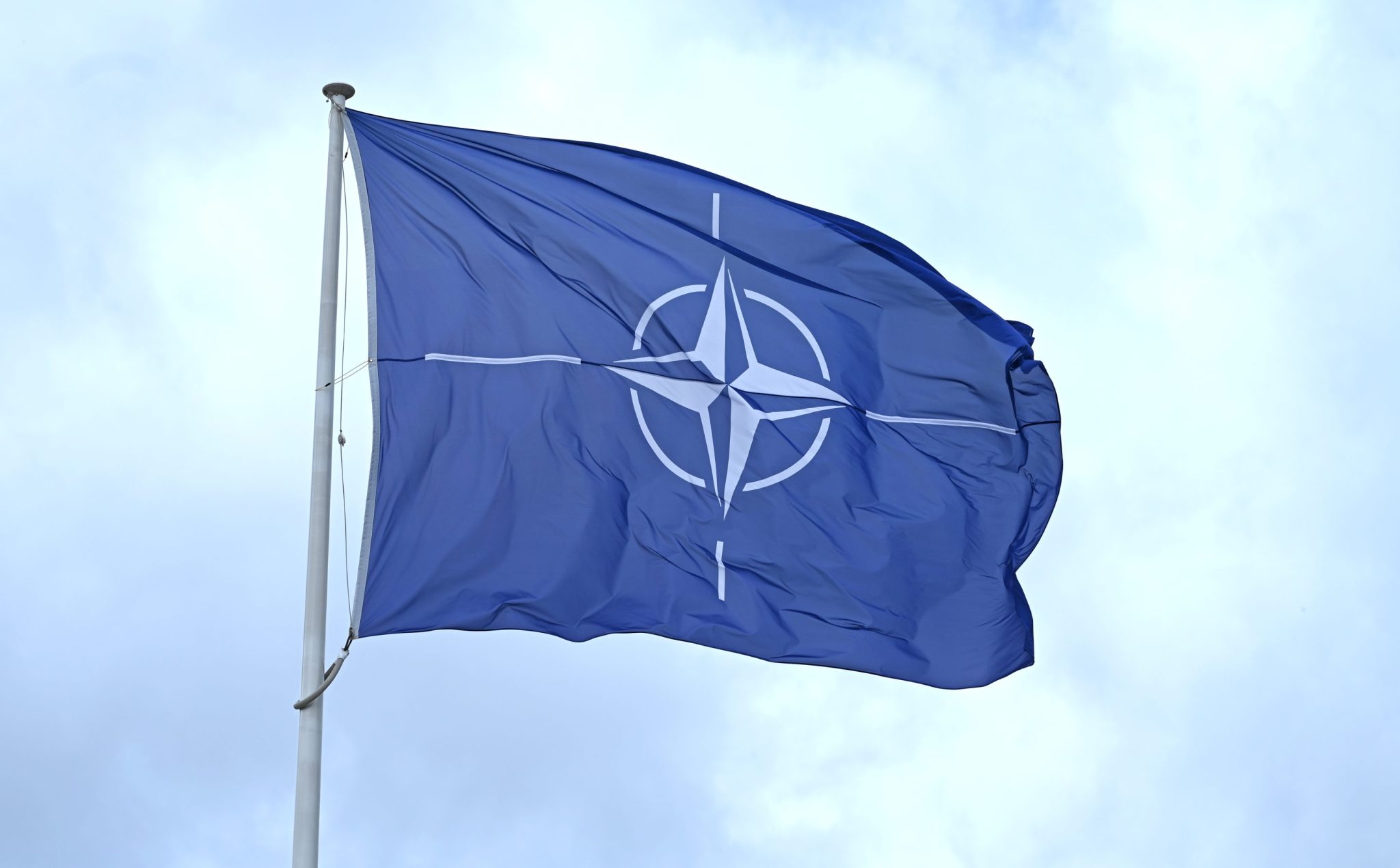
A NATO intern arrested in Belgium is under investigation on suspicion of espionage while working at the alliance’s military command headquarters, Belgian authorities said Saturday. The case places a suspected security breach inside SHAPE, the operational hub where NATO military officials plan and direct joint operations.
Belgium’s Federal Prosecutor’s Office said the suspect is a Canadian citizen of Chinese origin. Prosecutors said she was detained Friday after investigators searched both her residence and her workplace at NATO’s command center the previous day.
Why was the NATO intern arrested?
Belgian prosecutors said the woman is suspected of spying for an unidentified foreign state and of membership in a criminal organization. The office said the investigation began after NATO security services alerted Belgium’s military intelligence service.
Authorities did not identify the foreign state they believe may be linked to the alleged spying. They also did not release the suspect’s name or provide details about what information investigators believe may have been targeted.
SHAPE, formally the Supreme Headquarters Allied Powers Europe, is in Mons, a city in southern Belgium near the French border. It serves as NATO’s strategic military headquarters, separate from the alliance’s political headquarters in Brussels, where member-state ambassadors meet on issues such as defense spending, cyber threats and drone incursions.
The command center also hosts NATO’s Cyber Security Centre. That location makes the allegations sensitive for the 32-member alliance, although SHAPE said its work has continued.
Col. Martin L. O’Donnell, a SHAPE spokesperson, said there was no indication that NATO or SHAPE operational readiness, command-and-control systems or ongoing work had been harmed. He said SHAPE was continuing its responsibilities without interruption.
What is the wider NATO context?
Canada and Belgium are both NATO members. The alliance described China in 2021 as a security challenge, alongside active threats linked to Russia and the Middle East.
NATO leaders have accused China of seeking to weaken the global order, expanding its military without transparency and using disinformation campaigns that destabilize other countries. They have said Beijing’s goals and assertive conduct create systemic challenges for the rules-based international order and for areas tied to alliance security.
The Chinese government rejected that NATO assessment and said its military expansion was defensive.
The arrest comes as NATO faces pressure from President Donald Trump, who has criticized allies and reduced the U.S. security role in Europe. Trump has urged NATO governments to spend more on defense and to join the conflict in Iran, while also threatening to seize Greenland by force from Denmark, a NATO member, alarming European governments and the alliance.
Last year, after pressure from Trump, all 32 NATO countries agreed to invest 5% of gross domestic product in defense-related spending. The commitment included 3.5% for defense equipment such as jets and missiles and 1.5% for infrastructure, including roads, bridges, ports and cybersecurity.
This story draws on original reporting from Fortune.