
Moonshot’s Kimi K3 raises pressure on US AI rivals
China’s Moonshot has released a new AI model that evaluators say rivals top US systems while costing less to use.
By Daniel Okafor · Business Editor
3 min read
China’s Moonshot has released Kimi K3, a new artificial intelligence model that AI evaluators say is closing in on leading products from Anthropic and OpenAI. The release matters because Chinese labs are showing they can compete with top US systems while offering open-source technology at lower prices.
Anastasios Angelopoulos, co-founder and CEO of the AI evaluation platform Arena, called Kimi K3 “the single biggest release of the year” and said Chinese open-source models are beginning to move ahead of closed US models. Arena ranked Kimi K3 first in what it calls “front-end coding capability,” a benchmark for large language model performance in coding tasks.
Angelopoulos said on social media that more test results were still coming in and were likely to keep the model near the front of the field. Fortune reported that the Beijing-based startup is led by Yang Zhilin, a Carnegie Mellon University Ph.D. graduate known among former colleagues for his interest in bands including Pink Floyd.
Release lands as China promotes AI ambitions
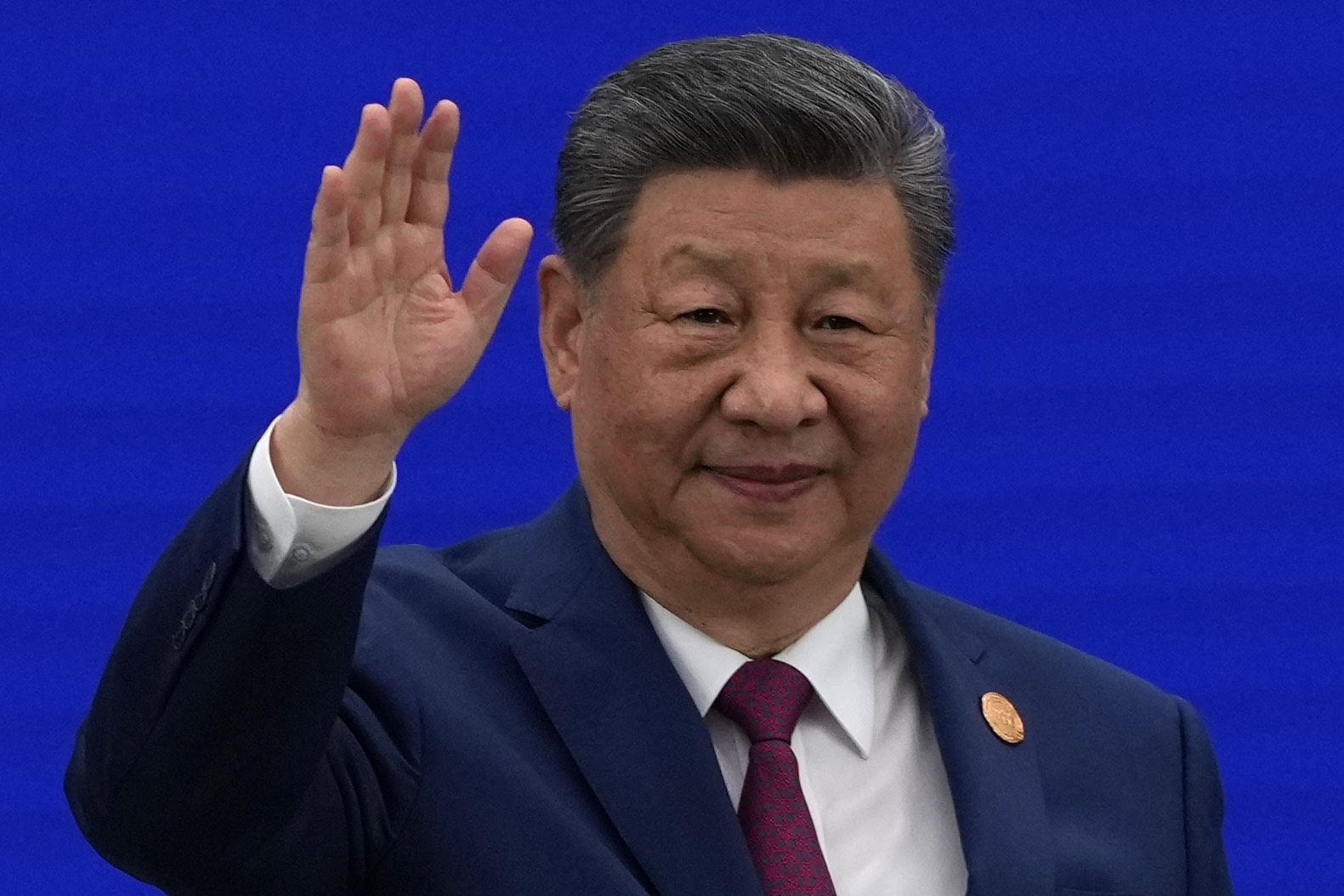
Kimi K3 was unveiled shortly before Chinese President Xi Jinping opened the annual World Artificial Intelligence Conference in Shanghai on Friday. Xi used the event to argue that AI development should involve international cooperation rather than dominance by one country.
US-led export controls have limited China’s access to some advanced technology, including high-end chips. Those restrictions have pushed Chinese companies to build more domestic AI capability and have sharpened the technology contest between Washington and Beijing.
Huawei also used the Shanghai conference, which runs until Monday, to show an AI computing system called the Atlas 950 SuperPoD. Fortune reported that the display signaled China’s effort to rely more on homegrown hardware despite limits on imports from chipmakers such as Nvidia.
Moonshot has not disclosed what hardware it used to train or build Kimi K3. The company is a Huawei partner, according to Fortune.
Lower pricing, familiar questions
Bank of America research analysts said Friday that Kimi K3 is the most expensive Chinese AI model so far, but still costs about half as much to use as OpenAI’s high-performing GPT-5.6 Sol model. The pricing could add pressure on companies such as OpenAI and Anthropic if customers see comparable performance at lower cost.
The launch follows last month’s release of GLM-5.2 from Zhipu, also known as Z.ai. Fortune reported that developers worldwide are already using that model and say it can perform nearly as well as top US models at a lower price.
Tech analyst Patrick Moorhead said on social media that the response to Kimi K3 resembled the market reaction to DeepSeek’s early 2025 model release. He called the reaction an overreach, while saying it could help parts of the AI industry and create revenue problems for Anthropic and OpenAI.
US politicians and major AI companies, including Anthropic and OpenAI, have accused Chinese AI developers of using “distillation” to copy capabilities from US models. Beijing has rejected those accusations as groundless.
Anthropic said in February that DeepSeek, Moonshot and MiniMax had tried to extract Claude’s capabilities through distillation, a method that trains a smaller model on outputs from a stronger one. Anthropic said the technique can be legitimate, but becomes a problem when rivals use it to gain advanced capabilities more cheaply and quickly than developing them independently.
Technology sharing has also moved in the other direction. Fortune reported that Anysphere, the San Francisco company behind the coding tool Cursor, has acknowledged that one of its leading products was based on Moonshot’s K2.5 model. Elon Musk’s SpaceX plans to close a $60 billion deal to buy Cursor later this year, according to Fortune.
Supporters of open-source AI say releasing key model components lets developers inspect, adapt and improve the technology. Critics warn that making powerful models broadly available can create safety and security risks.
This story draws on original reporting from Fortune.