
Belgium approves import ban on goods from Israeli settlements
Belgium joins several European states imposing national trade curbs as EU members remain split over settlement goods.
By Sofia Marchetti · World Affairs Correspondent
3 min read
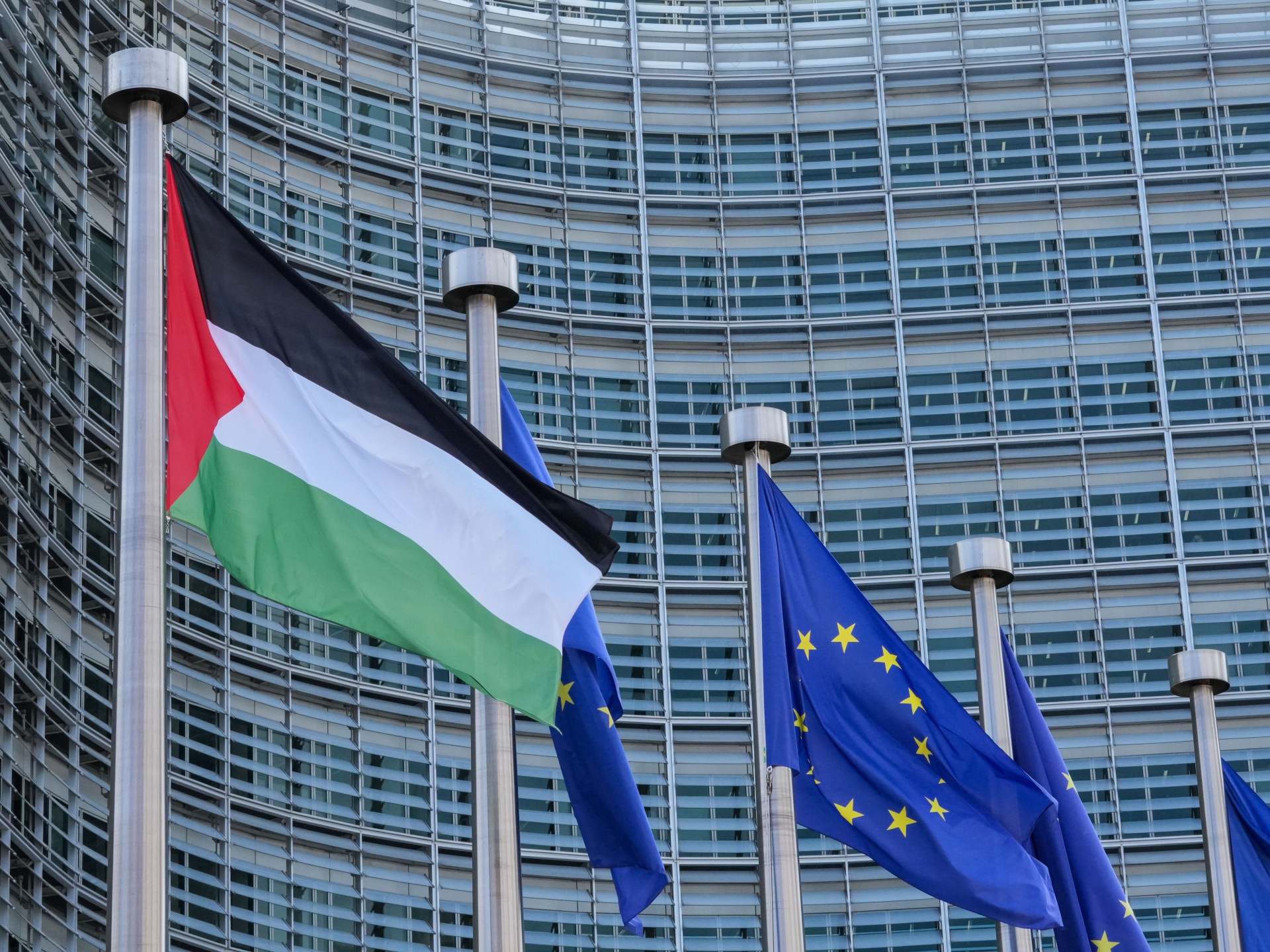
Belgium’s federal government has approved a ban on imports of goods made in Israeli settlements in the occupied Palestinian territories, the Belgian News Agency Belga reported. The decision matters because the European Union has yet to agree on a bloc-wide approach, leaving member states to act on their own.
Belga said the cabinet approved the measure at its final meeting before the summer recess. According to Al Jazeera, the move carries out a pledge Belgium made last year in response to the scale of Israel’s bombardment of Gaza and the number of people killed there.
Belgian Foreign Minister Maxime Prevot had pushed EU counterparts this week in Brussels to support an EU-wide import ban, Al Jazeera reported. Prevot accused the European Commission of failing to offer ministers a serious plan for action.
The Belgian decision comes as evidence cited by campaigners and legal researchers has added pressure for tighter controls on settlement trade. The Global Echo Litigation Center said in a June investigation that it reviewed more than 30,000 export documents covering thousands of Israeli agricultural shipments to Europe.
Global Echo said about one in six of the shipments it examined included produce grown in settlements in the occupied West Bank or the Golan Heights. For shipments headed to EU countries, the figure rose to nearly one in five, according to the center.
The group said exporters often hid where the goods were grown. Its investigation described produce marked as Israeli, mixed with goods from inside Israel or shipped under addresses that did not match the place of cultivation.
The issue has divided the EU’s 27 member states. Al Jazeera reported that the EU is Israel’s largest trading partner, buying close to 30 percent of Israeli exports and accounting for nearly one-third of Israel’s total goods trade, worth 43 billion euros, or $49 billion, last year.
Other European measures
Belgium is now part of a small group of European countries that have moved without waiting for EU-wide rules. Al Jazeera reported that Spain put a ban into law last September, the Netherlands agreed to one in May and Slovenia adopted a similar measure earlier this year.
Slovenia’s position toward Israel has since changed after the election of a more pro-Israel government, according to Al Jazeera. Ireland’s parliament approved its own prohibition on July 15, days before Belgium’s cabinet decision.
The national measures followed an EU effort earlier this month to identify common options. Al Jazeera reported that the European Commission circulated a paper to EU capitals laying out three possible steps: an import ban, a licensing system or high tariffs on settlement goods. EU governments did not reach a decision.
Five former European officials, including former Italian Prime Minister Enrico Letta and former German Vice Chancellor Sigmar Gabriel, called for an EU-wide ban, according to Al Jazeera. They argued that national bans have limited force because goods cleared by customs in one member state can move freely through the rest of the bloc.
The former officials said such a ban would not be a sanction against Israel, according to Al Jazeera. They said it would bring EU trade policy in line with restrictions the bloc has used in other areas, including rules on conflict minerals and goods made with forced labour.
Al Jazeera also reported that several EU countries, including Spain, Italy and Germany, have restricted arms exports to Israel over the war in Gaza.
This story draws on original reporting from Al Jazeera.