
Goldman CEO says experience beats raw intellect in hiring
David Solomon said Goldman Sachs values judgment, resilience and a record of performance over academic pedigree alone.
By Sofia Marchetti · World Affairs Correspondent
3 min read
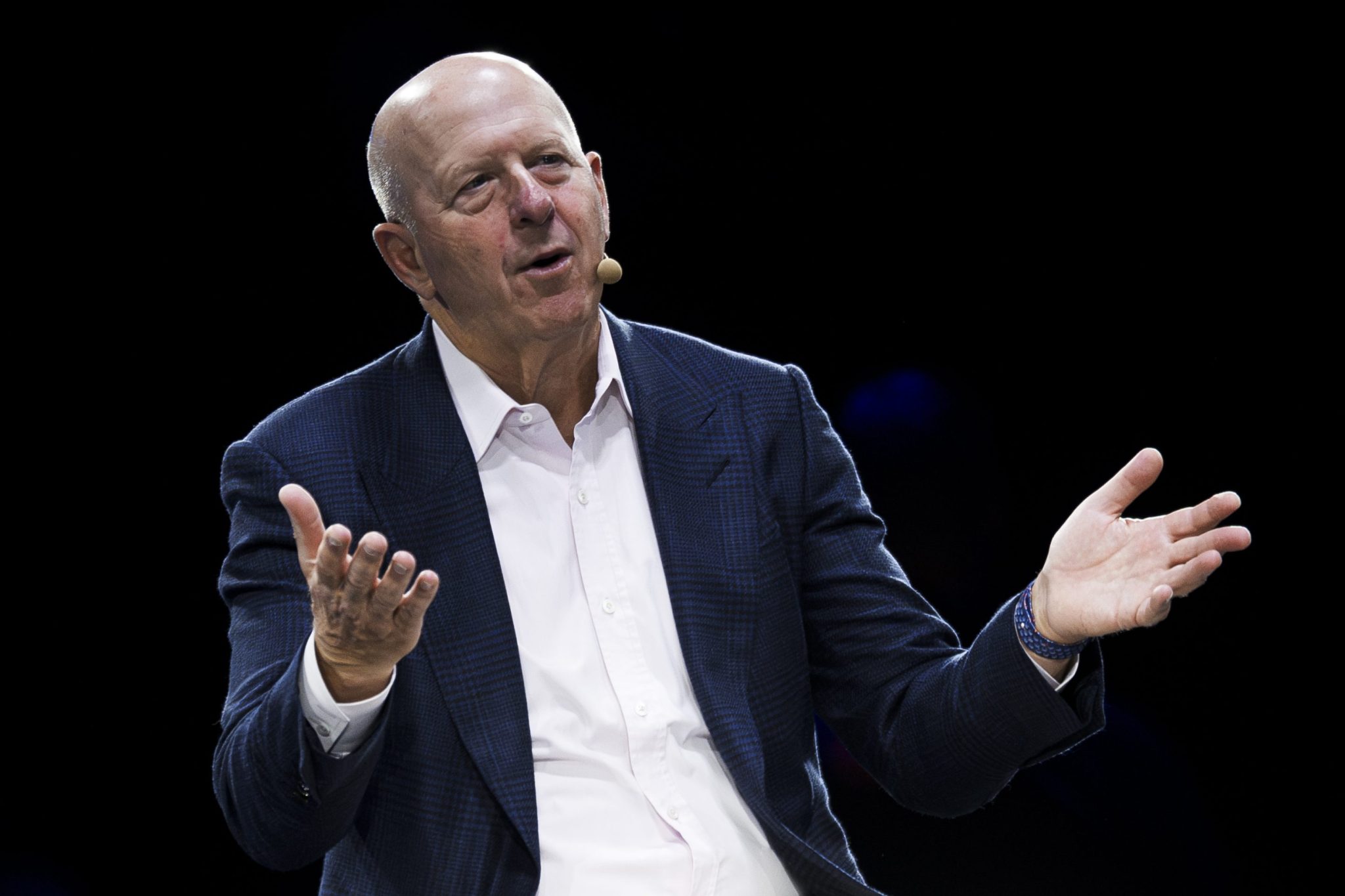
Goldman Sachs CEO David Solomon said he prefers candidates who are “smart enough” and bring judgment, resilience and experience to the job, rather than hiring on intelligence alone. His comments add to a broader debate among business leaders over how much elite degrees should count in recruiting.
Speaking on Sequoia Capital’s Long Strange Trip podcast last year, Solomon said raw intelligence is only one part of what it takes to succeed at Goldman Sachs. He said the “smartest person in the world” would struggle at the firm without a broader mix of qualities.
Solomon said he looks for candidates who can connect with people, withstand pressure and keep pushing for strong performance. He also pointed to a proven record as a hiring advantage.
Experience, Solomon said on the podcast, is often undervalued and can set candidates apart inside large organizations. He said that expertise becomes most visible when conditions turn difficult and leaders have to make hard calls.
“You can’t teach experience,” Solomon said, adding that experience matters most when “the bumps come.”
Other executives question degree-based hiring
Solomon is not the only high-profile executive to play down academic pedigree as the main signal of talent. LinkedIn’s Ryan Roslansky said during a 2025 fireside chat reported by Business Insider that the future of work may favor people with AI skills over those with the most prestigious degrees.
Roslansky said the shift in mindset around hiring was among the most exciting changes he saw. He said he expected employers to look beyond candidates who attended top colleges or collected elite credentials.
Warren Buffett, the former Berkshire Hathaway CEO, has also said he does not use school names as a hiring screen. In his 2025 annual letter to shareholders, Buffett said he “never” looks at where a candidate went to school.
Buffett made the point while discussing Berkshire Hathaway’s 2005 purchase of Forest River, an RV maker led by Pete Liegl. Buffett said Liegl’s performance surpassed competitors even though he did not come from one of the most prestigious universities.
“Of course, there are great managers who attended the most famous schools,” Buffett wrote. He added that others, including Liegl, may have done well after attending a less prominent school or leaving college before finishing.
Meta CEO Mark Zuckerberg has also questioned whether college is preparing graduates for the labor market. Speaking last year on the This Past Weekend podcast, Zuckerberg said colleges are facing pressure to show whether a degree still makes sense for every student, especially for jobs that do not require one.
Zuckerberg said more people now appear open to the idea that some workers do not need college, a view he said was more difficult to express a decade earlier.
Taken together, the comments show several major business figures giving more weight to skills, judgment and work history than to school prestige alone. Solomon’s message for Goldman Sachs candidates was direct: intelligence matters, but experience and the ability to handle pressure matter too.
This story draws on original reporting from Fortune.