
Military testosterone testing plan renews scrutiny of hormone therapy
The Pentagon plan puts new attention on a treatment doctors say can help confirmed patients but carries risks when used without clear medical need.
By Maya Lindqvist · Senior Technology Correspondent
3 min read
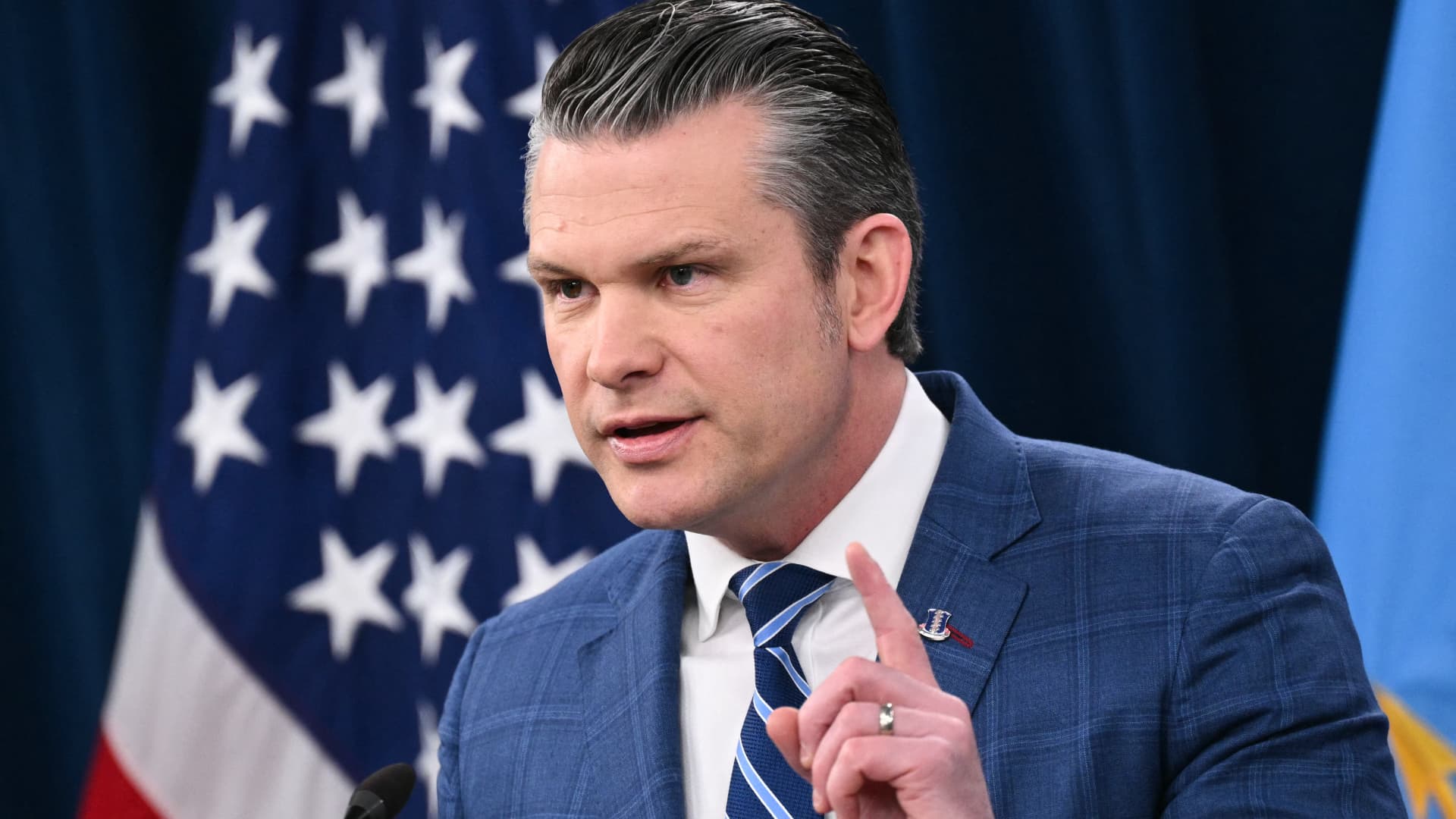
The U.S. military plans to test service members’ testosterone levels and make replacement therapy available to those who qualify, Defense Secretary Pete Hegseth said last week. The move matters because doctors say testosterone treatment can help men with a documented deficiency, while its wider use for performance, aging or fatigue remains medically disputed.
Hegseth said the goal is to help troops perform at their best. CNBC reported that the effort fits with a broader Trump administration push to promote and expand access to testosterone replacement therapies, a market that includes products from AbbVie, Pfizer and Marius Pharmaceuticals.
Testosterone replacement therapy uses synthetic testosterone and is commonly delivered through injections, gels, implanted pellets or oral drugs, according to physicians cited by CNBC. Doctors said it is generally meant for men with clinically diagnosed hypogonadism, a condition in which the body does not produce enough testosterone.
That diagnosis usually involves more than one low lab result. Marcus Goncalves, director of the Holman Division of Endocrinology, Diabetes and Metabolism at NYU Langone Health, said medical guidelines generally call for two separate morning blood tests because testosterone levels change during the day.
Doctors also look for symptoms, including low sex drive, fatigue, erectile dysfunction, depressed mood, reduced bone density, or loss of muscle mass and strength. Dr. Adrian Sandra Dobs, an endocrinologist at the Johns Hopkins School of Medicine, said testosterone can decline with age, but aging alone does not usually establish a deficiency.
Use of the therapy has been rising. Prescriptions increased from 7.3 million in 2019 to more than 11 million in 2024, according to the health care research firm IQVIA. CNBC reported that men’s health clinics, telehealth firms and online influencers have helped drive interest by promoting testosterone for tiredness, aging and performance, while Health and Human Services Secretary Robert F. Kennedy Jr. has discussed using it in an anti-aging regimen.
The American Urological Association says as many as one-third of men taking testosterone have not been formally diagnosed with testosterone deficiency. Doctors cited by CNBC said some men may have low levels because of reversible factors such as obesity, poor sleep, chronic illness, severe stress, weight loss or heavy physical exertion.
For men with confirmed deficiency, physicians said the treatment can improve sex drive, erectile dysfunction, muscle mass, bone density, energy and mood. Dr. Richard Auchus, a professor of internal medicine at the University of Michigan, said clinicians try to limit treatment to patients likely to benefit.
The evidence is less clear for men whose levels are normal or only slightly low, according to the physicians. Dobs said testosterone does not improve intelligence or make someone a better pilot.
The therapy also requires monitoring. Goncalves said testosterone can raise red blood cell counts, which may thicken blood and increase the risk of complications such as clots. Doctors said it can also suppress sperm production, affect fertility, cause acne, breast tenderness or enlargement, fluid retention, and worsen untreated sleep apnea.
A major 2023 trial published in the New England Journal of Medicine found no higher rate of heart attack, stroke or cardiovascular death among men receiving testosterone than among those given a placebo. Researchers did report higher rates of atrial fibrillation, acute kidney injury and pulmonary embolism in the testosterone group.
The military setting raises additional questions. Goncalves said intense training, lack of sleep and prolonged exertion can temporarily lower testosterone. He pointed to a study of U.S. Marines in Survival, Evasion, Resistance and Escape training that found levels fell by about half during the exercise and later recovered.
Goncalves said there is no evidence that restoring testosterone during that kind of temporary drop improves performance. Auchus also warned that long-term therapy can suppress natural production, creating problems if a service member becomes reliant on treatment and then loses access during deployment or an operation.
This story draws on original reporting from CNBC.