
Midterms put new pressure on AI data-center expansion
Local restrictions and governors-elect’s campaign pledges could lengthen permitting and raise costs for AI data-center projects.
By Maya Lindqvist · Senior Technology Correspondent
3 min read
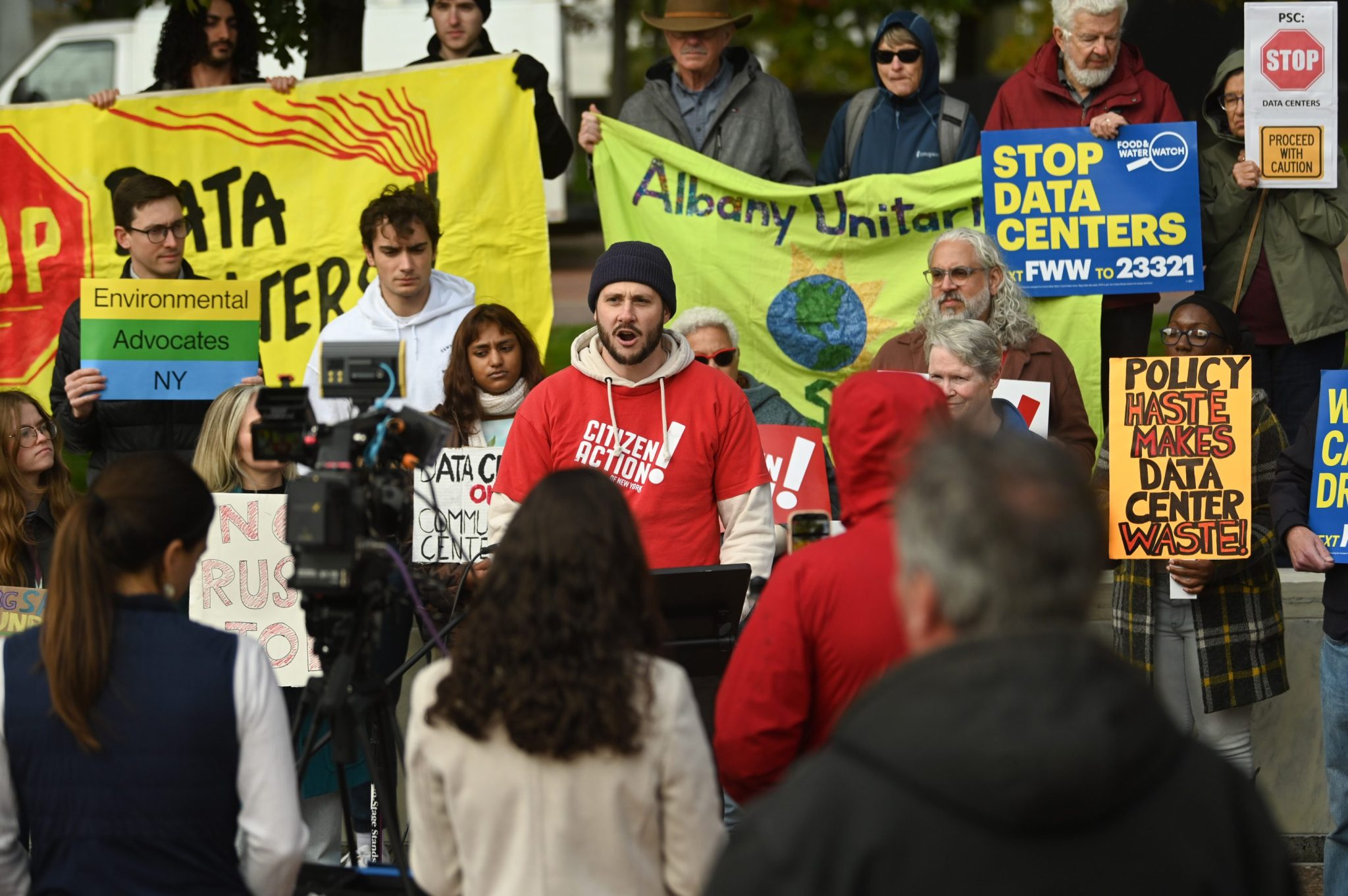
Election results have added political risk to U.S. AI infrastructure plans. In the midterms AI data centers became a local ballot issue as voters backed restrictions in 37 of 38 tracked contests, while incoming governors in Texas, Ohio and Georgia campaigned for pauses or tighter conditions on new projects, according to CBS News and Fortune.
The outcome does not create a nationwide ban or put campaign proposals into force. It does, however, give state and local officials potential influence over permits, grid connections, water reporting and tax incentives that can affect when projects proceed and what developers must pay, Fortune reported.
How could the midterms affect AI data-center construction?
Redbud Consulting’s analysis, cited by CBS News, found voters had approved 37 measures restricting data centers as of Wednesday afternoon. Harwood, North Dakota, was the lone community in the group where voters approved a data center. Fortune separately reported preliminary Redbud tracking that found opposition to development in all but one of 38 local contests with complete counts.
The votes followed public concern over the facilities’ local effects. A CBS News poll conducted over the summer found opposition to a new data center nearby exceeded support by more than two-to-one. A Brookings briefing said the rapid growth of AI data centers has intensified discussion about electricity and water consumption, as well as measurement, reporting and energy-policy responses.
Texas offers the clearest example of the distinction between existing action and future policy. Fortune reported that outgoing Gov. Greg Abbott had directed regulators to develop measures on energy-infrastructure costs, halted new grid-connection approvals during an audit of proposed projects, and later called for water-use reporting enforcement and a pause in new permits while electricity- and water-use audits were completed.
Governor-elect Gina Hinojosa campaigned for a data-center construction moratorium and for ending subsidies and tax breaks for large developers, according to Fortune. CBS News also reported that she proposed a temporary construction ban during the campaign. Those proposals have not been established as enacted statewide policy in the reporting.
In Ohio, Governor-elect Amy Acton called for a conditional moratorium unless developers cover utility costs, use union labor and meet environmental standards, Fortune reported. In Georgia, Governor-elect Keisha Lance Bottoms pledged a temporary statewide pause to assess effects on electricity bills, communities and the environment; CBS News reported that she said she would seek an executive order while determining the administrative steps required. Fortune noted that governors can influence permitting, regulation and tax incentives, though some actions may need legislative approval.
What remains uncertain for developers?
Analysts cited by CBS News said added grid-investment requirements and the loss of tax incentives could increase developer costs and slow construction. Macquarie analysts, quoted by Fortune, said pressure may center on what operators provide through taxes, power rates, environmental considerations and community support.
That uncertainty comes amid a large buildout: CBRE reported 7,481 megawatts of data-center capacity under construction across eight major North American markets in the first half of 2026, nearly 25% more than a year earlier, Fortune reported. Oxford Economics analysts told CBS News that a more restrictive approach could extend project timelines, while saying slower construction would not necessarily damage broader economic growth.
This story draws on original reporting from Fortune.