
Rostelecom discusses underground data centers after reported Ukrainian strikes
Rostelecom is reportedly in talks on underground data centers after Ukrainian attacks reportedly affected Russian digital services.
By Hana Yoshida · Markets Reporter
2 min read
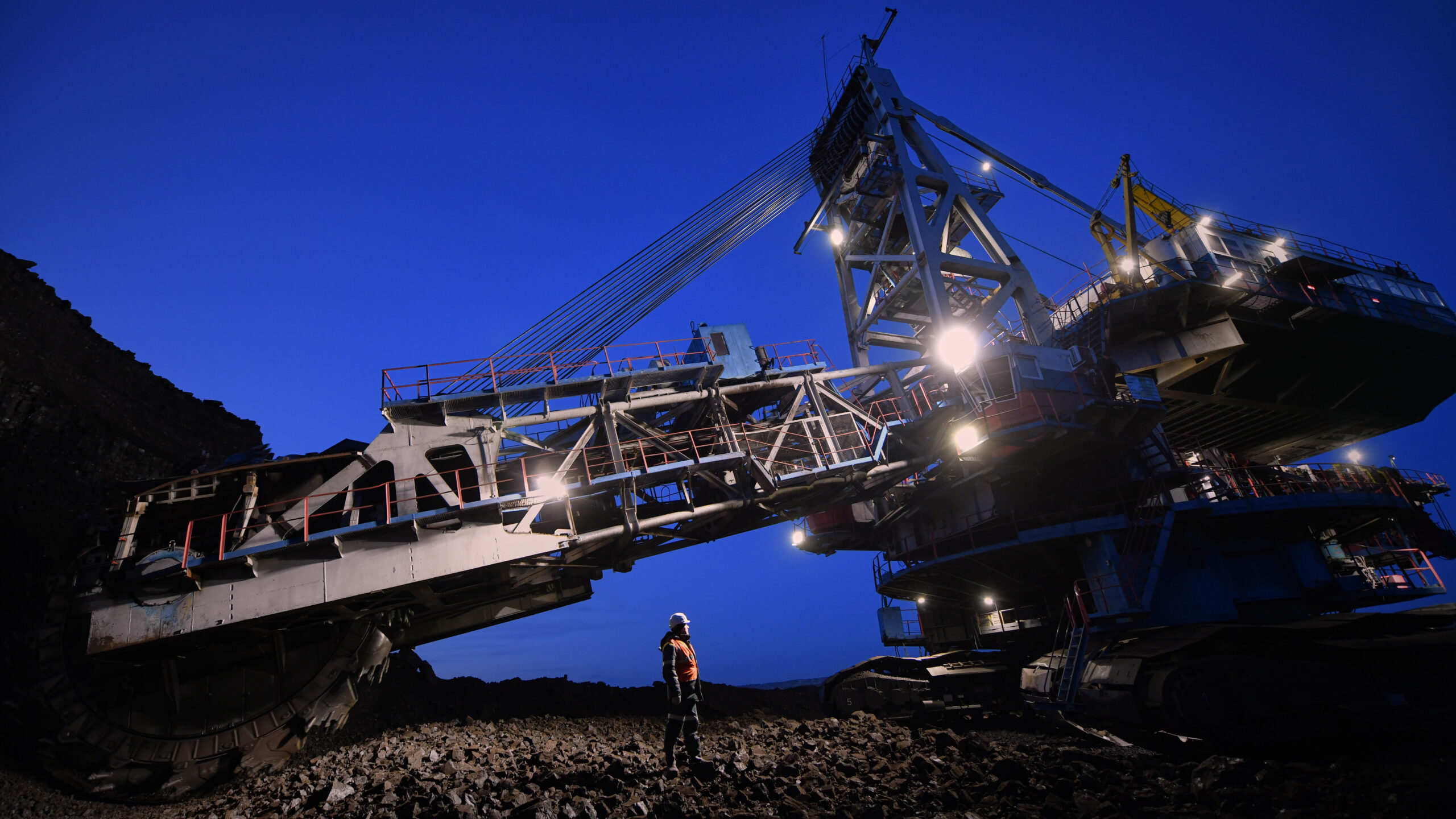
Russian state telecom operator Rostelecom is reportedly discussing underground data centers with mining company Nornickel after Ukrainian attacks reportedly affected Russian data-center infrastructure and digital services. The Rostelecom underground data centers discussions point to a possible effort to protect computing systems from drones and some missile attacks, according to Vedomosti reporting cited by UAWire and Ars Technica.
The supplied reports do not describe a final agreement, construction schedule or cost. Rostelecom and Nornickel have not provided statements in the material reviewed.
Why is Rostelecom considering underground data centers?
Locating servers below ground could add physical protection against drone strikes and certain missiles, UAWire reported, citing Vedomosti. A senior Rostelecom manager described underground hosting as one part of a wider resilience plan, alongside backup sites holding data copies and distributing computing power and services across separate locations.
That approach follows reported October attacks on data centers associated with Yandex, state-owned lender Sberbank and social network VK. Ars Technica reported that strikes also affected facilities operated by Russia's Finance Ministry and were followed by disruption to payments, digital banking, online shopping, streaming, ride-hailing and food-delivery services.
The reports describe Russia's consumer and public digital services as concentrated among a relatively small number of domestic providers. Damage at a limited number of facilities can therefore affect services used well beyond the immediate sites.
Yandex moved supercomputers after the reported attacks
Yandex relocated all three of its main supercomputers after attacks targeted the AI data centers where they had been housed, according to Meduza reporting cited by Ars Technica. The reports do not give details on their new location or the timing of the move.
A separate proposal, reported by Data Center Dynamics and cited by Ars Technica, would place data centers in open-pit coal mines and build public parks above them as camouflage. The material does not identify that proposal as a Rostelecom project.
What does Russia's 10% capacity rule require?
President Vladimir Putin signed a decree on November 2 requiring Russian data-center operators to reserve 10% of available space and capacity for potential government needs, Ars Technica reported, citing Meduza. The same account says a special government commission, working with the Federal Security Service, may authorize the use of foreign data centers.
The available accounts are based on secondary reporting that attributes key details to Vedomosti, Meduza and Data Center Dynamics. They do not include a technical plan for an underground site or independent confirmation of each reported impact from the strikes.
This story draws on original reporting from Ars Technica.