
Mideast oil chokepoints strain markets as fuel stocks run low
Analysts warn Hormuz, the Red Sea and other conflict zones could squeeze crude flows while refined fuel stocks offer little cushion.
By Maya Lindqvist · Senior Technology Correspondent
4 min read
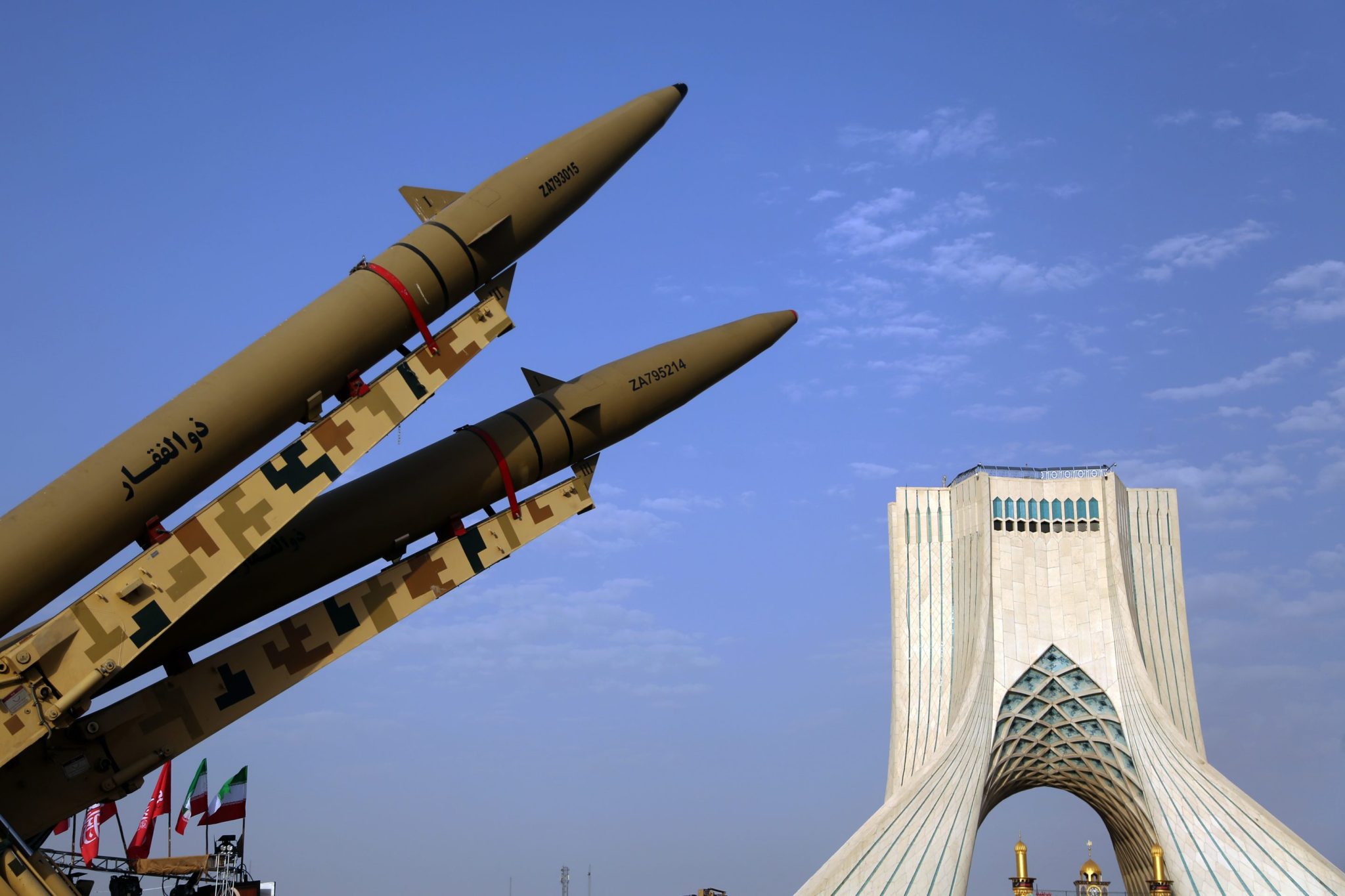
Mideast oil chokepoints are becoming a sharper risk for energy markets as conflicts threaten several export routes at once. Analysts cited by CNBC, Bloomberg TV and Fortune say the immediate pressure is not limited to crude oil; gasoline, diesel and jet fuel supplies have even less room for disruption.
Fortune reported that the U.S. and Iran paused attacks on each other in the Persian Gulf over the weekend while diplomacy continued. Iran and Oman are also holding separate talks on reopening the Strait of Hormuz, according to Fortune.
Any arrangement that acknowledges Iranian control over the narrow waterway is unlikely to be accepted by the U.S. or Iran’s neighbors, Fortune reported. At the same time, Iran-backed Houthi fighters are threatening ships near the Bab el-Mandeb Strait, a Red Sea route Saudi Arabia has used to move oil without relying on Hormuz.
What are the Mideast oil chokepoints at risk?
The Strait of Hormuz is the Persian Gulf passage used by major oil exporters, while Bab el-Mandeb connects the Red Sea with waters leading toward the Indian Ocean. If both routes are restricted, exporters and shipowners have fewer practical options for moving oil out of the region.
Ships can use the Suez Canal to enter or leave the Red Sea from the north, but Fortune reported that the canal cannot handle the largest crude tankers. Fortune also noted the risk that Iran could attempt to hit the Suez Canal as the conflict expands.
Helima Croft, head of global commodity strategy at RBC Capital Markets, told CNBC that Red Sea unrest is raising the prospect of scenarios in which oil has no easy route out. She also said Washington is facing simultaneous pressure across several theaters.
Those pressures extend beyond the Middle East. Fortune reported that Ukraine has targeted Russian oil infrastructure across the country and attacked tankers carrying Russian crude and refined products in the Black Sea.
Russia is among the world’s leading diesel producers, according to Fortune. Damage to its refineries has reduced supply and pushed Moscow to ban exports in an effort to keep barrels available for domestic users, the report said.
Fortune also reported that a Ukrainian attack recently hit an Iranian ship in the Caspian Sea that was suspected of carrying military supplies between Iran and Russia. That adds another pressure point to the Persian Gulf, Red Sea and Black Sea disruptions.
Why are refined fuel supplies under more pressure?
Susan Bell, senior vice president of downstream research at Rystad Energy, told Bloomberg TV that refined products are in a tighter position than crude. She said commercial and strategic crude inventories stood at 4.4 billion barrels when the Iran war began, while gasoline, diesel and jet fuel inventories totaled about 1.4 billion barrels.
Bell said both crude and product inventories have since fallen by 200 million barrels, leaving a thinner buffer for fuels. She pointed to the U.S. gasoline crack spread, which she said rose from about $8 a barrel at the start of the war to $40 to $50.
A crack spread measures the difference between crude oil prices and the price of refined fuels made from that crude. A wider spread signals that fuel supplies are tighter, refining margins are higher, or both.
President Donald Trump has few remaining policy tools as oil prices again approach $100 a barrel, Fortune reported. Emergency reserves have been heavily drawn down, a gas tax holiday would require approval from a divided Congress, U.S. producers and refiners are already operating near record levels, and the administration has already waived the Jones Act to allow more fuel shipments from the Gulf Coast to the East and West coasts.
Dan Pickering, founder of Pickering Energy Partners, told Fortune’s Jordan Blum that a near closure of both Bab el-Mandeb and Hormuz could send oil back toward the late-April high of $124 a barrel in August. He said the impact could arrive quickly because markets are already starting from a strained position.
This story draws on original reporting from Fortune.