
Michael Eisner says Hollywood learned gaming lesson through failure
The former Disney chief said studios have often mishandled valuable IP in new formats, with video games offering a long-running example.
By Maya Lindqvist · Senior Technology Correspondent
3 min read
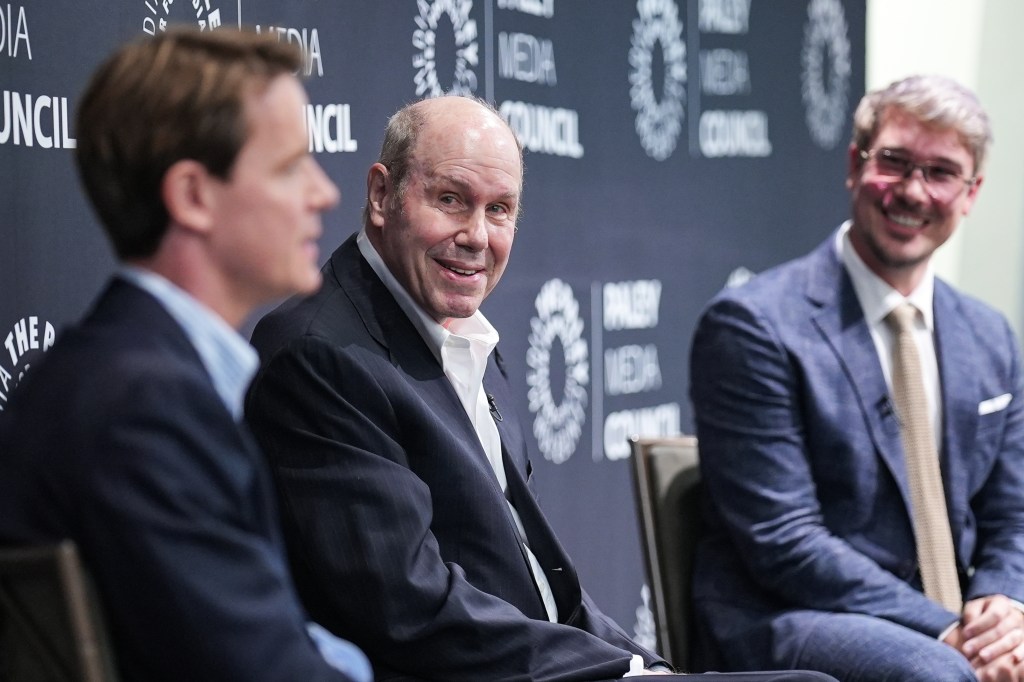
Former Walt Disney Co. CEO Michael Eisner said Hollywood repeatedly misread video games and other new formats, forcing studios to rely on licensing rather than building game businesses themselves. Speaking Thursday at the Paley Center for Media’s “Sports in the Gaming Era” discussion, Eisner said the issue matters because familiar intellectual property has become a central tool for winning attention across entertainment.
“We all failed,” Eisner said of Hollywood’s early gaming efforts. “We ended up licensing. That’s how we succeeded.”
Eisner pointed to Warner Bros.’ ownership of Atari as an early example of the problem. He said Warner “started it all with Atari” in 1983 and “went under,” while The New York Times reported that Warner sold Atari in 1984 at a loss. Eisner said Nintendo’s Mario franchise helped revive the format after that period.
The former Disney chief said studios did not lack ideas, but were weak in the technology that powered early games. “Now it’s story-driven,” Eisner said. “Now it is IP-driven.”
Eisner tied that shift to a broader Hollywood habit: companies create characters and stories, then try to place them in parks, products, films, television and games. He said Disney’s model has long depended on extending IP into places where audiences can experience it, while also finding moments to create new properties.
From sequels to franchise power
Eisner said his own view changed over time. He recalled that earlier in his career at ABC and Paramount Pictures, he preferred original programming and resisted sequels. “I never believed in sequels,” he said, describing his approach then as building around new ideas.
During Eisner’s time leading Disney, the company released original animated films including “The Little Mermaid,” “Beauty and the Beast,” “Aladdin” and “The Lion King.” Eisner also said Disney’s later purchase of Star Wars from George Lucas was among the company’s best decisions, pointing to the loyalty of fans around that franchise.
The panel, moderated by OpenAI senior adviser Moritz Baier-Lentz, also included Delphi Interactive founder and CEO Casper Daugaard. Daugaard’s company has secured licenses tied to James Bond and FIFA, and he said Delphi pursued known brands before trying to develop original properties.
Daugaard said Delphi is not aiming its James Bond project mainly at dedicated gamers. “We want to make this game for James Bond fans,” he said.
Baier-Lentz, described at the event as a former professional gamer and investor, said games now compete with social media, streaming services, movies and online creators for the same limited consumer time. He said that constraint makes established IP especially valuable.
Eisner said licensed franchises can help companies enter gaming, but he warned that relying on sequels can wear out audiences. He said Disney may have “overstepped its bounds” with Star Wars by producing too many sequels.
Daugaard said IP owners are changing how they approach game deals. Rather than licensing brands at arm’s length for royalties, he said groups such as FIFA want to act more like co-founders with longer-term incentives.
He also said short-form video and artificial intelligence make it harder for new properties to break through. In that environment, Daugaard said, audiences often turn first to things they already recognize.
This story draws on original reporting from Fortune.