
Miami more expensive than New York claim turns on affordability data
BEA data put Miami’s cost of living above New York’s, but housing and job figures show the shift is mostly about local affordability.
By Maya Lindqvist · Senior Technology Correspondent
3 min read
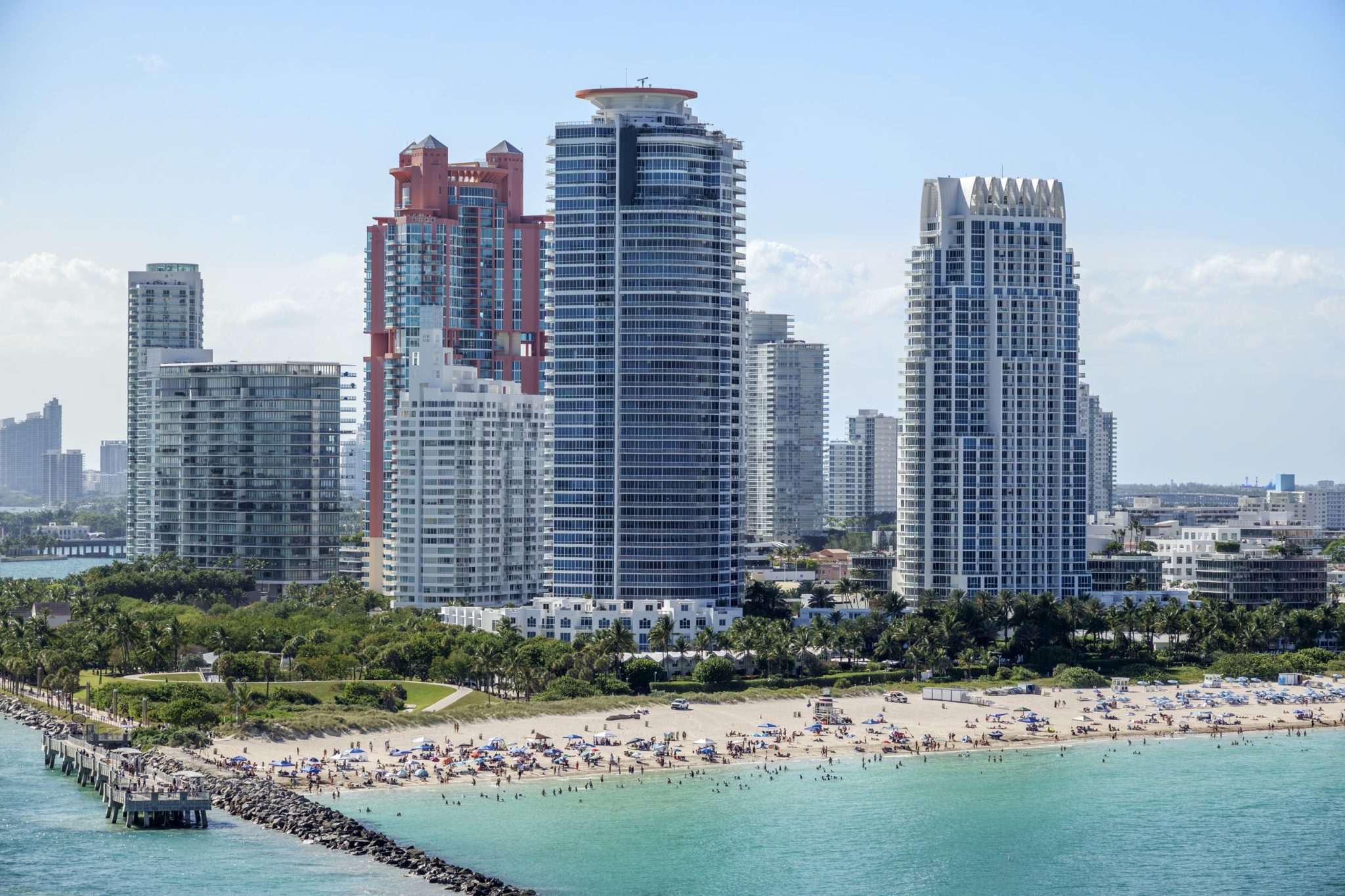
The claim that Miami is more expensive than New York has spread after Bureau of Economic Analysis data placed Miami’s cost of living above New York’s for the first time. The comparison matters because it reflects a squeeze on local residents, rather than proof that Miami real estate now costs more than Manhattan property.
The BEA measure cited in the debate weighs local prices against what people in an area earn. That means a city can look costlier when everyday expenses rise faster than local incomes, even if its home prices remain below another city’s.
Is Miami more expensive than New York?
On raw housing prices, the answer is no, according to Federal Reserve Bank of St. Louis data. Manhattan’s median listing price was $1,489 per square foot in May 2026, while Miami-Dade County’s was $465 per square foot.
The affordability picture is different. Miami households have faced rising costs for car ownership, insurance, private school tuition and restaurants, categories that can weigh more heavily in South Florida than they do for many Manhattan renters. Government consumer price data show South Florida’s index has risen 36% since 2019, more than any tracked metro area except Tampa.
Michelle Griffith, a Douglas Elliman broker, told Fortune that clients have been asking about the comparison and that the issue is affordability for Miami residents. She said Miami’s recent influx has pushed up costs that affect people who lived there before the boom.
How do jobs and housing compare?
New York still has a much larger employment base, according to labor data cited by Fortune. The New York City metro area added 86,800 jobs over the year through December 2025, according to the NYCEDC’s monthly economic snapshot, while the Miami metro area added 42,600 jobs over the same period, according to Bureau of Labor Statistics regional data.
Miami’s smaller size changes the growth-rate comparison. With about 6.4 million people, Miami generated about 6.7 new jobs per 1,000 residents, compared with about 4.4 per 1,000 residents in the roughly 20 million-person New York metro area, according to the figures cited by Fortune.
Luxury housing data also show New York remains pricier at the top end. Fisher Island, Miami’s most expensive enclave, posted a first-quarter 2026 price of $2,391 per square foot, according to Condo Blackbook. Miller Samuel data put Manhattan’s overall condo average at $2,431 per square foot.
Griffith told Fortune that comparisons between broad South Florida and greater New York can obscure the difference between prime Miami and prime Manhattan. Her view is that Manhattan’s leading neighborhoods still command higher prices per square foot than comparable Miami areas.
Are companies leaving New York for Miami?
Griffith said she sees Florida expansion as an addition to New York operations, rather than a replacement. She pointed to J.P. Morgan, which has doubled its Miami office and has about 16,400 employees in Florida, while employing more than 20,000 in New York, its largest hub.
J.P. Morgan also opened a $3 billion, 2.5 million-square-foot headquarters in New York built for 14,000 workers, according to Fortune. Griffith said finance, fintech, entertainment and other industries continue to give workers and companies reasons to stay in Manhattan.
She also described the Miami-New York split as tied to life stage. Younger clients seeking jobs tend to look to New York, while retirees may add a South Florida home without selling in New York, according to her comments to Fortune.
Manhattan’s luxury market has continued to record high-end activity. The Olshan Luxury Market Report counted 27 Manhattan contracts at $4 million and above for the week of July 13 to 19, two fewer than the prior week.
This story draws on original reporting from Fortune.