
KitKat theft became a rapid-response marketing win
Nestlé turned the loss of 12 tons of KitKat bars into a public campaign that drew millions of online interactions, Fortune reported.
By Maya Lindqvist · Senior Technology Correspondent
3 min read
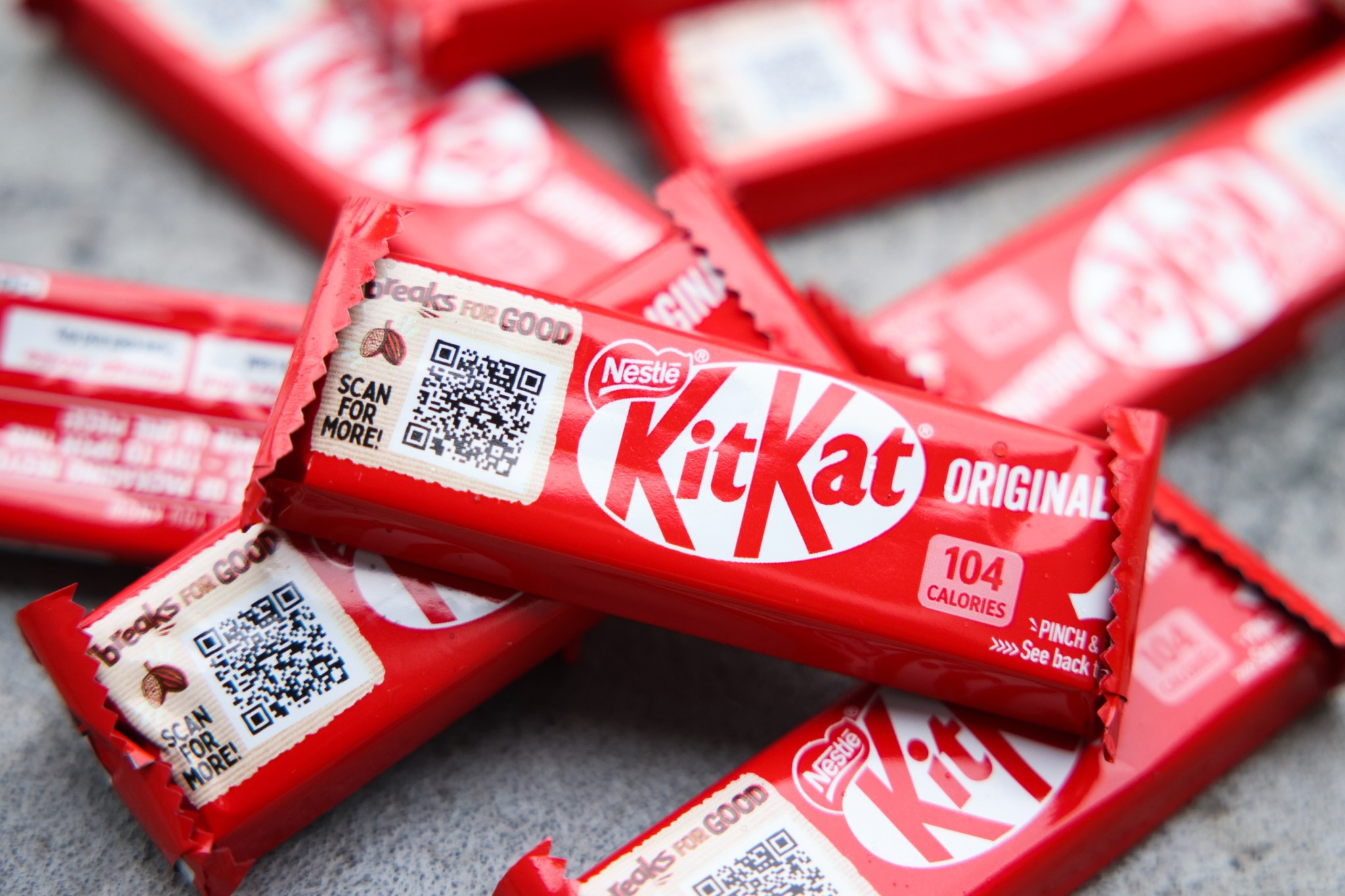
Nestlé responded to the theft of more than 400,000 KitKat bars by turning the case into a public marketing push, Fortune reported. The episode mattered for the company because it happened just before Easter, a peak chocolate-sales period, and quickly became a test of how fast a large brand could act online.
The missing shipment amounted to about 12 tons of chocolate, according to Fortune. The bars had been traveling from a Nestlé factory in central Italy to Poland when thieves took the truck.
Mélanie Brinbaum, Nestlé’s European head of marketing and consumer communications, told Fortune that the news first circulated inside the company’s Vevey, Switzerland, office as an odd and expensive problem. Within hours, the marketing team considered whether to address the theft publicly rather than keep quiet or issue a conventional corporate response.
A theft becomes a campaign
Brinbaum said Nestlé’s KitKat team asked agency partner VML to produce an idea within 24 hours because the story was already spreading online. Nestlé then acknowledged the missing shipment on X with a post that played off KitKat’s long-running “Have a break” slogan.
The post received 393,000 likes overnight, the most ever for that account, Fortune reported. No one was injured in the theft, but Brinbaum told Fortune that Nestlé also wanted to draw attention to cargo crime, which she said the company had faced before.
Transported Asset Protection Association analysis cited by Fortune found 30,543 cargo crime incidents in Europe between 2024 and 2025, with recorded losses of €860.5 million, or about $991.5 million. Those figures put the KitKat case within a broader problem for companies moving goods through supply chains.
Nestlé and VML then created a “stolen KitKat” checker that let customers enter the eight-digit batch code from a wrapper to see whether it came from the missing load. Fortune reported that more than 2.2 million people clicked on or interacted with the tool.
The campaign also lifted KitKat’s daily social video views from about 1 million to 29 million, according to Fortune. VML said the checker identified three suspicious batch codes and produced one lead that became part of an active police investigation.
Other brands joined in
Nestlé followed with a stunt in Toronto showing security agents escorting a KitKat-branded truck. Fortune reported that Domino’s, KFC and Ryanair also responded to the joke online.
Within 10 days, Nestlé analysts estimated the campaign generated publicity that would have cost $224 million to buy as advertising, according to Fortune. Brinbaum told Fortune that the result came from giving marketers the authority to move quickly rather than waiting for a standard brief to pass through multiple approvals.
Brinbaum said most unusual ideas do not become global campaigns and that attempts to manufacture virality can fail. Her team uses faster pitches, a “go or no-go” test for ideas, and small “commando teams” that can move from concept to execution in days, Fortune reported.
A lesson for older brands
Brinbaum tied the campaign to a wider effort inside Nestlé to avoid safe, low-impact work at established brands. She told Fortune that large, long-running brands can become “sleeping beauties”: recognizable and profitable, but less connected to culture.
Nestlé, which traces its history back 150 years and owns more than 2,000 brands in 186 countries, has been narrowing media support. Its latest investor report said the number of brands receiving media support fell from more than 400 in early 2024 to 150 in 2026.
The KitKat case showed that a 90-year-old brand inside a large food company could respond quickly to an unexpected event, according to Fortune. It also showed how a supply-chain problem became a public conversation before the Easter rush.
This story draws on original reporting from Fortune.