
Judge approves Anthropic’s $1.5 billion author settlement
Anthropic will pay roughly $3,000 per book to authors and publishers whose pirated works were used in training Claude.
By Maya Lindqvist · Senior Technology Correspondent
2 min read
A federal judge has approved a $1.5 billion settlement requiring Anthropic to compensate authors and publishers for pirated books used to train its Claude chatbot. The deal is the first major resolution among the wave of copyright cases testing how artificial intelligence companies built their systems on protected works.
District Judge Araceli Martínez-Olguín said in a Monday ruling that the class-action agreement gives affected writers and publishers “meaningful relief.” Under the settlement, Anthropic will pay about $3,000 for each covered book.
More than 482,000 books are included in the settlement, according to the ruling. About 91% of those titles have been claimed by authors or publishers who are eligible to receive payments.
Justin Nelson, an attorney for the plaintiffs, called the agreement “the largest known copyright recovery in history” in a statement. Nelson said the plaintiffs’ side expects payments to the class to be made as quickly as possible.
The case had received preliminary approval in September from U.S. District Judge William Alsup in San Francisco federal court. Alsup has since retired.
Before the settlement, Alsup issued a split decision that shaped the case. He found that using copyrighted books to train AI chatbots did not violate copyright law, but he also ruled that Anthropic had improperly obtained millions of books from pirate websites.
Anthropic deputy general counsel Aparna Sridhar pointed to that earlier ruling in a Friday statement, describing it as a significant finding that “training AI on books is fair use under copyright law.” Sridhar said the company was pleased that more than 91% of covered authors and publishers had claimed their share and said Anthropic looked forward to closing the matter.
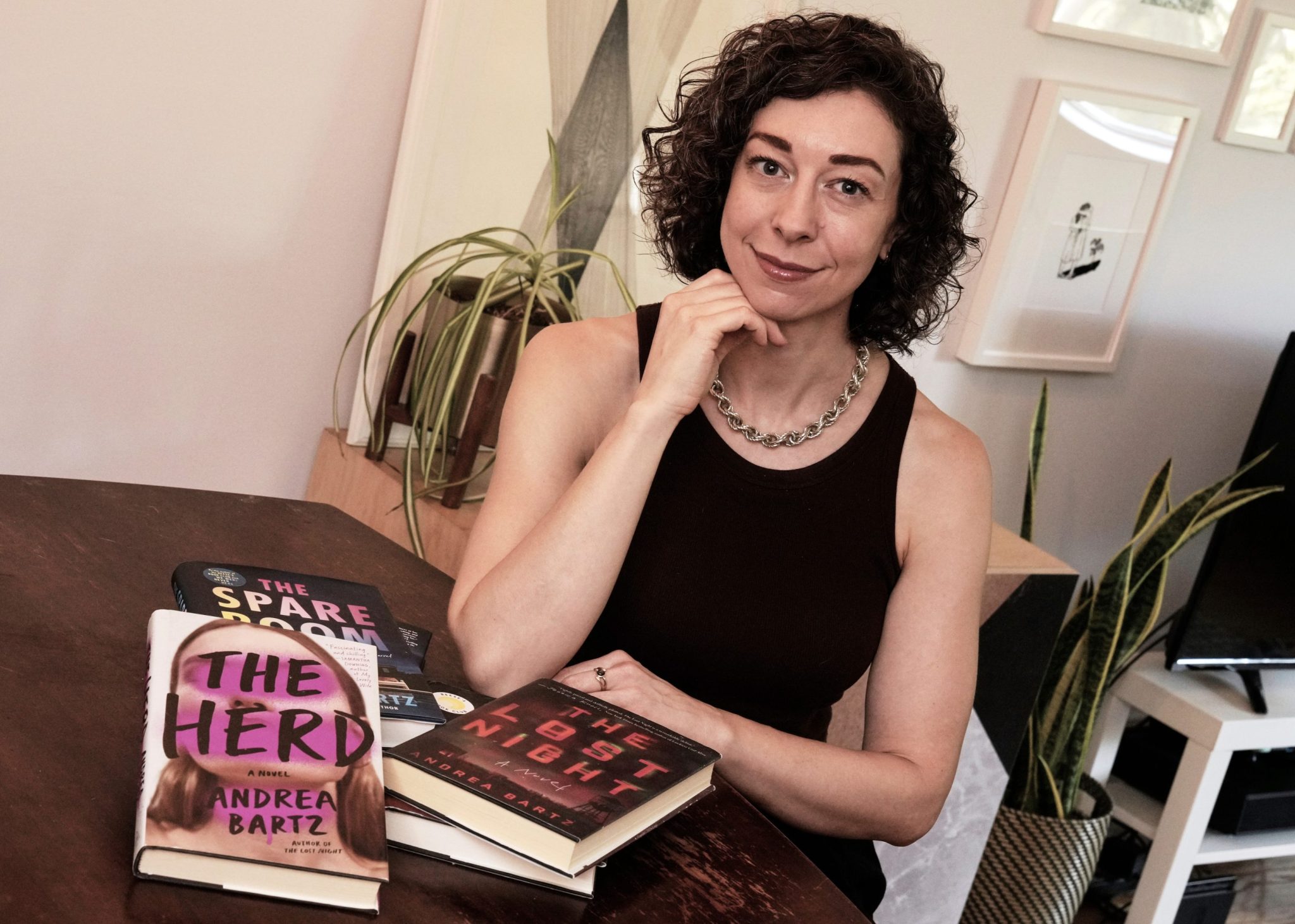
The lawsuit was first filed in 2024 by bestselling thriller writer Andrea Bartz and two other authors. Their case became one of the most closely watched disputes over whether AI companies can use copyrighted books to train large language models, especially when those works were obtained through unauthorized online libraries.
Dozens of other AI copyright lawsuits are still pending in courts. The Anthropic settlement does not end those disputes, but it provides the first large-scale payment framework for authors whose books were used in AI training after being acquired from pirate sites.
This story draws on original reporting from Fortune.