
John Ternus Apple CEO test centers on next product breakthrough
John Ternus is preparing to succeed Tim Cook, with Apple under pressure to pair its scale with a new wave of innovation.
By Maya Lindqvist · Senior Technology Correspondent
3 min read
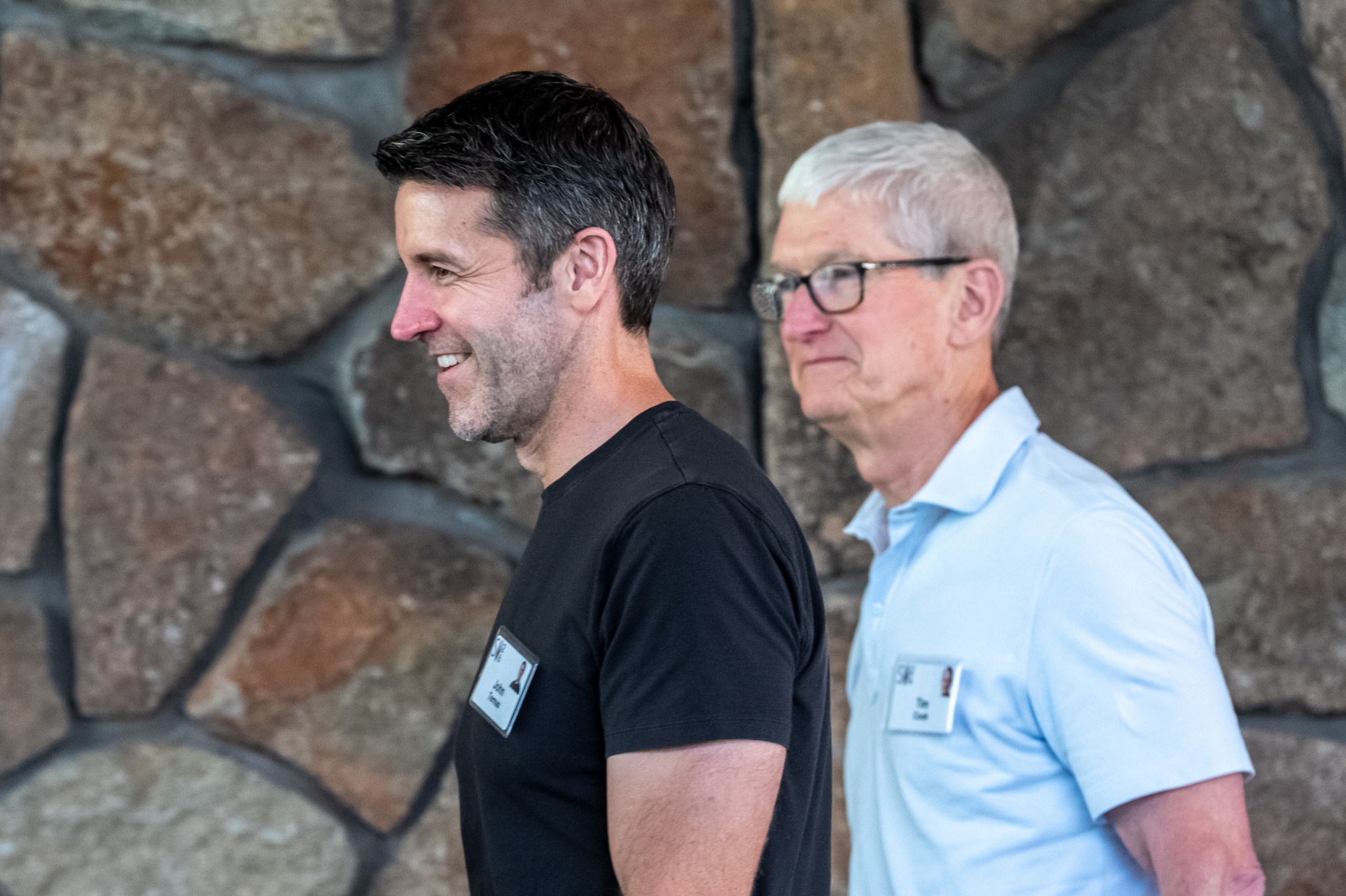
John Ternus Apple CEO succession plans are putting a longtime hardware executive at the center of one of the tech industry’s biggest questions: what comes after Apple’s era of operational dominance. Fortune reports that Ternus is preparing to succeed Tim Cook, who turned Apple into a larger and more profitable company after taking over in 2011.
Cook’s tenure has given Ternus an unusually powerful platform. According to Fortune, Apple’s annual revenue has increased by more than $300 billion since Cook became chief executive, profits have more than quadrupled, and the company now has 2.5 billion active devices worldwide.
The challenge, Fortune reports, is that former employees, investors and analysts see a gap between Apple’s financial strength and its recent record of creating new product categories. They told Fortune that Apple has become better known for improving existing products than for producing the kind of defining launches associated with Steve Jobs.
Who is John Ternus at Apple?
Ternus is an Apple hardware executive whose rise has been tied to engineering work, product launches and internal relationships across the company, according to Fortune. He helped develop the aluminum 2007 iMac, became a regular presence in Apple’s design studio and gained access to the company’s senior leadership through presentations at Apple’s annual meeting for its top 100 executives.
Fortune reported that Ternus built a reputation inside Apple as an executive with deep technical credibility and a record of delivering products. The profile cited his ability to work across teams and the confidence he earned from top leaders as key reasons he is positioned for the company’s highest job.
That background fits Apple’s hardware-driven history. It also puts Ternus in charge at a time when artificial intelligence is changing consumer technology and raising pressure on major device makers to show how their products will evolve.
What will Ternus need to do as CEO?
As chief executive, Ternus would move from delivering products to setting the conditions for Apple’s next phase, according to Fortune’s account. That would include choosing senior leaders, deciding which employees gain influence, shaping product culture and determining where Apple puts its biggest investments.
Former employees and analysts told Fortune that Apple may need more of the ambitious product development style associated with Jobs. In that period, they said, small groups questioned assumptions, designers had wide authority and employees were pushed to take risks.
Fortune framed Ternus’s rise as a case study in how executives prepare for the top role at a Fortune 500 company. Execution, technical depth, influence across divisions and trust from leadership can help an executive reach the corner office, but the CEO role demands broader choices about strategy, people and growth.
Former Apple engineer Matthew Rogers described the shift facing Ternus in Fortune’s report: “Apple has become the best in the world at iterating. This is about going from iteration to innovation. Those are different skill sets.”
For Apple, that distinction may define the succession. Ternus would inherit a company with enormous reach, but Fortune’s reporting shows that his larger test will be whether he can turn that reach into another generation of products that expands what Apple is known for.
This story draws on original reporting from Fortune.