
Jamie Dimon warns investors are too calm about market risks
The JPMorgan chief told CNBC he would avoid broad stocks and long-term Treasurys at current prices, citing geopolitical and fiscal threats.
By Maya Lindqvist · Senior Technology Correspondent
3 min read
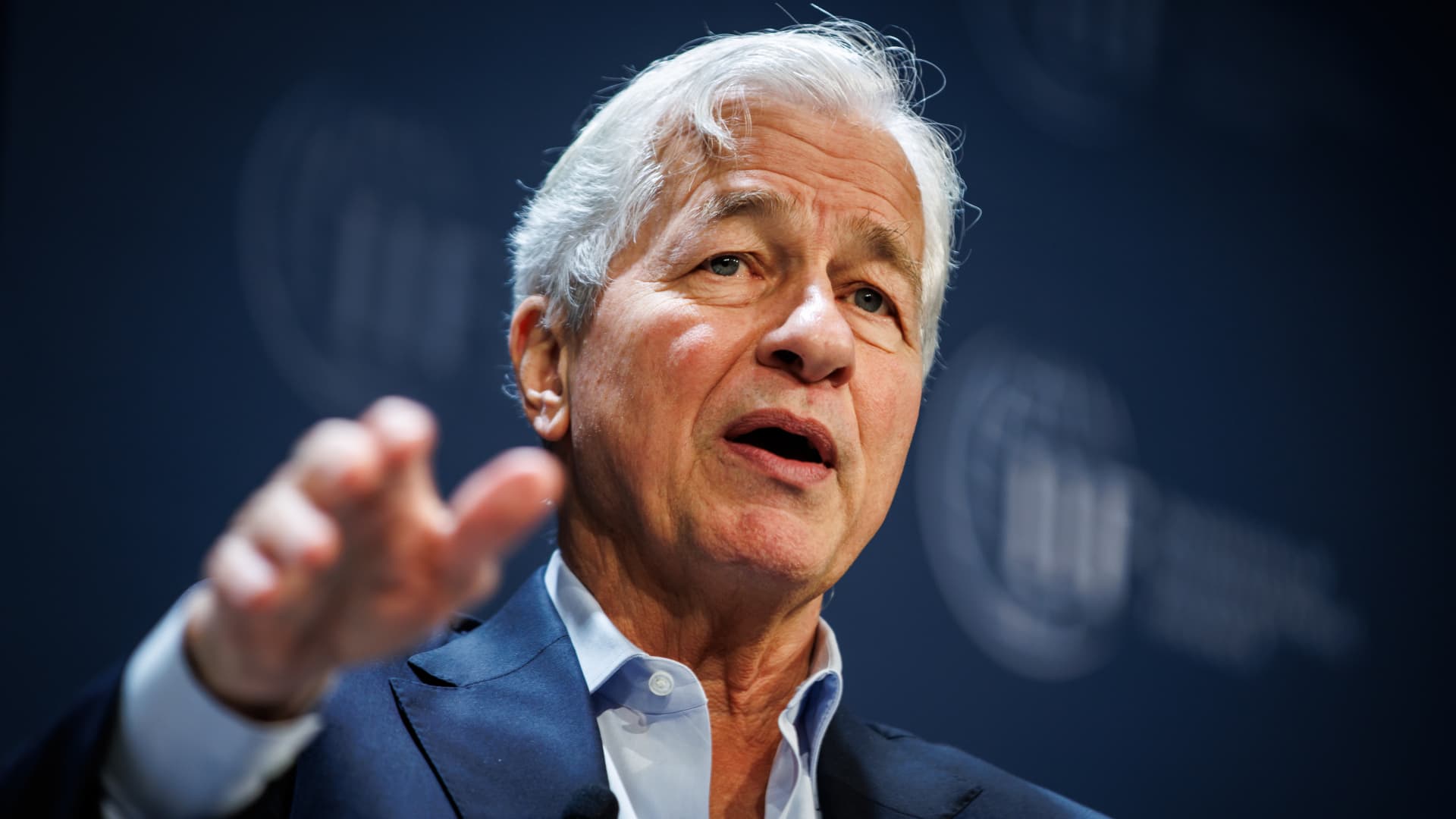
JPMorgan Chase Chief Executive Jamie Dimon said investors are not giving enough weight to risks that could hit global markets. In an interview with Wilfred Frost released Monday, Dimon told CNBC he would not buy broad stocks or long-dated U.S. Treasurys at current prices.
Dimon pointed to the wars in Ukraine and the Middle East, U.S.-China tensions and rising military spending while government deficits are growing. “I do think those risks are probably bigger than other people think,” he said, according to CNBC.
Asked whether markets are too relaxed about the possibility of a major shock, Dimon said it is hard to know what investors have already priced in. “It’s possible something’s baked in, but what’s not baked in is what actually happens,” he said.
CNBC described Dimon as the head of the world’s largest bank by market capitalization and noted that he has often warned publicly about economic risks. His latest comments come as investors have largely pushed past concerns about wars, tariffs and other disruptions, CNBC reported.
The S&P 500 has gained nearly 10% this year, according to CNBC. The network attributed that rise to continued consumer spending, easing inflation and investor enthusiasm for artificial intelligence-related trades.
JPMorgan Chase and other large banks also reported strong quarterly results last week, CNBC said. Trading and investment banking revenue helped drive those earnings, reinforcing the view that the U.S. economy has held up better than many expected despite geopolitical strain.
Deficits and rates
Dimon told CNBC that the world economy has become more resilient than in earlier decades because it depends less on energy. Even so, he said that resilience does not rule out a sudden turning point.
“You may need more straws in the camel’s back to cause that tipping point,” Dimon said, according to CNBC. He added that even a renewed conflict may not be enough by itself to trigger such a shift.
Dimon said persistent U.S. budget deficits will eventually become a market problem. He told CNBC he expects higher interest rates as bond investors demand more compensation to fund the government’s borrowing.
When asked if he would buy long-term Treasurys, Dimon replied, “Personally, no,” CNBC reported. He said that even if inflation returns to the Federal Reserve’s 2% target, the 10-year Treasury yield should likely be around 4% to 4.5%, leaving limited upside for bond prices.
Stocks and artificial intelligence
Dimon gave a similar assessment of equities. He told CNBC he might buy a specific company if it looked like a strong investment, but he would not buy the broader stock market at current valuations.
On artificial intelligence, Dimon compared the current investment surge to the early internet era. “The amount of money being spent is huge. Will it in total pay off? Probably, just like the internet did,” he said, according to CNBC.
He also cautioned that the eventual winners may differ from today’s leading names. Dimon noted that Yahoo and Netscape were early internet standouts that faded, while Google and Facebook emerged later, CNBC reported.
“Will it pay off the way you expect and the timetable you expect? Definitely not,” Dimon said.
This story draws on original reporting from CNBC.