
Iran war fuel prices strain households and businesses across continents
AP profiles show higher fuel costs from the Iran war reshaping work, food budgets and family decisions far from the fighting.
By Maya Lindqvist · Senior Technology Correspondent
3 min read
Iran war fuel prices are changing daily routines far from the battlefield, according to reporting by The Associated Press across seven countries. AP found the effects moving from oil markets into food budgets, small businesses, transport work and family choices.
The United Nations Development Program warned that a severe shock to the fossil fuel system could push 45 million more people into poverty. AP reported that the conflict has reached people far from Iran through higher fuel costs, lost business and growing uncertainty rather than through direct violence.
How are Iran war fuel prices affecting daily life?
Higher fuel prices raise the cost of driving, deliveries, farming, electricity generation and other basic work. AP’s profiles show that people with thin savings feel the pressure first because small increases can quickly erase daily income.
In Manila, AP reported, jeepney driver Edgar Funelas has been unable to afford diesel for the minibus where he and his 10-year-old daughter have lived since a fire destroyed their home. Before the war, he earned about $8 a day driving and sometimes twice that; after diesel surged, he sought work as a dispatcher for about 16 cents per vehicle filled.
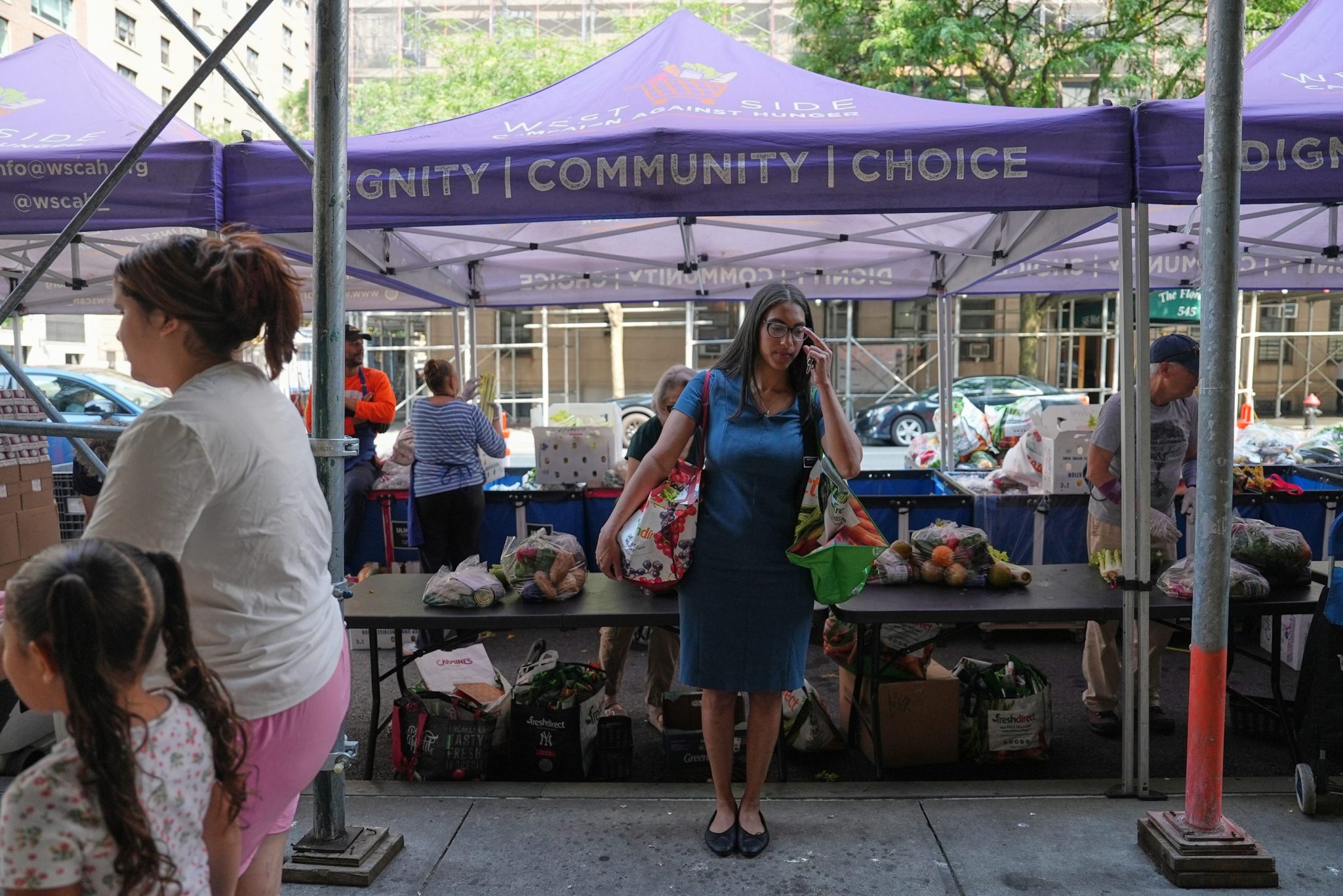
In New York, AP described Marlyn Garcia, 25, leaving a food pantry with groceries for her family as gasoline costs squeezed an already tight budget. Garcia works part time as a breastfeeding peer counselor in the Bronx, while her partner, Steven Espaillat, lost his legal assistant job in March and has taken Uber shifts while looking for steady work.
The family shares a Toyota Camry among three adults, AP reported. Garcia paid $3.97 a gallon for gasoline, and ordinary tasks such as medical appointments, therapy for her 3-year-old son and parking searches now require closer planning.
In Lagos, Nigeria, AP reported that Oluwatosin Awodunmila and her husband have struggled to keep their printing business running because unreliable electricity leaves them dependent on a generator. Since the war began, fuel rose from 800 naira to 1,400 naira per liter, and one day of generator use cost 30,000 naira, more than half the income they expected from that day’s jobs.
AP found similar strain in transport and farming. In Santiago, Chile, taxi driver Felipe Molina is spending about 70% more to fill his tank after the government announced one of the country’s largest recent fuel price increases in March as global oil prices rose. Regulated fares limit what licensed taxi drivers can charge, while ride-hailing services compete for passengers.
Outside Rome, AP reported that farmer Enzo Garbaglia no longer buys 1,500 to 2,000 liters of gasoline at a time for his 105-year-old family farm. He now buys only enough to keep his tractor working, while irrigation and fertilizer also cost more and customers buy less produce.
The war has also cut into livelihoods not directly tied to fuel use, AP reported. In Istanbul, carpet seller Ali Osman Aykul said business fell 90% within 10 days of the fighting as airports closed and wealthy international customers, especially from the Gulf, disappeared.
In Kathmandu, AP reported on a 54-year-old mother who asked not to be named because she feared repercussions for her son’s job. Her son returned to hotel work in Abu Dhabi after visiting Nepal, and reports of migrant workers killed in the conflict made the farewell more painful; remittances account for about 10% of Nepal’s GDP, according to AP.
The cases show a common pattern, AP reported: higher energy costs force people to cut food, delay work, absorb losses or accept risk. For families and small businesses, the war’s economic impact is measured in smaller meals, longer workdays and decisions made one tank of fuel at a time.
This story draws on original reporting from Fortune.