
Hormuz talks push oil prices lower as stock futures rise
U.S. stock futures and South Korea’s Kospi rose as diplomacy over the Strait of Hormuz eased oil-market fears before the Fed meeting.
By Sofia Marchetti · World Affairs Correspondent
3 min read
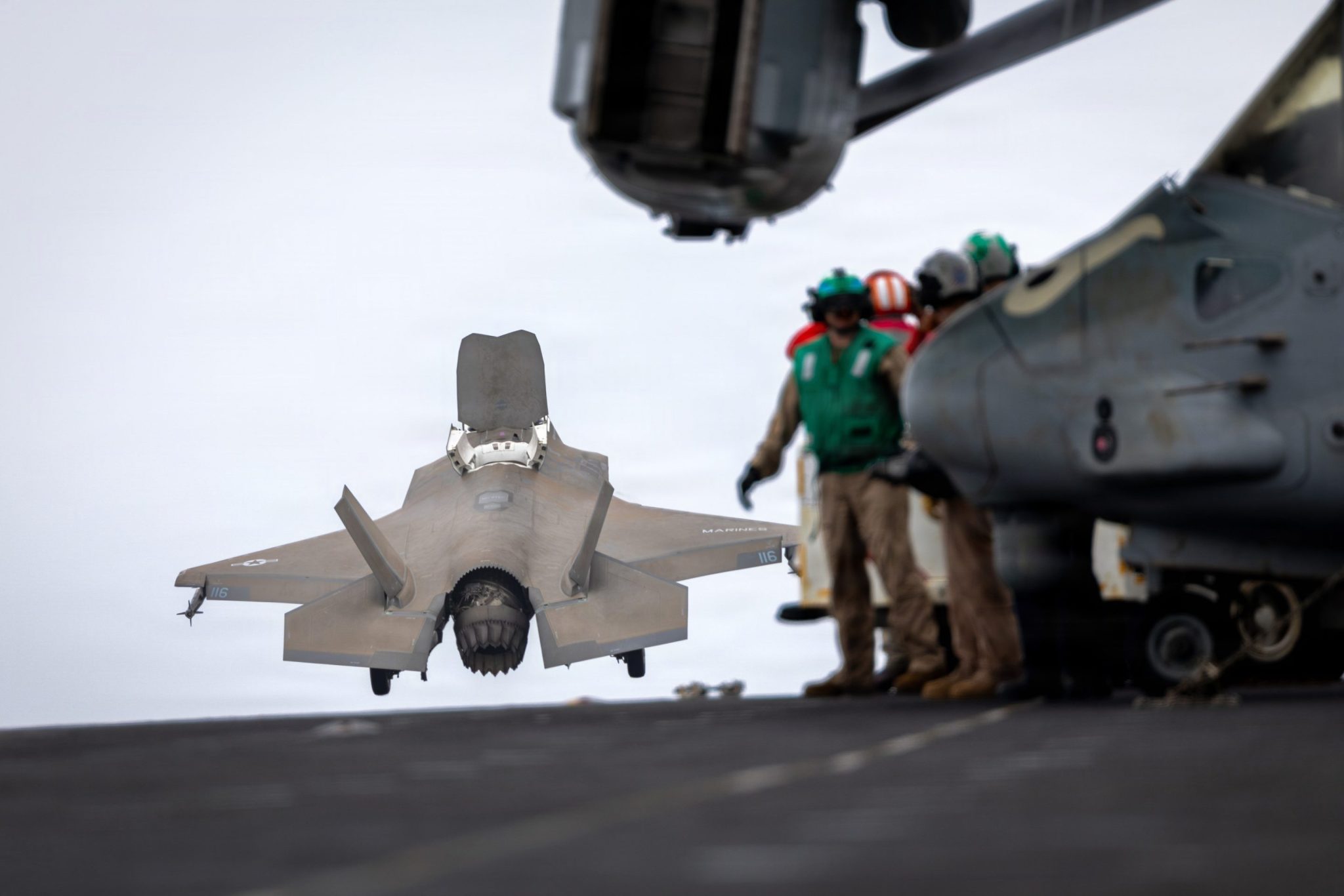
Hormuz talks and oil prices moved markets Sunday evening, as investors reacted to a pause in U.S.-Iran attacks and signs of diplomacy over reopening vessel traffic. U.S. stock futures rose, South Korea’s Kospi climbed and crude prices fell sharply, according to Fortune.
Futures tied to the Dow Jones industrial average gained 337 points, or 0.65%, Fortune reported. S&P 500 futures were up 0.80%, while Nasdaq futures rose 1.28%.
In Asia, South Korea’s Kospi advanced 74 points, or 1.1%, according to Fortune, which described the index as a recent bellwether for global equities. The move came as chipmakers SK Hynix and Samsung Electronics reached new agreements tied to artificial intelligence infrastructure.
Oil prices fell as traders assessed the chance of progress on Hormuz. Fortune reported that U.S. crude dropped 5.44% to $84.45 a barrel, while Brent crude declined 5.25% to $91.70. Gold rose 1.15% to $4,118 an ounce.
What is happening with Hormuz talks and oil prices?
President Donald Trump and Iranian officials have said the two sides are engaged in diplomacy after nearly two weeks of daily attacks, according to Fortune. Iran and Oman are also holding talks on a possible arrangement that would have Iran run vessel transit through the Strait of Hormuz with fewer restrictions on ships, Fortune reported.
The Strait of Hormuz is the narrow waterway at the center of the dispute over ship transit. Fortune reported that any progress toward reopening it would be expected to put more downward pressure on oil prices at a time when inventories are at critically low levels.
Fortune reported that the United States and Iran’s neighbors are unlikely to accept an arrangement that formally recognizes Tehran’s control over the waterway. The same report said Trump has few remaining options to ease oil-market pressure after military operations failed to reopen the strait.
The United States has sent more troops and aircraft to the Middle East in case Trump decides to resume major combat operations, according to Fortune. But Fortune reported that 40 days of all-out war and 13 days of limited strikes did not reopen the Strait of Hormuz.
Axios reported, citing sources, that U.S. Central Command chief Adm. Brad Cooper recommended ending the recent bombing campaign because it had reached the limit of its effectiveness. The New York Times reported that Gen. Dan Caine, chairman of the Joint Chiefs of Staff, privately warned that renewed major combat operations were possible but would risk draining Central Command’s interceptor stockpile to dangerously low levels if Iran retaliated.
Fortune reported that the pause marked a shift from the previous week, when Iranian attacks killed U.S. troops in Jordan and crossed Trump’s stated red line for resuming wider war. The Wall Street Journal reported last week that Trump had lost patience with Iran and was in “revenge mode,” before he ordered a pause on Friday.
Why are investors watching the Fed and tech earnings?
Wall Street is also preparing for the Federal Reserve’s policy meeting this week, Fortune reported. Policymakers are expected to debate whether to raise interest rates or leave them unchanged as the central bank keeps pressure on inflation.
The rate decision will feed into the AI trade, which Fortune reported has weakened as investors question large capital spending plans. Microsoft and Meta are scheduled to report earnings Wednesday, followed by Apple and Amazon on Thursday, according to Fortune.
Alphabet beat earnings estimates last week but disclosed negative cash flow tied to heavy spending, Fortune reported. Demand for AI capacity remains strong: SK Group Chairman Chey Tae Won said Anthropic asked SK Hynix for memory chip supplies, and Samsung Electronics won a contract worth more than $200 billion to make chips for Broadcom, according to Fortune.
This story draws on original reporting from Fortune.