
Gulf states weigh recovery after U.S.-Iran interim truce
A 60-day ceasefire extension and Hormuz shipping access could ease pressure on Gulf economies, but investors are watching whether a permanent deal follows.
By Daniel Okafor · Business Editor
3 min read
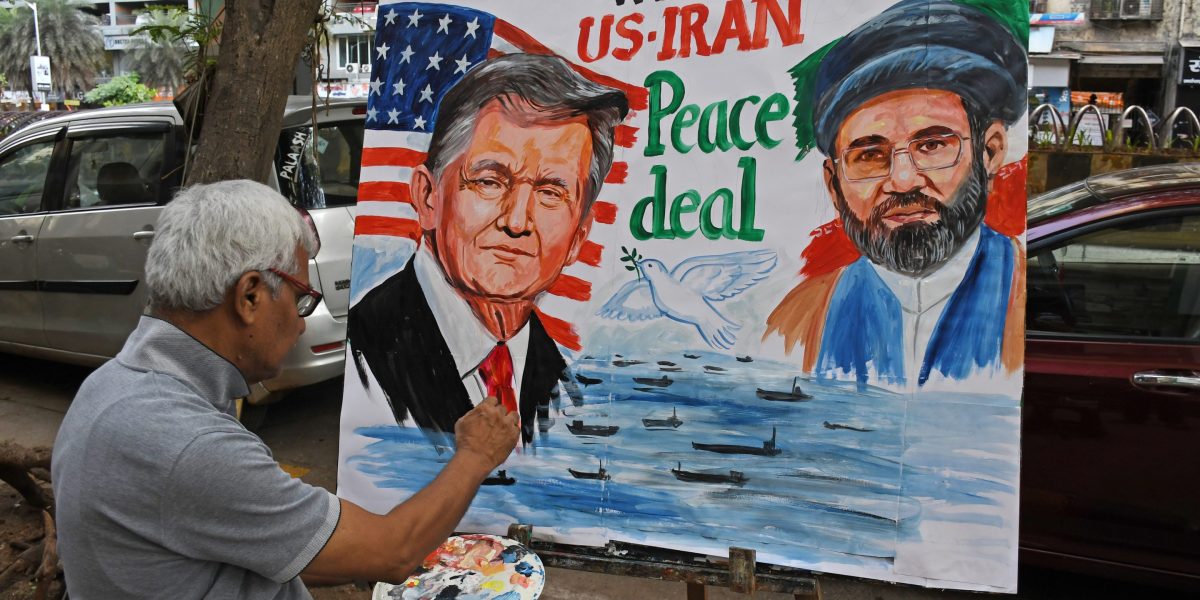
The U.S. and Iran have agreed to an interim deal that could give Gulf economies room to recover after more than 100 days of war, Fortune reported. The agreement matters most for regional security and energy flows, with Gulf Cooperation Council states having faced missile and drone attacks during the conflict.
According to Fortune, the memorandum of understanding was announced Sunday evening and is scheduled to be signed formally in Geneva on Friday. The deal provides for a 60-day extension of the ceasefire and free passage for shipping through the Strait of Hormuz, a route central to Gulf energy exports.
Fortune reported that the agreement has raised the question of how quickly the Gulf can rebound. The region has recovered from earlier disruptions, but the latest conflict has damaged confidence among residents and investors as well as physical assets.
Past recoveries offer a guide
Fortune pointed to Kuwait’s recovery after its 1991 liberation as one example of the Gulf’s capacity to restore economic activity after a severe shock. Studies cited by Fortune have stressed the role of sovereign wealth funds, oil income and strong government finances in supporting reconstruction.
Dubai’s recovery from the COVID-19 tourism crash provides a more recent comparison, according to Fortune. Data from Dubai’s Department of Economy and Tourism cited by Fortune showed the city drew 14.36 million international visitors by the end of 2022, equal to 86% of pre-pandemic levels, compared with a 63% global recovery rate.
Fortune attributed Dubai’s rebound partly to major events such as Expo 2020 and the Qatar World Cup, as well as its position as an aviation hub. The outlet also cited tax-free incentives and changes to visa and citizenship rules as factors that helped attract visitors and residents.
The comparison has limits. Fortune noted that war and a pandemic affect confidence in different ways, and that missile strikes have made some businesses more cautious about committing capital until the ceasefire proves durable.
Fiscal buffers remain a support
Fitch kept the credit ratings and stable outlooks of five GCC states unchanged at the end of May, excluding Oman, according to Fortune. The ratings agency cited large fiscal buffers as protection against economic shocks.
Fortune reported that Saudi Arabia has reduced the scale of some large projects, but said Gulf governments still have enough financial capacity to keep pursuing economic diversification plans. The outlet also said the UAE’s exit from OPEC gives it more near-term liquidity and budget flexibility.
Energy production remains a central test. Wood Mackenzie estimates that fields affected by the Strait of Hormuz closure could recover to 70% of pre-conflict output within three months and 90% within six months, assuming operators increase production cautiously, Fortune reported.
Shipping may be harder to restore than production. Fortune reported that safe passage through the Strait of Hormuz remains a key risk, and that the most difficult political issues between Washington and Tehran are still due to be addressed during the 60-day window.
JPMorgan has raised and deployed $20 billion into the Gulf since the start of the Iran war, according to Fortune, which cited comments to The National by Doug Petno, the bank’s co-chief executive of commercial and investment banking operations. Fortune reported that JPMorgan expects hundreds of billions of dollars will be needed for reconstruction and diversification, and plans to double its Gulf headcount over the next three to five years.
This story draws on original reporting from Fortune.