
Butter yellow trend points to anxious but spending consumers
Search and retail data show the soft yellow shade spreading across fashion, beauty and nostalgia-driven purchases this summer.
By Hana Yoshida · Markets Reporter
3 min read
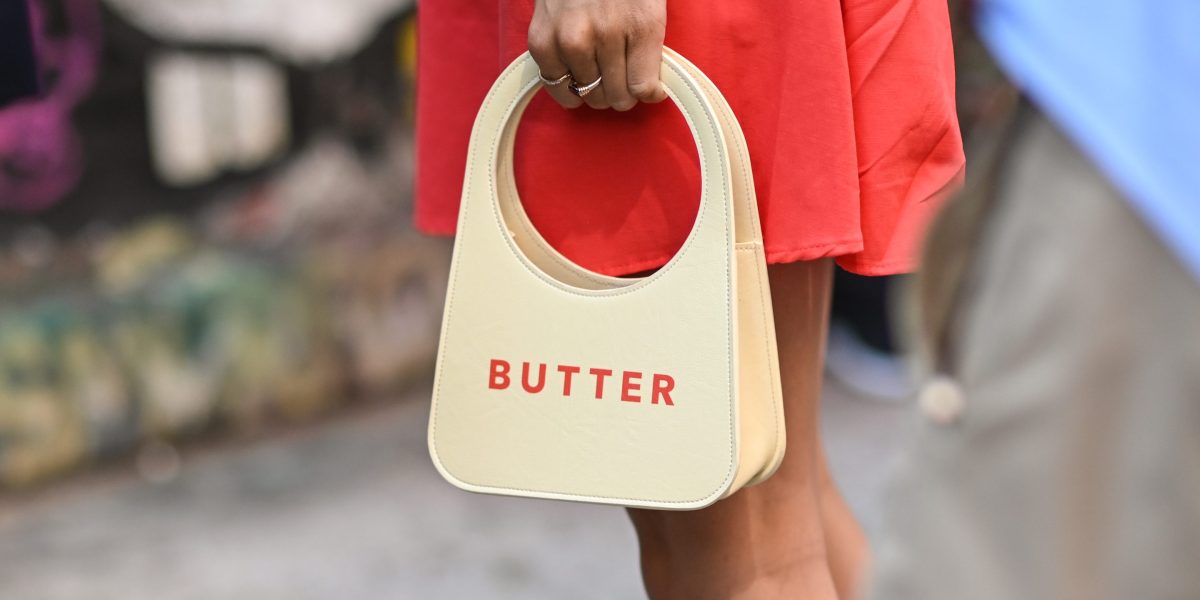
Butter yellow has become one of summer 2026’s visible consumer trends, turning up in clothing, manicures, runway collections and online shopping. Fortune reported that the shade’s spread matters because retailers and forecasters are reading it as a signal of consumers seeking comfort while still spending.
Search interest in “butter yellow dress” and “butter yellow nails” reached record levels in June, according to Fortune, which said “butter yellow nails” has now peaked in June for three straight years. Fortune also reported that searches for “butter summer” more than doubled in one week.
The trend has moved across several consumer categories. Fortune cited spring runway use by Chanel and Valentino, Amazon listings for butter-yellow apparel and accessories, and beauty coverage from Elle and The Zoe Report naming the color as a leading nail shade for summer 2026.
Nostalgia and small luxuries
Fortune linked the color’s popularity to a broader nostalgia cycle, including renewed attention to the 1991 film “Father of the Bride,” pineapple Kool-Aid and online interest in “90s butter mom movies.” The magazine described those patterns as overlapping millennial parent nostalgia with Gen Z interest in 1990s style.
Consumer behavior researchers have long tracked small indulgences during weaker economic periods. Fortune cited the “lipstick effect,” a term used to describe consumers buying affordable treats when larger purchases feel out of reach, and a 2019 Journal of Retailing and Consumer Services study that found cosmetics spending rose among women ages 18 to 40 during the Great Recession.
Google’s 2026 consumer research said shoppers are feeling anxious, worried and tired, and are responding by seeking near-term rewards and experiences that support their well-being. Fortune said that backdrop helps explain why a warm, familiar color could gain traction while households face high interest rates, housing costs and job worries tied to artificial intelligence.
Millennials are a key audience
Millennials are central to the spending story. Fortune cited eMarketer and Capital One Shopping data showing millennial retail spending at $1.127 trillion a year, or 28.3% of U.S. retail spending.
Those data, as cited by Fortune, put average annual millennial retail purchases at $31,256, 6.16% above the average consumer. Fortune also cited Numerator data showing millennial households make up more than a quarter of U.S. households, with younger millennials seeing the sharpest recent rise in homeownership.
Fortune said that makes nostalgia commercially useful: a color associated with kitchens, family films and childhood snacks can appeal to consumers now buying for homes, families and wardrobes. The publication cited research from Porch Group Media saying experiences and emotional connection have become high priorities for millennial consumers.
Algorithms speed the cycle
Trend forecaster WGSN reported that global searches for “butter yellow” rose 324% year over year from February through May, Fortune said. WGSN attributed the increase to consumers looking for comfort, optimism and nostalgia during uncertain times.
Fortune also cited Highsnobiety’s observation that some butter-yellow garments now reaching stores were designed two years earlier. The magazine said recommendation systems and search platforms may have accelerated an existing retail cycle by quickly feeding the color back to shoppers through social, search and e-commerce tools.
There are limits to treating butter yellow as an economic warning sign. Fortune cited a 2025 Style Analytics meta-analysis that compared 20 years of Google Trends data with consumer confidence and found stronger recession correlations for mini skirts and blazers than for soft nostalgic colors.
Fortune’s conclusion was that butter yellow may reflect anxiety more than actual consumer retreat. For retailers, the signal points to shoppers who may still have money to spend but want products that feel familiar, tactile and calming.
This story draws on original reporting from Fortune.