
Grocery inflation impact leaves families cutting meat and chasing deals
Food-at-home prices are up 33% since early 2019, forcing shoppers to use coupons, food banks and cheaper substitutions.
By Maya Lindqvist · Senior Technology Correspondent
3 min read
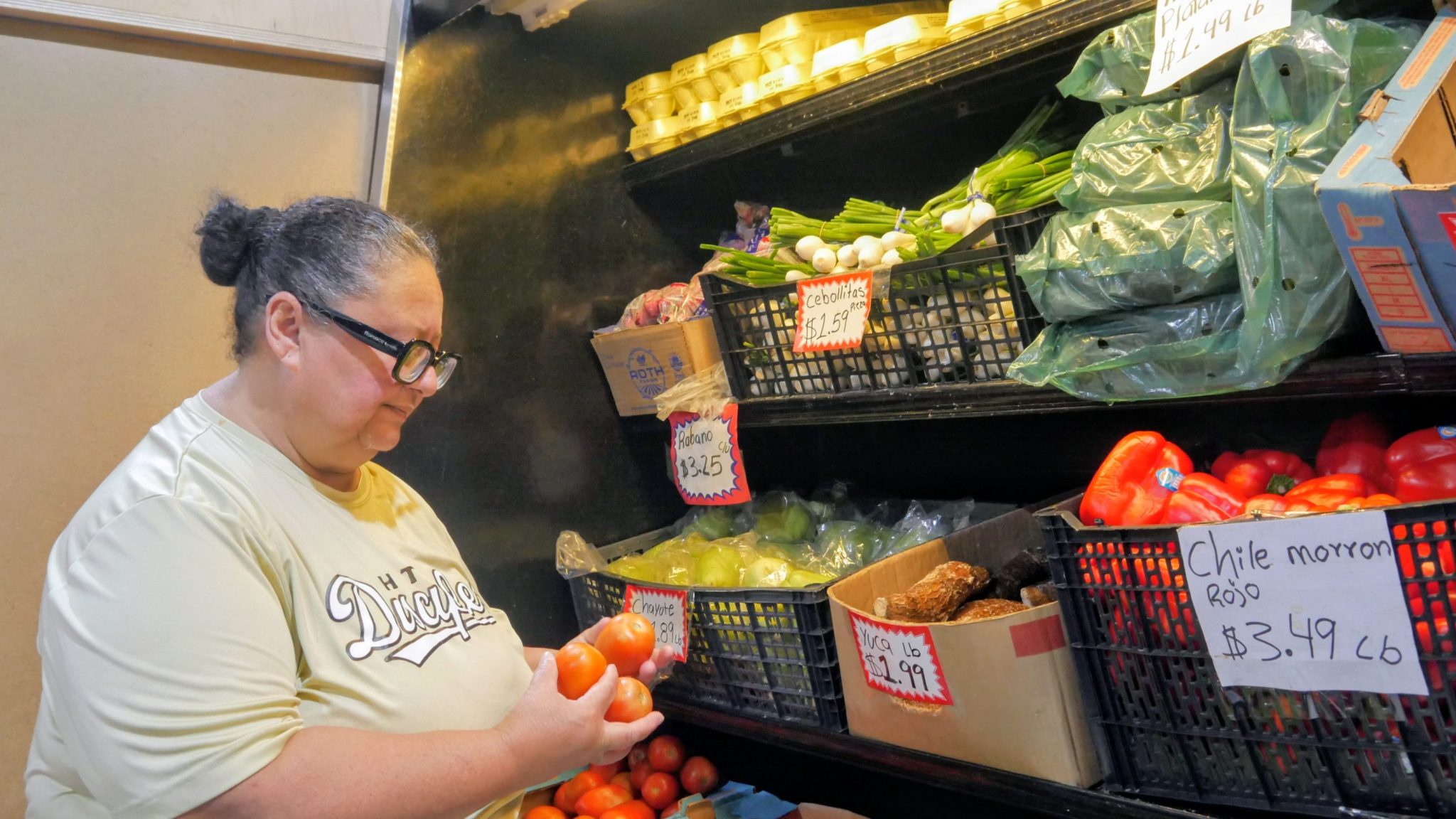
The grocery inflation impact is showing up in American shopping carts, where families are buying what is on sale, switching brands and cutting back on foods they once bought routinely. Government figures cited by The Associated Press show food eaten at home has become 33% more expensive since the start of 2019, the steepest increase in about 50 years.
The pressure has made grocery affordability a political issue ahead of the fall midterm elections, the AP reported, while conflict in the Middle East has added more strain through energy and shipping costs. In interviews across four urban areas where food inflation has run above the national average, shoppers described changing menus and relying more on discounts or aid.
How are families coping with grocery inflation?
Families told the AP they are comparing prices across stores, planning meals around digital coupons, buying store brands and giving up nonessential items such as cookies. Some are buying less meat, and some are buying less food overall.
In Lexington, Massachusetts, 50-year-old Apral Jack checks a supermarket app for deals before shopping and scans the weekly circular when she arrives at Stop & Shop. Jack, a care provider and part-time Amazon worker, now builds meals around discounts, including chicken fajitas when chicken was part of a short sale, the AP reported.
Jack has stopped buying some name-brand snacks, including Nabisco Ginger Snaps and Nilla Wafers, but she told the AP she does not want store-brand substitutes because they do not taste the same. She also shops more selectively than she did when she bought groceries at Whole Foods.
Beef prices change dinner in Texas
Beef has become a marker of the squeeze for many shoppers. Bureau of Labor Statistics data cited by the AP show ground beef reached $6.82 a pound in June, up 79% from the beginning of 2019.
Ada Torres, 60, of Cleveland, Texas, about 45 miles northeast of Houston, told the AP she no longer buys fresh beef for the household she shares with her daughter and three grandchildren. Chicken and cold cuts have become the family’s main animal proteins, replacing meals such as ground-beef lasagna, beef fajitas and steak with plantain chips.
Torres said her daughter is the family’s main earner, but work with a mobile car-washing service slows during the rainy season. The family can afford only one full meal a day, she told the AP.
Food aid fills gaps in San Francisco
In San Francisco, 33-year-old self-employed barber Jack Chang supports three young children and a partner who is unemployed, the AP reported. Chang said he watches his credit card bill climb and has fallen behind on bills.
Chang’s partner, Tina Chhous, receives monthly help through the Supplemental Nutrition Assistance Program, known as SNAP, a federal food benefit program. Chang’s 77-year-old mother, Lien, also receives SNAP and visits two food banks each week, sharing canned goods, eggs and produce with the family.
Hawaii shoppers face shipping costs
High food costs are a long-running burden in Hawaii because the state gets nearly all of its food by cargo ship, the AP reported. Local products also became more expensive this year as fuel prices linked to the Iran conflict raised the cost of moving goods between islands.
Amanda Tabadero, a 28-year-old pastry chef on Oahu, told the AP she used to buy Maui-grown strawberries and blueberries for $7.99 a pound in 2024. With the price now at $11, she buys berries from California or Mexico at Costco for $5 when she bakes.
Tabadero also said she is unlikely to buy lychee again soon after an iced coffee and a bag of fruit in Honolulu’s Chinatown cost $30. “It makes me sad,” she told the AP. “I want to use local stuff.”
The reporting was produced by The Associated Press with The Lexington Observer in Massachusetts, La Esquina in Texas and Honolulu Civil Beat in Hawaii. AP video journalist Terry Chea contributed from San Francisco.
This story draws on original reporting from Fortune.