
Gas hits $4 as Iran conflict lifts oil and strains household budgets
AAA data showed regular gasoline at $4 a gallon as oil markets priced in renewed risk from the U.S.-Iran conflict.
By Maya Lindqvist · Senior Technology Correspondent
3 min read
U.S. gasoline prices reached $4 a gallon as renewed fighting between the United States and Iran pushed oil markets higher, according to AAA data cited by Fortune. The move matters because fuel is a direct hit to household budgets and a key piece of the inflation picture watched by economists and the Federal Reserve.
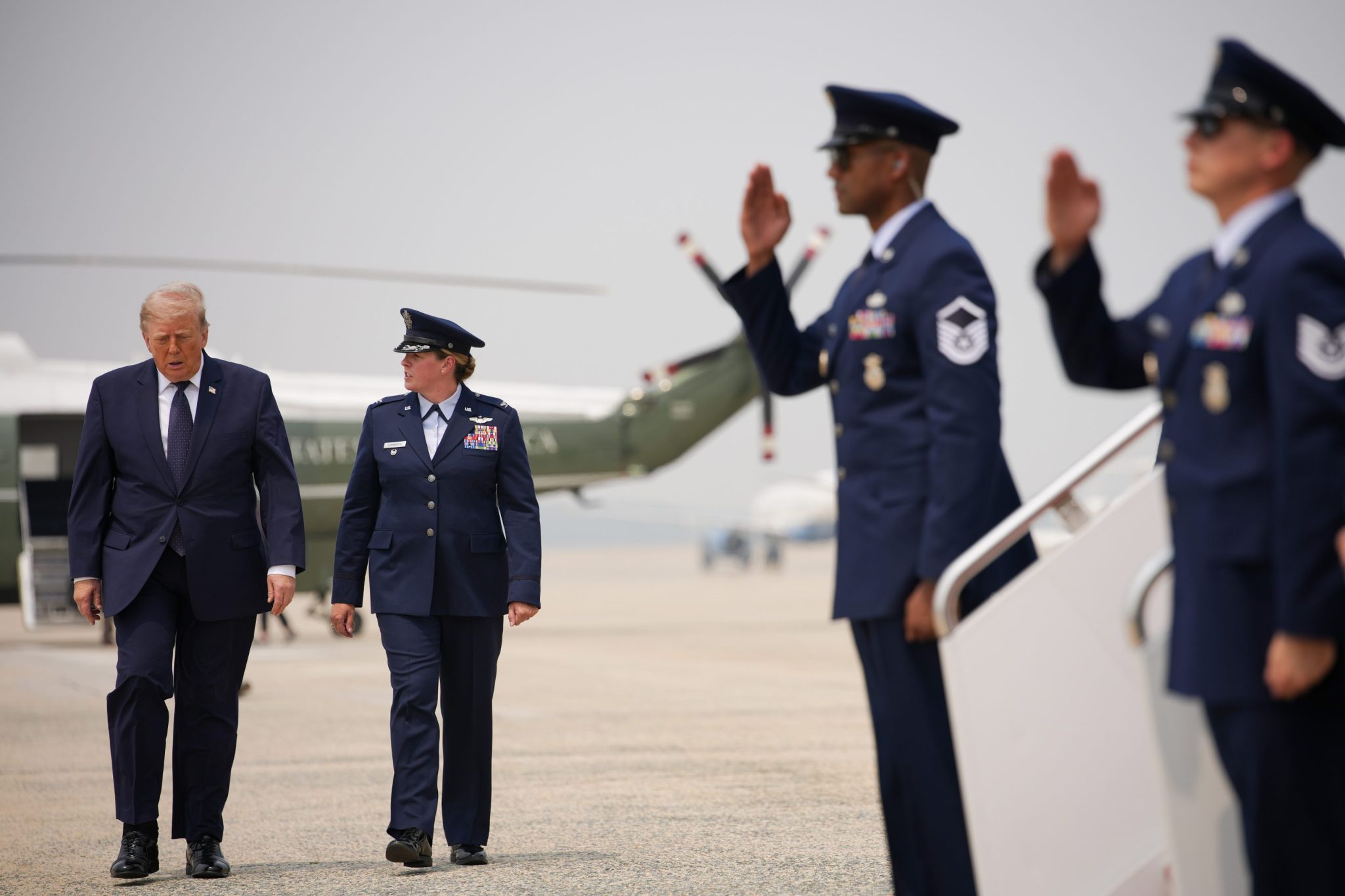
The U.S. continued strikes on Iran over the weekend, Fortune reported. President Trump said the action was “in honor” of three American soldiers killed in recent days, according to Reuters video cited by Fortune.
AAA data showed the national price for a gallon of regular gasoline at $4 on Monday morning, up from just below that level a day earlier, Fortune reported. The same AAA data put the price at $3.87 a week earlier and $3.14 a month earlier.
Oil prices also remained elevated. Fortune reported that Brent crude was at $88 a barrel Monday morning after reaching $91 overnight.
Households are absorbing the fuel shock
UBS economist Paul Donovan warned in a client note Monday that higher oil costs are reaching consumers quickly. He wrote that households have responded by cutting monthly savings rather than reducing other spending, according to Fortune.
Donovan said that pattern can continue for a while but has limits if oil remains expensive. He described the risk as an “economic gravity” problem, comparing it with the Wile E. Coyote cartoon image of a character suspended in midair after running past a cliff edge before falling.
That warning lands after several years in which U.S. households have already faced persistent inflation, Fortune reported. Higher gasoline costs can tighten budgets fast because many consumers cannot easily reduce commuting and other routine fuel use.
Hormuz risk keeps markets on edge
Fortune linked the price pressure to Iran’s proximity to the Strait of Hormuz, a major route for Persian Gulf oil exports. The report said ships have been reluctant to move through the waterway despite Trump’s assertion that it is controlled by the United States.
With supply flows constrained while demand remains steady, prices have moved higher, according to Fortune. CME Group data cited by Fortune showed crude oil futures up about 1.5% over the next three months to more than $80 a barrel.
The same CME Group data indicated that markets do not expect prices to fall back to $70 a barrel until December 2027, Fortune reported. That pricing suggests traders are not assuming a quick return to lower energy costs.
Economists see two paths for inflation
Goldman Sachs chief U.S. economist Jan Hatzius wrote that oil prices could retreat sharply if the latest escalation fades, according to a note cited by Fortune. He said the quick rebound in Gulf export flows before the latest fighting showed that shipments can recover when conditions allow.
Hatzius also warned that further attacks on tankers and Middle East infrastructure could send prices back above $100 a barrel, Fortune reported. Goldman expects core personal consumption expenditure inflation to slow near the Federal Reserve’s 2% target in 2027, helped by lower contributions from software, accessories, energy and tariffs.
Hatzius wrote that Fed Chairman Kevin Warsh would need to explain the central bank’s economic outlook and policy response in more detail to keep financial conditions from moving too far, according to Fortune.
This story draws on original reporting from Fortune.