
Fed rate decision July 2026: Warsh faces hold-or-hike call
Analysts expect the FOMC to keep rates steady this week, but inflation, oil prices and Middle East tensions leave a hike on the table.
By Maya Lindqvist · Senior Technology Correspondent
3 min read
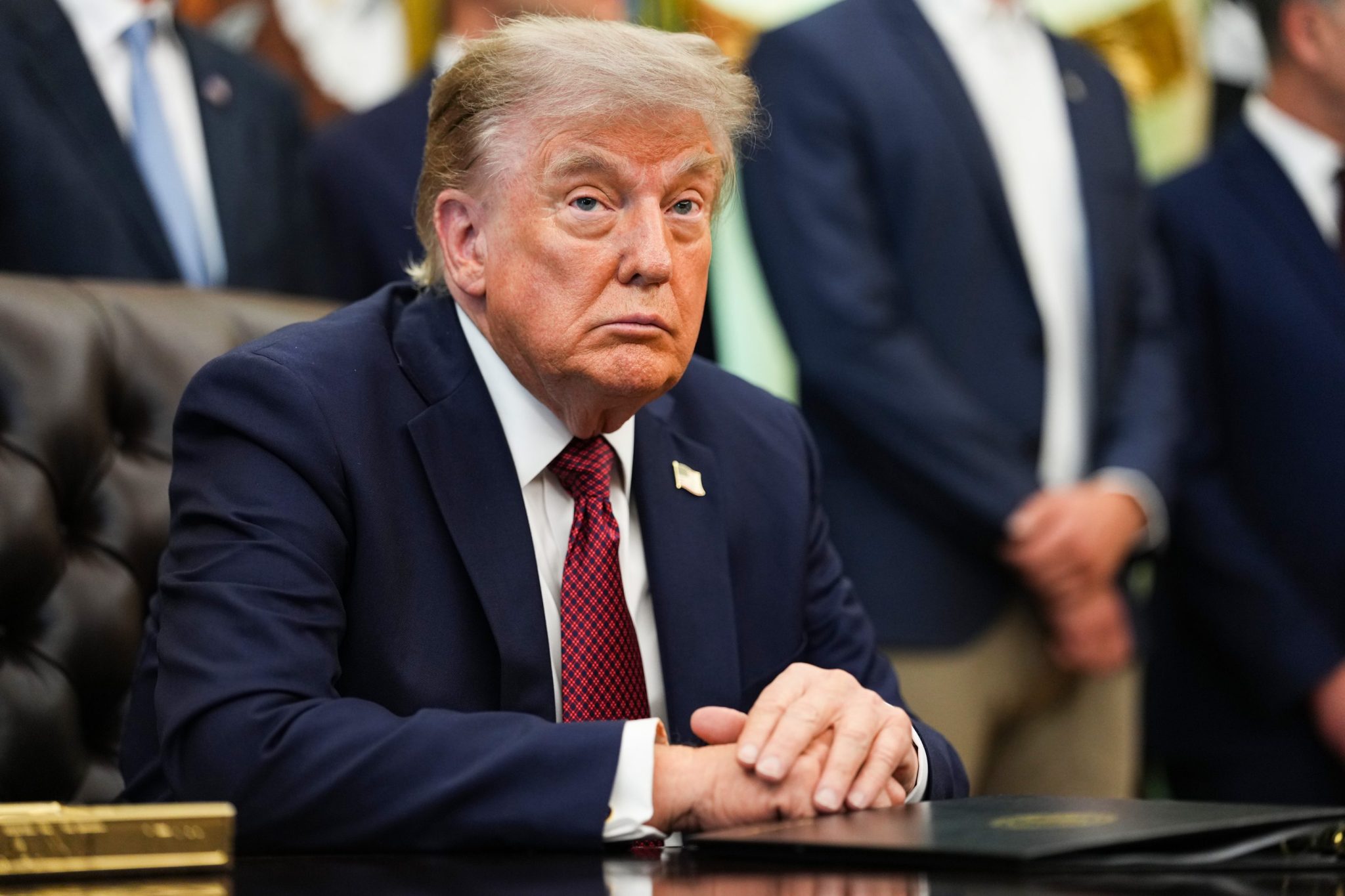
The Fed rate decision July 2026 is shaping up as a test of Chair Kevin Warsh’s inflation stance, with Wall Street analysts expecting the Federal Open Market Committee to hold rates steady or consider another increase. The decision matters because President Trump has pressed for lower borrowing costs, while recent inflation data remains above the central bank’s goal.
The FOMC is scheduled to meet Tuesday and Wednesday to review its dual mandate of maximum employment and inflation at 2%, according to the central bank’s policy framework described in the report. The inflation side remains the harder part of that job.
The Bureau of Labor Statistics reported that consumer prices were up 3.5% over the year ended in June 2026. That was lower than the May-to-June pace cited in the report, but still above both the Fed’s target and the level seen at the start of the year.
Will the Fed raise interest rates this week?
Most interest-rate traders do not expect an increase at this week’s meeting. CME’s FedWatch tool, which is based on 30-day federal funds futures prices, showed 68.5% of traders expecting no change, while the remaining share expected a quarter-point increase to a 3.75% to 4% target range.
Bank of America’s chief U.S. economist, Aditya Bhave, and his team wrote that their base case is a hold this month. They said markets were pricing nearly 10 basis points of July hikes, leaving Warsh with a difficult decision.
“Not hiking could challenge the Fed’s credibility on inflation,” the Bank of America team wrote. “But raising rates would go against his framework of looking through supply shocks.”
Bank of America said July appears to be Warsh’s decision because he has enough votes either way. The bank still expects three 25-basis-point rate increases later this year, in September, October and December.
Why oil prices are part of the rate debate
Fuel prices are one reason inflation has stayed elevated. The Bureau of Labor Statistics reported fuel prices were up 15.7% from a year earlier, even though they fell 4.9% from May to June.
The report tied those higher fuel costs to constrained global oil supply linked to conflict in the Middle East. Fortune reported that Washington and Tehran are not currently in active military conflict after fighting over the past two weeks, but no official ceasefire has been announced.
Fortune also reported that neither side has indicated it will give ground over control of the Strait of Hormuz, a major oil shipping route. That keeps energy costs tied to foreign-policy risks as the Fed weighs whether recent price pressure will fade or require tighter policy.
Why Warsh’s credibility is under scrutiny
Warsh’s position is being watched because Trump had criticized his predecessor, Jerome Powell, and has pushed for lower rates, according to the report. Analysts and politicians have questioned whether Warsh would support the president’s preferred path even if inflation data pointed the other way.
So far, the report said, Warsh has not done that. But reluctance to raise rates when inflation warrants it could also raise questions about the Fed’s independence and credibility.
EY-Parthenon chief economist Gregory Daco wrote that Warsh’s limited public signaling has left other policymakers speaking more firmly. Daco said their message has centered on diminishing patience after repeated upside inflation surprises.
If inflation fails to move back toward 2% and remains high because of supply shocks, artificial-intelligence-related demand, tariffs or the Middle East conflict, Daco wrote, “the case for additional policy firming will be clear.”
This story draws on original reporting from Fortune.