
FDA peptide review draws telehealth companies' attention
An FDA advisory panel will review seven wellness peptides this week, a decision that may open a new lane for compounding pharmacies and telehealth firms.
By Maya Lindqvist · Senior Technology Correspondent
3 min read
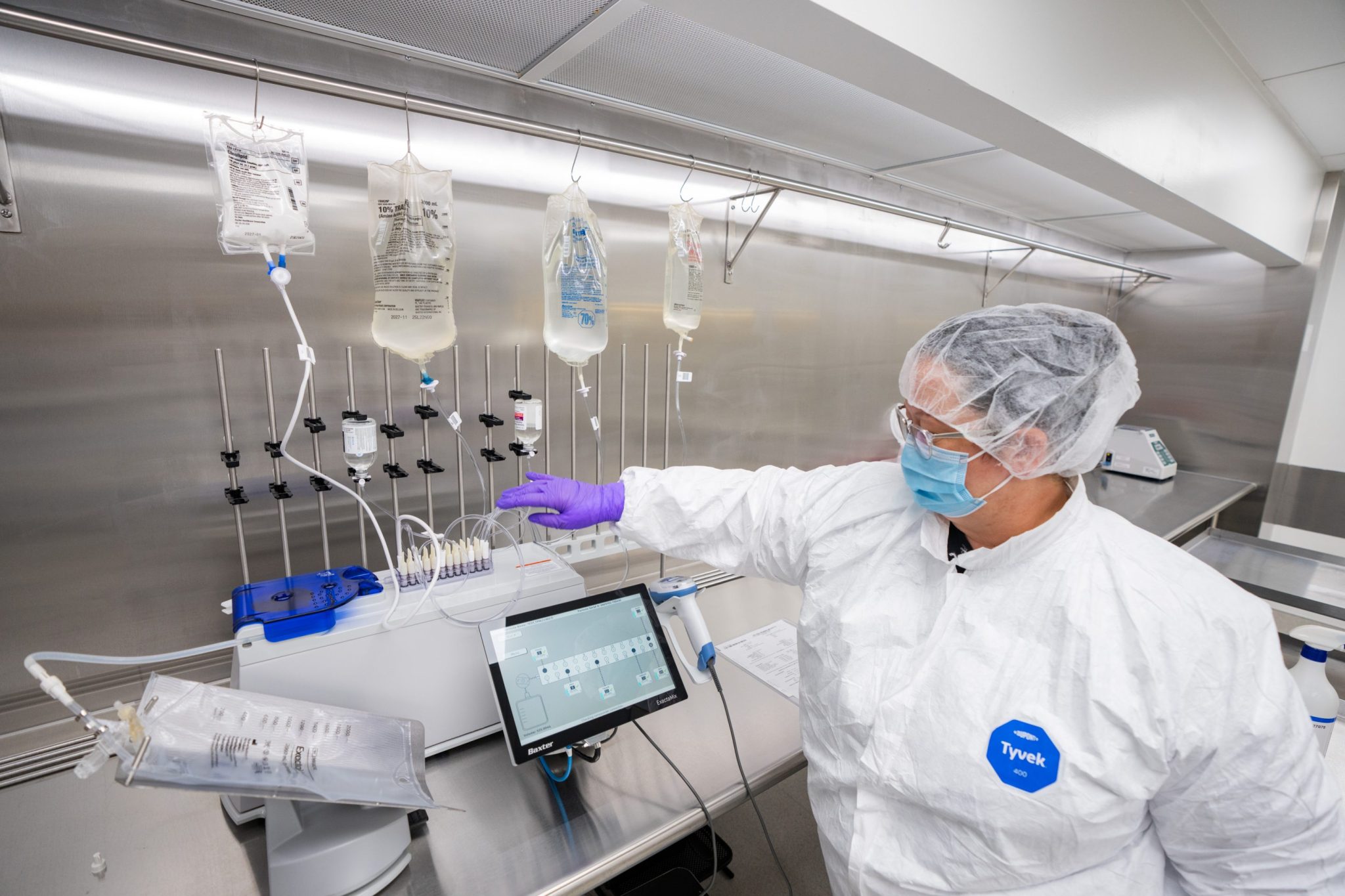
The Food and Drug Administration’s compounding advisory committee is set to review seven peptides on July 23 and 24 for possible use by specialty compounding pharmacies. The decision matters for telehealth companies because a favorable outcome could give them a new category after the boom in compounded weight-loss drugs began to narrow.
Peptides are small protein fragments that some consumers inject for goals such as faster recovery, more energy or anti-aging, according to Fortune. The products at issue include BPC-157 and TB-500, two injectables that have gained attention in biohacking and alternative health circles, Fortune reported.
The FDA review centers on whether certain peptides can be legally mixed by specialty pharmacies, according to the agency process described by Fortune. If approved for compounding, the products could move from gray-market channels into more formal prescribing and pharmacy systems.
Telehealth firms look beyond GLP-1s
Hims & Hers is one company watching the FDA process closely. The company built part of its business around pharmacy-compounded versions of Ozempic and Wegovy, Fortune reported, before the FDA said the shortage of those drugs had ended and later proposed keeping semaglutide, tirzepatide and liraglutide off a compounding list.
A final FDA decision on that GLP-1 compounding issue has been pushed to July 30, according to Fortune. Hims & Hers has faced pressure as the regulatory opening around compounded GLP-1s has tightened, and the company has been broadening its business.
Hims & Hers chief medical officer Dr. Anant Vinjamoori will testify at the FDA hearing on Thursday, the company confirmed to Fortune. In an April statement, Hims said it was looking at expanded peptide access and said it “believes certain peptide therapies hold meaningful potential in helping Americans live healthier lives.”
Michelle Davey, chief executive of telehealth infrastructure company Wheel, told Fortune she expects large telehealth platforms to move quickly if the FDA permits peptide compounding. Davey said those companies would likely source from pharmacies with stronger oversight and accountability.
Davey also pointed to Needham research that estimated the addressable peptide market at about $30 billion, including gray-market use, GLP-1 add-ons and broader health-optimization products, according to Fortune.
Safety questions remain
The peptide market differs from the GLP-1 market in one major way, according to Fortune: many users take several compounds at the same time rather than one weekly injection. Fortune reported that there is little long-term safety data on those combinations because many popular peptides have not been tested in large controlled human trials and are sold outside standard drug-approval channels as research chemicals.
Davey told Fortune she expects a wave of new telehealth sites offering peptide programs if the FDA gives the category room to grow. She compared the pattern to the rise of online GLP-1 clinics, saying larger, better-funded platforms would likely compete against smaller operators on cost and credibility within months.
Jon Keidan, founder and managing partner of Torch Capital, told Fortune he sees regulatory compliance as central to the next phase of the market. “Everyone wins when there’s compliance,” Keidan said, adding that consumers would get sterile, verified and properly dosed products while regulators could monitor demand through formal channels.
Keidan said the demand for peptides is unlikely to disappear regardless of how the FDA advisory committee votes, according to Fortune. The question for regulators and companies is whether that demand shifts into doctor-led, regulated systems or stays in the gray market.
This story draws on original reporting from Fortune.