
Europe winter gas shortage fears rise as Iran war strains LNG
Wood Mackenzie warns low storage, Qatari LNG outages and rising demand could drive winter price spikes across Europe and Asia.
By Maya Lindqvist · Senior Technology Correspondent
3 min read
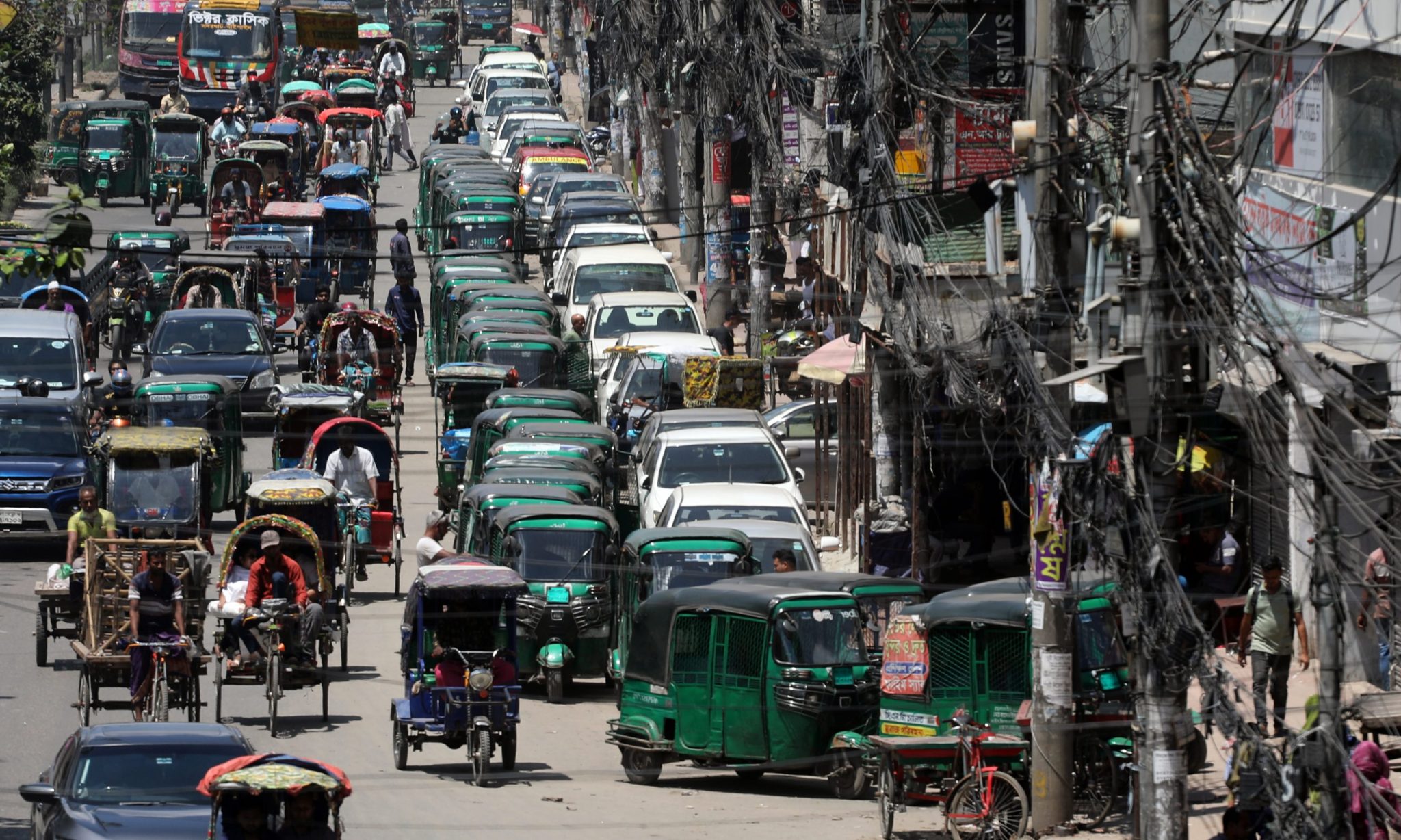
Europe winter gas shortage fears are building during record heat across Europe and much of Asia, as the war in Iran and Middle East supply disruptions limit liquefied natural gas shipments before winter, Fortune reported. Analysts say the concern is immediate because import-dependent countries have been unable to rebuild gas inventories fast enough during the summer.
The war began at the end of February, Fortune reported, missing the previous winter heating season. Since then, outages affecting Qatari LNG and stronger-than-usual summer demand have tightened the market, leaving countries in Europe, Asia and northern Africa to compete for limited cargoes.
David Lewis, senior analyst for gas and LNG at Wood Mackenzie, told Fortune that the outlook had worsened after mild weather earlier in the year gave Europe and Asia confidence that supplies would be manageable. “It’s pretty dire. It’s going to be a tough winter, period,” Lewis said.
What is causing the Europe winter gas shortage risk?
The main pressure points are low European storage, reduced Qatari LNG availability, high summer power demand and restricted movement through the Strait of Hormuz, according to Fortune and Wood Mackenzie. Winter heating demand is expected to lift gas use just as buyers have fewer shipments available to refill inventories.
Rystad Energy data cited by Fortune showed how quickly prices have diverged. U.S. natural gas prices, supported by ample supply, were largely steady last week, while European spot prices rose nearly 26%.
Rystad also found that Europe’s benchmark gas price was more than seven times the U.S. price, and European spot prices were already more than 50% above their June lows. Lewis said the winter market could force Europe, Asia and countries such as Egypt to bid against one another for LNG, increasing the chance of sharper price spikes.
Europe’s storage problem
Wood Mackenzie said Europe is still “approaching energy crisis territory,” according to Fortune. The region’s gas storage is just above 50% full, a low level for late July.
Wood Mackenzie’s best-case estimate has Europe reaching 75% storage by November, Fortune reported. That would still fall short of the 90% level storage is supposed to reach by that point.
Lewis told Fortune that northwestern European countries, including Germany and the Netherlands, face larger shortfalls. Europe uses nearly 20% less natural gas for electricity than it did five years ago, but it also has less coal-fired power available as a substitute during shortages.
Plans to further restrict Russian LNG supplies add another complication, Fortune reported, because those volumes could be needed during the winter. Lewis said that in severe cases, authorities could have to ration gas.
Asia could face the steepest impact
Lewis told Fortune that southeastern Asian countries including Bangladesh and Pakistan may be hit hardest because they already face gas shortages and may not be able to outbid European buyers. Europe is expected to face major price increases, though Fortune reported that Lewis does not expect a repeat of the 2022 shock after Russia invaded Ukraine.
Some Asian countries could instead face temporary grid failures, Lewis said. Qatar, one of the three largest LNG exporters along with the United States and Australia, suffered serious infrastructure damage early in the Iran war, and Fortune reported that those supplies are not expected to recover until late 2027.
The Strait of Hormuz remains largely closed, Fortune reported, limiting even the Qatari cargoes that are still operational. Lewis said the disruption has moved beyond a brief price jump and could affect two or three winters.
This story draws on original reporting from Fortune.