
EEOC federal class complaints freeze challenged in prison harassment lawsuit
A union and two prison officers say the EEOC unlawfully paused federal-worker class discrimination cases with no public explanation.
By Daniel Okafor · Business Editor
3 min read
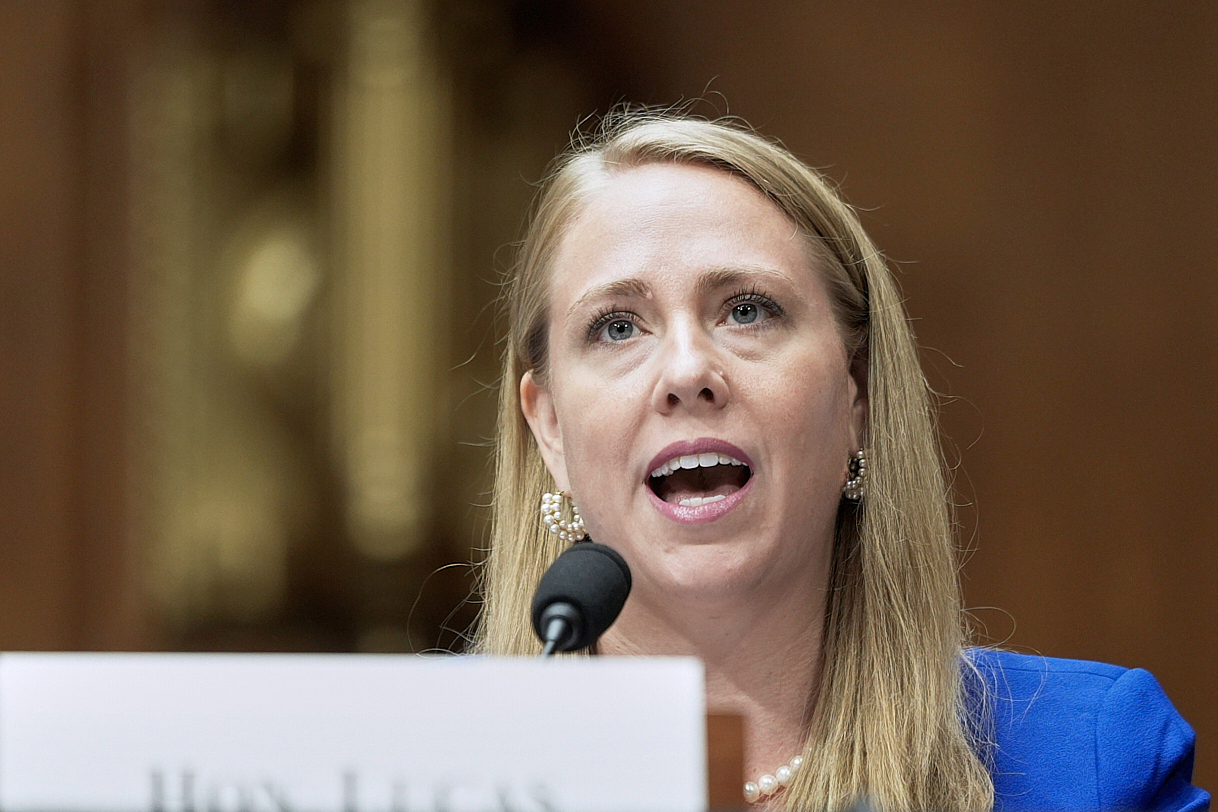
A union and two female correctional officers sued the Equal Employment Opportunity Commission, alleging an unlawful freeze on EEOC federal class complaints has stopped their sexual harassment case. The lawsuit matters because it claims the agency has halted an entire category of discrimination proceedings brought by federal employees.
The case was filed by Deanna Chelette and Alexzandria Boyd, correctional officers at a federal prison in Louisiana, along with the American Federation of Government Employees, the largest union representing federal workers. Their pending class complaint against the Federal Bureau of Prisons accuses prison management of failing to prevent and address widespread sexual harassment by inmates toward female staff.
According to the lawsuit, the alleged harassment included rape threats, unwanted touching and nudity. The complaint also included declarations from eight other women and estimated the class would cover at least 182 women at the Federal Correctional Complex at Pollock.
Why are EEOC federal class complaints paused?
The reason is not clear. The lawsuit says the EEOC directed administrative judges to suspend all federal-sector class complaints indefinitely, but the agency has not publicly disclosed the directive or explained why it was issued.
The Associated Press reported that the EEOC referred questions to the Department of Justice, which declined to comment. The Federal Bureau of Prisons did not respond to requests for comment, according to the AP.
Federal-sector discrimination complaints follow a separate administrative process from private-sector cases. EEOC administrative judges handle complaints filed by federal employees, and the lawsuit argues the agency’s own rules require it to process those claims promptly.
In the prison workers’ case, Administrative Judge Erania Ebron certified the class in March 2025, according to the lawsuit. In December, Ebron issued a notice saying the case was paused until further notice.
The plaintiffs are asking a court to vacate the suspension directive. Their lawyers wrote in the filing that the EEOC had offered “no reasoned explanation for a blanket policy that halts an entire category of discrimination cases.”
Joseph Sellers, co-chair of Cohen Milstein Sellers & Toll’s civil rights and employment practice and a lawyer for the plaintiffs, said the lack of an explanation made the agency’s purpose hard to determine. He also said the move appeared to fit a broader effort at the EEOC to weaken workers’ ability to enforce civil rights protections.
Heidi Burakiewicz, founding partner at Burakiewicz & DePriest and another attorney for the plaintiffs, said management at the prison had become less likely to take corrective action during the pause. She said that sends inmates a message that harassment and abuse of female staff will not be addressed.
The lawsuit says Chelette, Boyd and other women have faced, or remain at risk of, continuing and worsening harassment while the case has been stalled for seven months. It says they have no information about when the proceeding may resume.
The number of affected cases is unknown. Attorneys for the plaintiffs said they represent federal workers in at least five other stalled class complaints, including cases involving the FBI and the Department of Defense.
Federal workers may leave the EEOC process and file in federal court, according to the lawsuit. The plaintiffs’ attorneys said doing so would require them to rebuild the case, including seeking class status again, a process they said could take years.
The dispute comes as the EEOC under President Donald Trump has changed civil rights enforcement priorities, according to the AP. Those changes include focusing on cases targeting diversity and inclusion policies, dropping cases involving transgender workers and moving away from long-used tools for investigating systemic discrimination; EEOC Chair Andrea Lucas has said she is pursuing an “even-handed” and “colorblind” approach to workplace civil rights.
This story draws on original reporting from Fortune.