
Saudi Palestinian statehood role grows as Rome talks focus on two-state plan
Saudi Arabia’s position links recognition of Israel to a sovereign Palestinian state, Nawaf Obaid writes amid Rome talks.
By Lucas Ferreira · Science & Environment Writer
3 min read
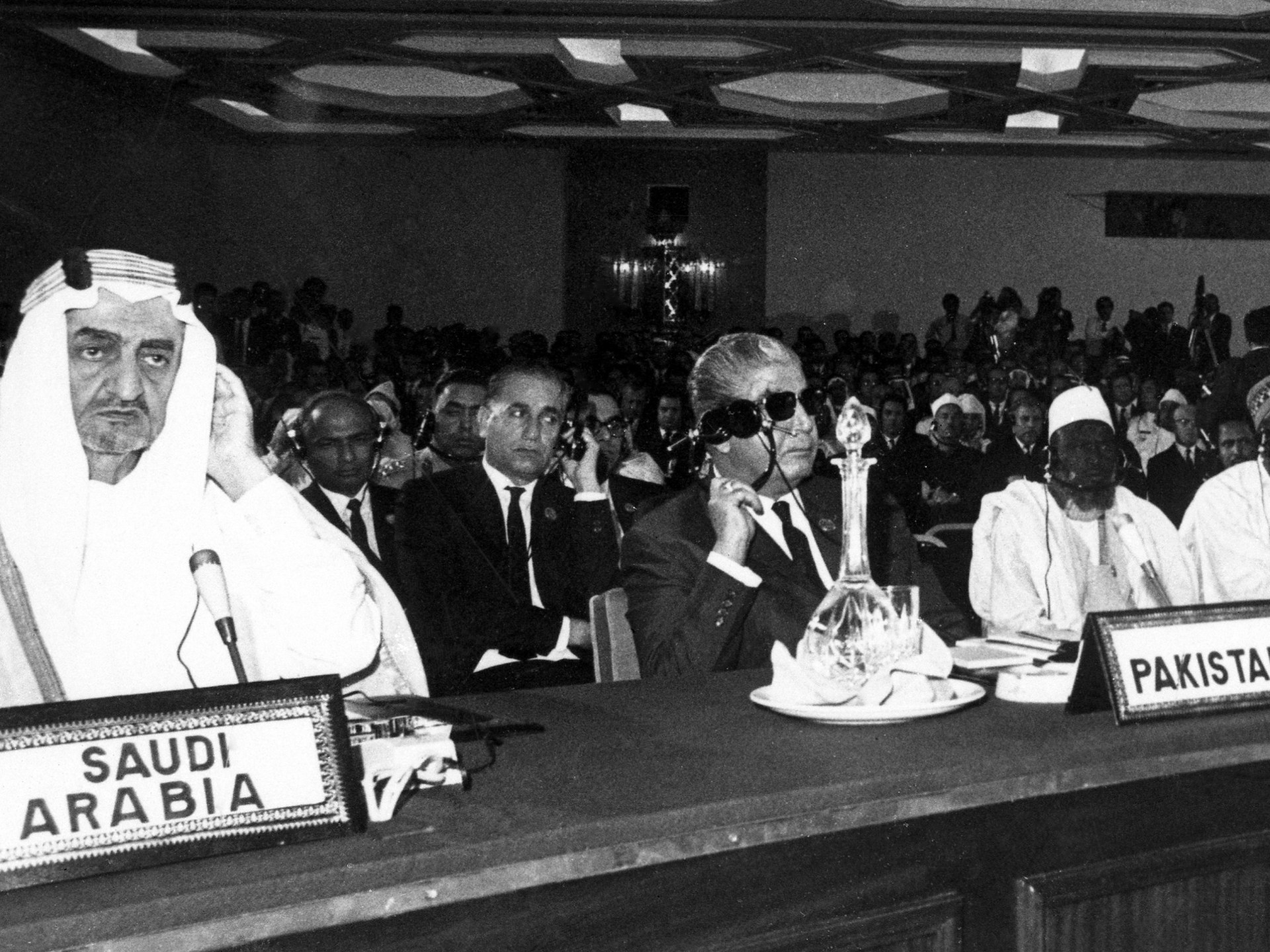
Saudi Palestinian statehood diplomacy is back in focus as a Saudi-backed coalition on the two-state solution meets in Rome. Nawaf Obaid, a senior fellow at King’s College London’s Department of War Studies, writes that Riyadh’s role matters because it ties any recognition of Israel to the creation of a sovereign Palestinian state.
Obaid says Saudi Arabia cosponsored the Global Alliance for the Implementation of the Two-State Solution in 2024, and that the group is now meeting in Rome. He frames that move as part of a long Saudi policy line, rather than a new shift by King Salman or Crown Prince Mohammed bin Salman.
Why does Saudi Arabia matter for Palestinian statehood?
According to Obaid, Saudi Arabia matters because its political, religious and economic weight gives its decisions influence across the Arab and Muslim worlds. He argues that Saudi recognition of Israel would need to come with an “actual and irreversible” Palestinian state to carry legitimacy at home and abroad.
Obaid traces that position to King Faisal, who made Palestinian self-determination a core part of Saudi national security policy. He says later Saudi rulers kept the same principle while adapting their diplomacy to regional changes.
The 1981 Fahd Plan, named for King Fahd, called for Israeli withdrawal from occupied Arab territories and recognition of Palestinian national rights, Obaid writes. He says the 2002 Arab Peace Initiative, advanced by Crown Prince Abdullah before he became king, offered Israel comprehensive peace and normal relations with the Arab world in exchange for withdrawal from territories occupied in 1967 and an independent Palestinian state.
In Obaid’s account, Saudi policy treats recognition of Israel and Palestinian statehood as linked parts of one settlement. He argues that neither step is meant to come first on its own.
How did the Abraham Accords change the debate?
Obaid writes that the 2020 Abraham Accords showed Arab-Israeli normalisation could proceed without progress on Palestinian statehood. The United Arab Emirates and Bahrain established diplomatic relations with Israel under the accords, and Morocco and Sudan later joined, according to his account.
Those deals changed regional diplomacy but did not settle the Palestinian question, Obaid argues. He says successive US administrations have viewed Saudi participation as the missing element that would give wider strategic weight to normalisation with Israel.
Obaid says the Trump administration has again put Saudi-Israeli normalisation at the centre of its Middle East diplomacy. He adds that the push is now shaped by the period after October 7, including the war in Gaza, a ceasefire initiative and the creation of a Board of Peace intended to help end the conflict, stabilise Gaza and begin reconstruction.
What would Saudi recognition of Israel affect?
Obaid argues that a Saudi-Israeli settlement based on Palestinian statehood would alter calculations in Arab states that have not recognised Israel, including Lebanon, Syria, Iraq and Algeria. He says those countries would make their own decisions, but the political setting would change if Riyadh accepted a deal.
He gives Lebanon as an example, saying Washington is encouraging Beirut to move toward formal ties with Israel as part of efforts to stabilise the Israeli-Lebanese frontier. In his view, the domestic cost of such a move would differ after a Saudi-backed settlement built on Palestinian statehood.
Obaid says the same logic applies to major Muslim-majority countries such as Pakistan, Indonesia, Bangladesh and Malaysia, which have not recognised Israel while the Palestinian question remains unresolved. He argues that a settlement accepted by the Custodian of the Two Holy Mosques and paired with Palestinian statehood would remove major political and religious barriers to reconsideration.
Whether the current diplomacy can produce that outcome remains uncertain, Obaid writes. He says Israel, the Palestinians, the United States, the European Union and regional governments all have roles, while the final Saudi decision rests with King Salman and Crown Prince Mohammed bin Salman.
This story draws on original reporting from Al Jazeera.