
Set Zaynab security remains fragile as pilgrims stay away
Residents near the Shia shrine south of Damascus say safety has improved, but fear and weak tourism persist after Assad’s fall.
By Daniel Okafor · Business Editor
3 min read
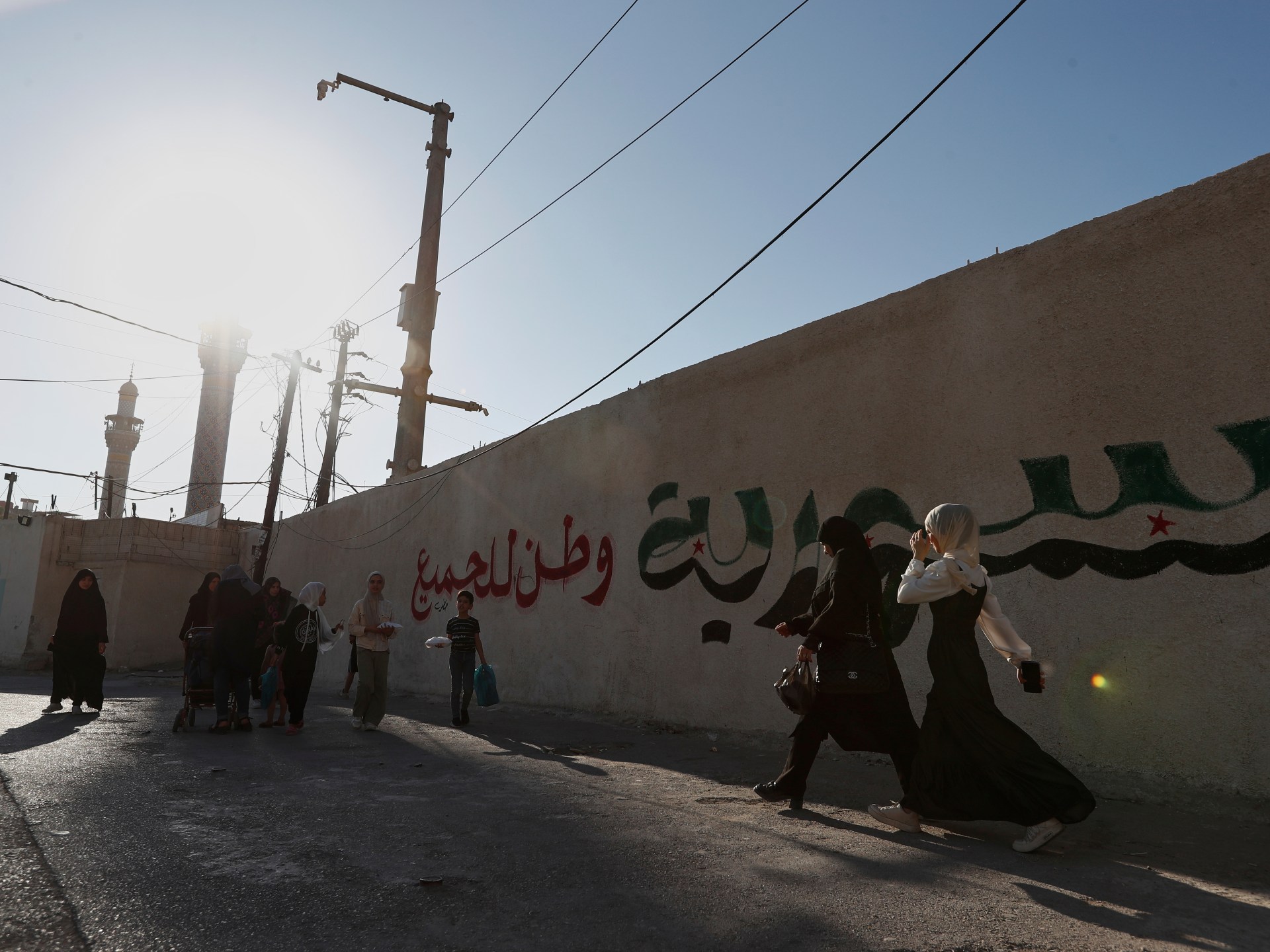
Set Zaynab security has improved since the fall of Bashar al-Assad’s government, residents told Al Jazeera, but fear still hangs over the shrine district south of Damascus. The uncertainty matters because the area’s economy relied heavily on Shia pilgrims, many of whom have not returned.
Mohammad Sallouta, a 47-year-old print shop owner who has worked in Set Zaynab for two decades, told Al Jazeera the area was “90 percent” good in security terms, while adding that people remained afraid because safety was not complete.
Set Zaynab is known for the shrine of Sayyida Zaynab, the granddaughter of Prophet Muhammad and daughter of Ali ibn Abi Talib, the fourth Muslim caliph. Al Jazeera reported that under Assad, Shia pilgrims, especially from Iraq, came in large numbers to visit the shrine, stay in hotels, eat in cafes and shop locally.
Is Set Zaynab safe now?
Residents described Set Zaynab as relatively safe, according to Al Jazeera, but said they would be cautious about encouraging foreign visitors to come for now. They also said they expected conditions to keep improving.
Syrian security forces were present at the shrine entrance during Al Jazeera’s visit, though the report described their presence as limited rather than heavy. A small number of worshippers were seen entering to pray.
The new Syrian government has said it stopped ISIL attempts to attack Set Zaynab, Al Jazeera reported. Authorities also recently arrested a cell in the area accused of planting bombs that exploded during French President Emmanuel Macron’s July visit to Damascus.
In May, Shia cleric Farhan Hassan al-Mansour was killed by a bomb placed in his vehicle, according to Al Jazeera. ISIL claimed responsibility for that assassination.
Why did tourism fall in Set Zaynab?
Tourism in Set Zaynab has sharply declined since Assad’s government fell in December 2024, residents told Al Jazeera. Some visitors from Oman, Bahrain and Kuwait still come in small groups, but Iraqis now rarely visit unless they have Syrian spouses, locals said.
Under Assad, the district was guarded by Iranian forces, Hezbollah and other Iran-backed Shia groups, according to Al Jazeera. Their departure after the regime’s collapse fed concerns that the shrine could become a target in a country where the war had taken on a sectarian character.
Al Jazeera reported that residents spoke openly about their religious identity and described generally easy relations between Shia and Sunni Muslims. One Shia shopkeeper said his brother worked in the security forces and was treated well despite his sect.
The same shopkeeper also described a more complicated fear. He told Al Jazeera that strangers had sometimes asked where he was from in Syria, which he took as an attempt to identify his sect, and said he worried about young men shaped by years of war and exile.
Security agencies have carried out sweeps in Set Zaynab and other areas with religious minorities in recent months, Al Jazeera reported. Syrian security forces have said they found armed cells in some of those areas, while the government has also faced groups linked to the former regime.
Sallouta told Al Jazeera some daily conditions have improved, including the road trip from central Damascus to Set Zaynab, now that many Syrian and foreign checkpoints are gone. But he said high energy costs, weak local demand and the absence of tourists continue to weigh on business.
For residents whose livelihoods depend on pilgrimage traffic, the return of visitors depends on confidence in safety. Sallouta told Al Jazeera that if security is fixed, the rest of life in Set Zaynab can come back.
This story draws on original reporting from Al Jazeera.