
DHL shifts fuel strategy as Middle East conflict lifts jet costs
Jet fuel volatility has pushed DHL Express to alter buying, routing and surcharges while keeping deliveries moving through disrupted markets.
By Sofia Marchetti · World Affairs Correspondent
3 min read
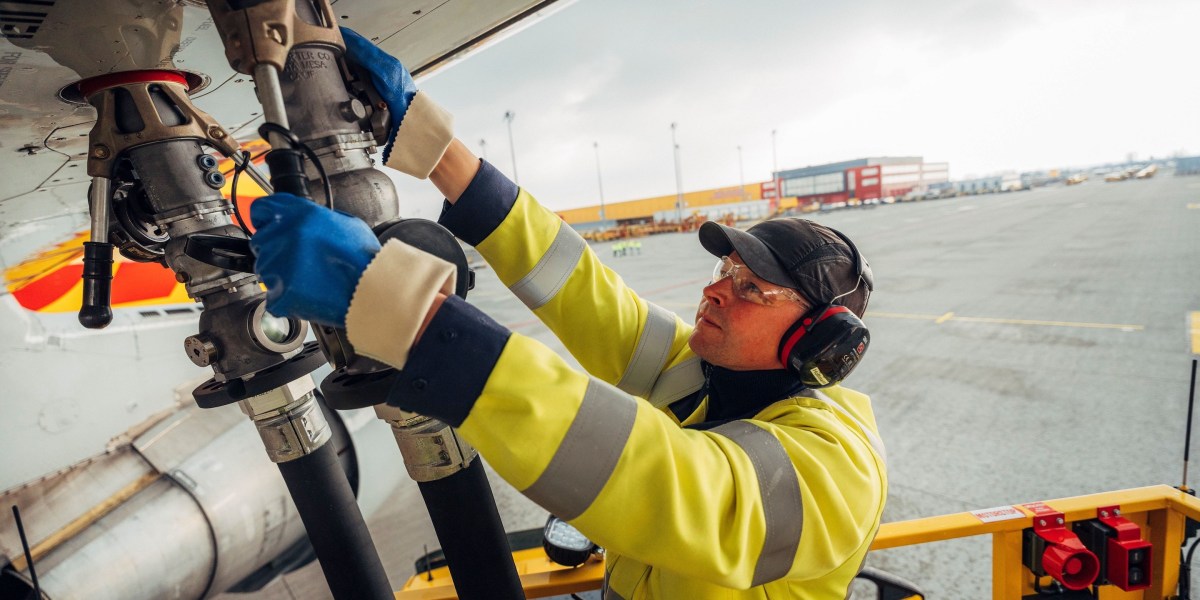
DHL Express is changing how it buys fuel, routes aircraft and charges customers after the U.S.-Iran conflict drove sharp swings in jet fuel prices, Fortune reported. The moves matter because DHL’s air network is large, with 295 aircraft in Europe including third-party planes and charters, and heavy fuel costs can quickly feed into shipping prices.
According to Fortune, the conflict and the closure of key shipping lanes in the Strait of Hormuz have disrupted supply chains and lifted fuel costs for businesses. Argus Media figures cited by Fortune show jet fuel rose from $800 a tonne before the conflict to $1,903 in April, before falling to $918 a tonne.
DHL Express Europe CEO Mike Parra told Fortune the company has used several measures to secure kerosene supplies through the summer. DHL Express Europe ships to 220 countries and handled 248 million shipments worldwide last year, Fortune reported.
Fuel buying and aircraft routing
Parra told Fortune that DHL has broadened the markets where it buys jet fuel, as production has risen in the U.S., South Korea and Nigeria. The company also uses tankering, a practice in which aircraft carry extra fuel to reduce refueling in places where prices are higher.
That choice carries a trade-off because extra fuel adds weight and can reduce the payload an aircraft can carry, Parra told Fortune. He said DHL’s network planning team studies prices and decides where aircraft should refuel.
DHL also relies on an internal shipment system called VISTA to review aircraft weight and balance, according to Fortune. Parra said the tool helps staff calculate routes that are both cheaper and efficient.
The company has increased its use of sustainable aviation fuel, which Fortune said is made from waste and residue oils and fats. DHL Express now gets one-tenth of its air fuel from sustainable sources and has set a goal of 30% by 2030, according to Fortune.
Surcharges rise with fuel costs
DHL has raised its fuel surcharge on air shipments to protect margins, Parra told Fortune. The surcharge, tied to the average daily price of kerosene, reached 48.75% and now stands at 40.75%, according to DHL figures cited by Fortune.
Parra told Fortune the charge is meant to cover costs rather than create profit. Fortune reported that DHL now updates the surcharge weekly and calculates it with a monthly lag, after previously using an eight-week price period and monthly updates.
Middle East operations remain strained
Fuel is not DHL’s only added cost in the region, according to Fortune. The company has introduced a security risk surcharge for deliveries into war-affected areas including Israel and Lebanon, where aircraft insurance has become more expensive.
Parra told Fortune that DHL aims to land, refuel, turn aircraft around and leave quickly in higher-risk locations. The company has also added road linehaul routes in the Middle East, using trucks and vans for areas where aircraft cannot safely land.
Fortune reported that DHL Express remains committed to the region despite the conflict. Last year, the company announced plans to invest more than €500 million in the Middle East, with emphasis on Saudi Arabia and the United Arab Emirates.
Pandemic lessons and staff support
Parra told Fortune that the pandemic helped DHL build experience in handling operational stress. Between December 2020 and May 2021, DHL helped distribute 440 million Pfizer vaccine doses to 92 countries, according to Fortune.
The company also made investments in facilities and road transport during the pandemic that are helping it respond to current geopolitical disruption, Fortune reported. Parra said Covid-19 was a larger challenge because it combined employee health risks with a rapid increase in e-commerce demand.
DHL Express has also expanded wellbeing support for employees, according to Fortune. Parra said staff have raised worries about home pressures, global crises and rising prices, and the company now has 202 mental health first-aiders and a five-step wellbeing plan focused on connection, activity, learning, giving and being present.
This story draws on original reporting from Fortune.