
U.S. Polo Assn. chief says a Nike rejection helped propel his career
J. Michael Prince told Fortune he won a Converse finance role after Nike first said he was not the preferred candidate.
By Daniel Okafor · Business Editor
3 min read
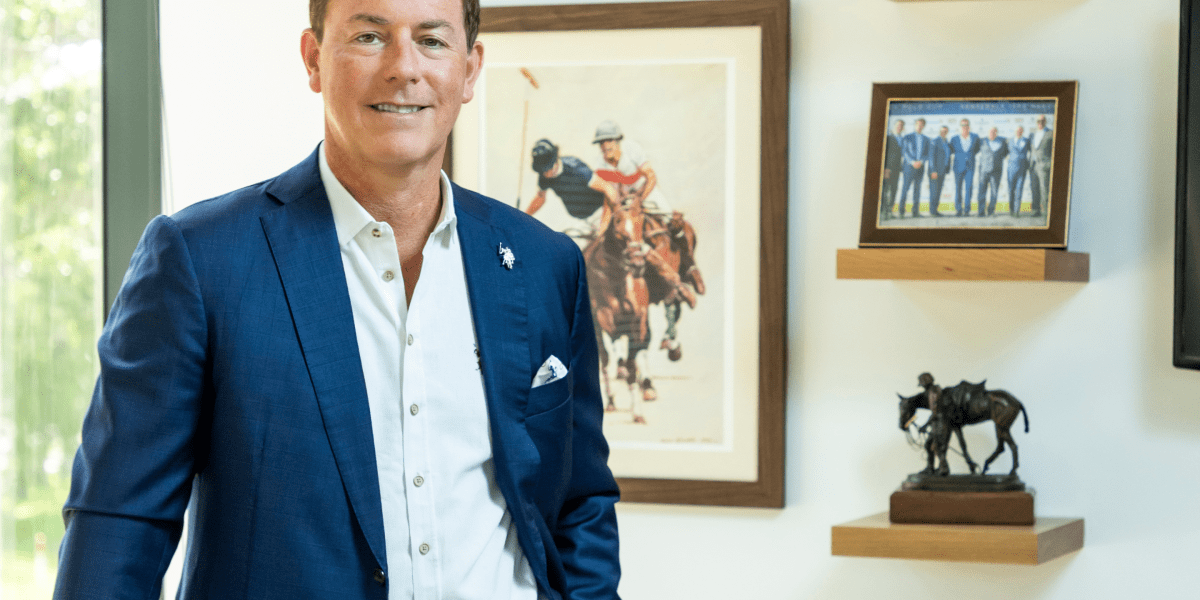
J. Michael Prince said Nike initially told him he was not the person it wanted for a senior Converse job, then gave him the role after months of intense work. The episode matters because Prince now leads U.S. Polo Assn., a global retail brand that Fortune described as a $2.7 billion business.
In an interview with Fortune, Prince said the opening came in 2005, shortly after Nike acquired Converse. He had been with the company for about six months when the Converse chief financial officer position became available, according to Fortune.
Prince said Nike told him he was not viewed as the long-term choice and wanted him to keep the finance operation running while the company searched for someone else. Rather than treat the message as final, he told Fortune he saw the interim period as a chance to show he could do the job.
According to Fortune, Prince worked about 90 hours a week during that stretch and sometimes stayed up through the night. He said the pressure of the moment pushed him to take on more work and try to deliver at a higher level.
Nike ultimately appointed him to the Converse CFO role, Fortune reported. Prince later became CFO of Nike Affiliates, where he oversaw a $4 billion portfolio that included Cole Haan, Hurley and Umbro, according to Fortune.
From Converse to U.S. Polo Assn.
Prince’s career later moved into fashion and retail leadership. Fortune reported that he became chief operating officer of Guess before joining U.S. Polo Assn. as COO in 2017.
Eight months after arriving at U.S. Polo Assn., Prince was promoted to CEO, according to Fortune. The company now has 1,200 retail stores across 190 countries, and Prince co-hosts charity polo events at Windsor Castle with Prince William, Fortune reported.
Prince told Fortune that his path did not begin with elite credentials. He grew up in southeastern Oklahoma, which Fortune described as one of the poorest areas in the United States, and attended a small regional university that many hiring managers did not know.
Asked what helped him stand out, Prince pointed to work ethic and the way he treated colleagues, according to Fortune. He said his background taught him to look for common ground with people and bring a positive approach in workplaces where others could be negatively confrontational.
Advice he gives younger workers
Prince told Fortune that younger workers should pay close attention to openings that appear in front of them, even when the circumstances are not ideal. He said some chances may be brief, and people should think carefully about how to make the most of them while they exist.
Fortune framed Prince’s experience alongside other executives who have described advancement through taking on extra responsibility. The publication cited Kurt Geiger CEO Neil Clifford, L’Oréal U.S. chief human resources officer Stephanie Kramer and Walmart CEO Doug McMillon as leaders who have linked career progress to saying yes to demanding opportunities.
McMillon, who started at Walmart unloading trailers for $6.50 an hour at age 17, later became the company’s youngest CEO since founder Sam Walton, Fortune reported. In a Stratechery interview cited by Fortune, McMillon said stepping in when bosses were away helped make him a lower-risk choice for promotion because colleagues had already seen him perform the work.
This story draws on original reporting from Fortune.