
David Cordani to step down as Cigna CEO after 17 years
Cigna’s longtime chief will become executive chairman July 1 after overseeing a major expansion of the health insurer into services.
By Sofia Marchetti · World Affairs Correspondent
3 min read
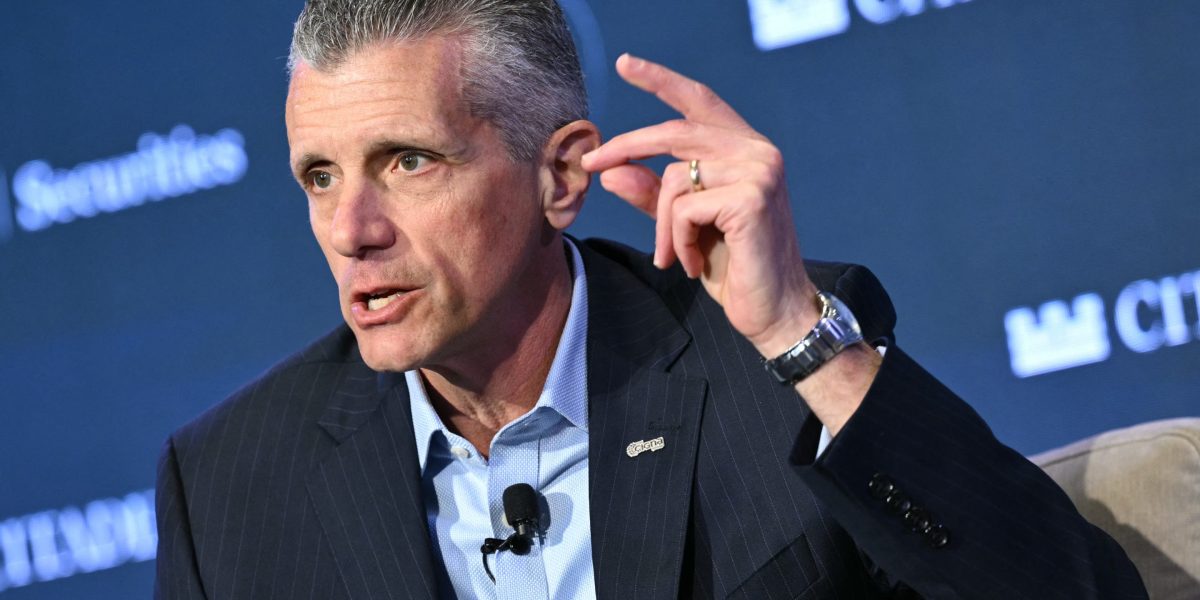
Cigna Group CEO David Cordani will leave the top job on July 1 and move into the executive chairman role, Fortune reported. His departure closes a 17-year run in which the company’s annual revenue rose from $18 billion to $275 billion, according to Fortune.
Cordani’s tenure reshaped Cigna from a large insurer into a broader health services company. Fortune reported that the 2018 acquisition of Express Scripts helped create Evernorth, the company’s health services business.
Brian Evanko is set to succeed Cordani as CEO, according to Fortune. Cordani told Fortune’s Diane Brady that he sees success in the handoff as a transition that works so well he becomes “somewhat forgotten” while Evanko and his team take over.
A defining pandemic decision
In an interview with Brady for Fortune’s CEO Daily, Cordani pointed to the early months of COVID-19 as a key leadership test. He said he was serving on the executive committee of the health insurance industry’s trade group when members considered whether to cover vaccination costs.
Cordani told Fortune he argued that the industry needed to cover those costs. Within two hours, he said, the group had reached an agreement and worked out a plan with the Department of Health and Human Services and the White House.
He then pressed for a broader commitment to cover COVID-related services, according to Fortune. Cordani said Cigna’s board did not ask for a business case or earnings-per-share analysis and instead treated the decision as one guided by the company’s mission.
Fortune reported that Cigna became the first major health insurer to waive patient costs for COVID treatment. Cordani described that choice to Brady as a “leadership moment.”
Cautious view of AI in health care
Cordani also told Fortune that he expects artificial intelligence to have a larger long-term effect on health care than it may show in the near term. He said people sometimes overstate the impact over two years and understate it over a decade.
He told Fortune he does not think AI is ready to make clinical decisions. He said the technology can help gather and organize information that supports those decisions.
Cordani also warned that AI could worsen cybersecurity risks, according to Fortune. That concern comes as companies in health care and other industries look for faster ways to use the technology.
Changing the role of CEO
Asked about leadership, Cordani told Fortune that the job has become less rooted in hierarchy and authority. He said leaders now need to coach, enable and show authenticity, vulnerability, flexibility and energy.
Cordani also described one regret from earlier in his career: not listening closely enough soon enough. He told Fortune that his action-oriented style sometimes blocked fuller understanding.
As he prepares to leave the CEO role, Cordani told Fortune he is trying not to tie his identity too closely to the title. After 25 years in leadership roles, he said he is entering unfamiliar territory and wants to be honest with himself about that shift.
Cordani said he plans to remain active in work tied to health and well-being systems, according to Fortune. He told Brady that society benefits when people have higher levels of vitality.
This story draws on original reporting from Fortune.