
Private credit firms expand Gulf lending as SME funding gap draws capital
Government diversification plans and limited bank lending to SMEs are pulling global private credit managers deeper into the Gulf.
By Sofia Marchetti · World Affairs Correspondent
4 min read
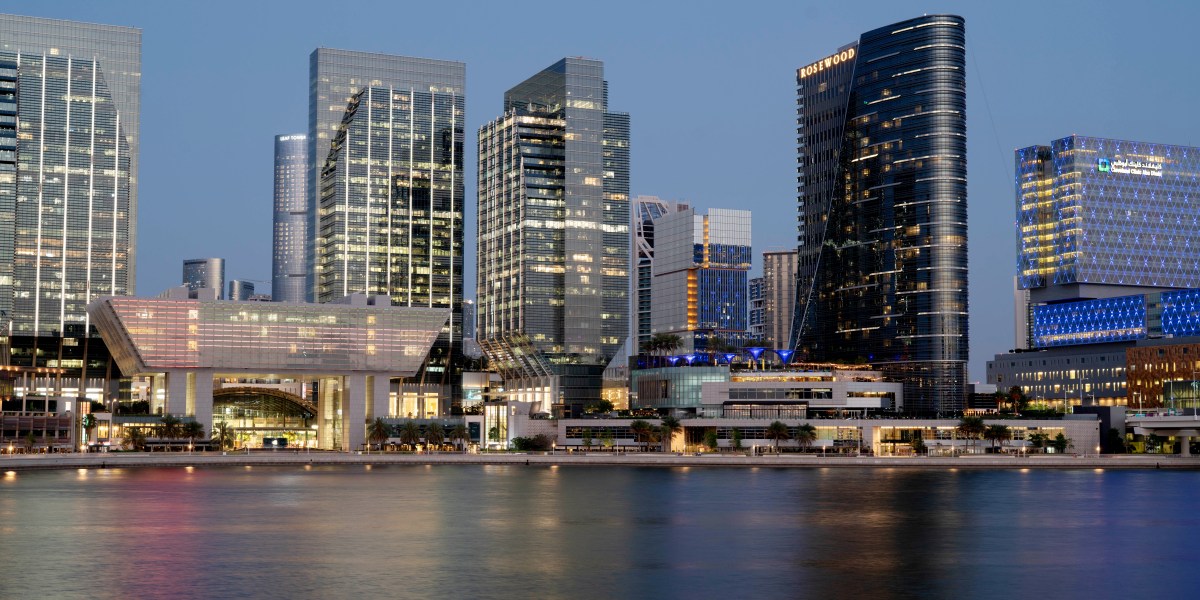
Private credit managers are building a larger presence in the Gulf as government-backed diversification plans create demand for non-bank lending. Fortune reported that the market remains small by global standards, but a large SME funding gap and new sovereign partnerships are drawing international capital.
Across the Gulf Cooperation Council, governments are pursuing plans such as Saudi Arabia’s Vision 2030, UAE 2031 and Dubai’s D33 agenda, according to Fortune. Those programs include privatization and support for local small and midsize businesses, areas where traditional bank finance remains limited.
Fortune reported that GCC banks generally favor large companies and government-linked borrowers. SMEs account for less than 10% of total bank lending in the region, leaving an estimated credit shortfall of about $250 billion.
Partners for Growth builds a Gulf book
Partners for Growth, a San Francisco-based lender with an office in Dubai, has become one of the early private credit firms active in the region, according to Fortune. The firm first financed a Gulf company in 2020 and has since made about $450 million in commitments, mainly in Saudi Arabia and the United Arab Emirates.
Fortune reported that PFG has backed technology companies including Tabby, TruKKer, Bayzat, Syarah, Huspy and Silkhaus. The firm provided $10 million to Saudi fintech Tabby after its seed round and remains a lender to the company, according to Fortune.
Armineh Baghoomian, managing director of Partners for Growth, told Fortune that the firm focuses on emerging technology and innovation companies. She said many borrowers have only one or two years of operating history, a profile that many banks are still working out how to finance, especially when profitability is limited or absent.
PFG often structures facilities for asset-heavy companies, and Fortune reported that most of its Gulf transactions have been sharia-compliant. Baghoomian said entrepreneurs and investors in the region often favor those structures.
The firm has worked with organizations including Dubai International Financial Centre, Saudi Venture Capital, Sukna Capital and Jada, an investment vehicle created by Saudi Arabia’s Public Investment Fund, according to Fortune. Baghoomian told Fortune that national diversification agendas are helping form innovation ecosystems and attracting international institutional money.
Global managers add regional operations
The Public Investment Fund said in April that it would anchor a new private credit fund run by King Street Capital Management, according to Fortune. The fund is expected to provide financing to companies and pursue asset-based lending across the region.
King Street, which manages $30 billion in assets, has been increasing its regional activity, Fortune reported. Brian Higgins, the firm’s founder and managing partner, said the private credit market in Saudi Arabia and the wider MENA region may need to expand by 15% to 30% a year over the next five years to support economic development, and said King Street is working to open a Riyadh office.
Blue Owl Capital also expanded in the region with a new headquarters in Abu Dhabi Global Market, while keeping its Dubai office, according to Fortune. The Abu Dhabi office includes staff from the firm’s Institutional Capital and GP Stakes divisions and is Blue Owl’s 23rd office globally.
Haitham Abdulkarim, managing director of Blue Owl’s Abu Dhabi office, told Fortune that the Middle East has become both a strategic market and a sophisticated investor in alternatives. He cited private credit, asset-backed finance, digital infrastructure, real assets and GP strategic capital as areas of interest.
Fortune reported that Blue Owl has already partnered with Qatar Investment Authority on a $3 billion digital infrastructure platform aimed at increasing computational capacity for hyperscalers. Baghoomian told Fortune that sovereign investors, particularly development-focused ones, may require asset managers to invest some raised capital back into the local economy.
Conflict tests lenders, but products broaden
Baghoomian told Fortune that Partners for Growth initially saw activity slow because of the Iran war, but later saw a pickup as other lenders came under pressure. She said PFG signed two new term sheets in recent months and that some funds had paused lending or considered leaving the region.
The Gulf private credit market is about $5 billion, Fortune reported, compared with an estimated $1.3 trillion to $1.6 trillion in U.S. private credit assets under management. The U.S. represents roughly three-quarters of the global market, according to Fortune.
A PwC study published last year found that the Gulf market is becoming more sophisticated and moving toward more targeted products, including distressed debt, Fortune reported. Baghoomian said net asset value financing, distressed transactions and GP financing are appearing in the region, bringing structures more common in the U.S. and Europe into Gulf markets.
This story draws on original reporting from Fortune.