
Cuban says data center fights show deeper public anger at AI
Mark Cuban, Paul Krugman and Paul Kedrosky point to jobs, wealth and weak worker protections as drivers of U.S. hostility toward AI.
By Daniel Okafor · Business Editor
3 min read
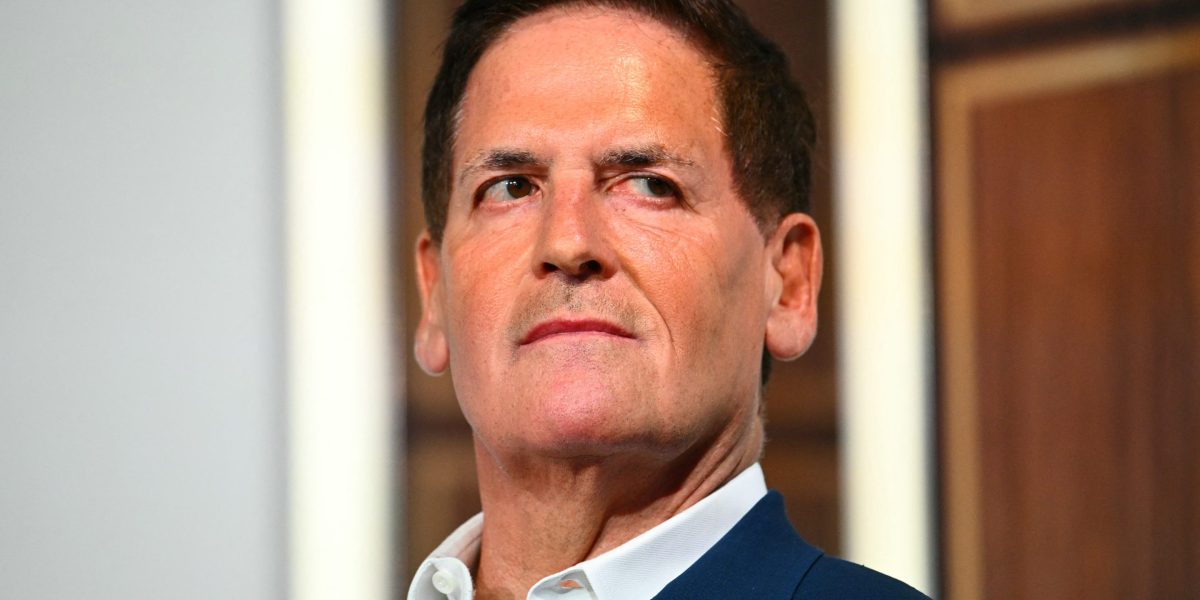
Mark Cuban said public resistance to data centers is becoming a stand-in for broader anger at artificial intelligence, jobs anxiety and the wealth being built around the technology. His warning adds to a wider critique from economists and investors who say the AI industry’s public problem cannot be solved by better promotion alone.
Cuban wrote Thursday on X that fights over data centers are “a proxy” for resentment toward AI and the concentration of money it is creating. Fortune reported that the post drew more than 700,000 views within hours.
The same day, Paul Kedrosky, a venture capitalist and MIT fellow, argued in a New York Times guest essay that U.S. pessimism about AI tracks with the country’s labor protections. Paul Krugman, the Nobel-winning economist, wrote on Substack that the backlash reflects the industry’s own choices, not routine suspicion of new technology.
Jobs fears sit at the center
Goldman Sachs economist Joseph Briggs estimated in the firm’s Top of Mind report that as much as 9% of the U.S. workforce, about 15 million people, could be displaced during a decade-long AI transition. Briggs said those risks would fall heavily on routine cognitive white-collar roles, according to Fortune.
Briggs also said he expects the disruption to be temporary and that AI will create more jobs than it removes over the long run. That forecast depends on the U.S. labor market generating new work fast enough to absorb displaced employees.
Kedrosky’s argument challenges that assumption. He cited a survey of 24,000 adults in 30 countries showing that people in most countries view AI more favorably than Americans do, and said the gap is tied less to culture or politics than to what happens when workers lose jobs.
According to Kedrosky, jobless workers in Norway receive about 67% of prior wages while searching for work, compared with 66% in France and 60% in Germany. In the United States, he wrote, losing a job can also mean losing health insurance for a worker and their family.
Tech’s own warnings backfired
Krugman wrote that AI leaders helped create the public backlash by emphasizing the technology’s potential to wipe out jobs. He pointed to Anthropic CEO Dario Amodei’s warning that AI could eliminate half of entry-level white-collar positions and push unemployment to 20% within five years, and said OpenAI CEO Sam Altman had also promoted severe scenarios.
Krugman argued that such warnings may have helped attract investors and push companies to adopt AI faster. He said they also made AI look less like a productivity tool and more like a threat to workers’ livelihoods and professions.
Krugman also cited forced adoption as a reason for public frustration, saying Americans are being required to use AI by employers and by platforms that change products without giving users a clear way to opt out. He linked the backlash to a broader decline in trust in large technology companies.
Cuban’s criticism focused on the culture of leading AI companies. He wrote that major large language model companies had lost the public relations fight because they fail to put people first, and accused Silicon Valley leaders of acting like Ayn Rand’s John Galt, a figure who views elite innovators as civilization’s essential force.
MIT economist Daron Acemoglu, quoted in Goldman’s report, said AI firms could build tools that support workers instead of replacing them. He warned that if industry incentives do not change, he expects larger net job losses over the next 10 to 15 years.
Cuban urged AI companies to stop relying on politicians, celebrities and broad claims about helping humanity. He said they should meet with towns, cities, artists and creative unions likely to be affected by AI, ask what support is needed and fund those requests as a cost of doing business.
This story draws on original reporting from Fortune.