
Consumer companies delay IPOs as private-market options grow, experts say
A thin 2026 consumer IPO slate has revived debate over whether private capital and secondary sales are reducing the urgency to list.
By Daniel Okafor · Business Editor
3 min read
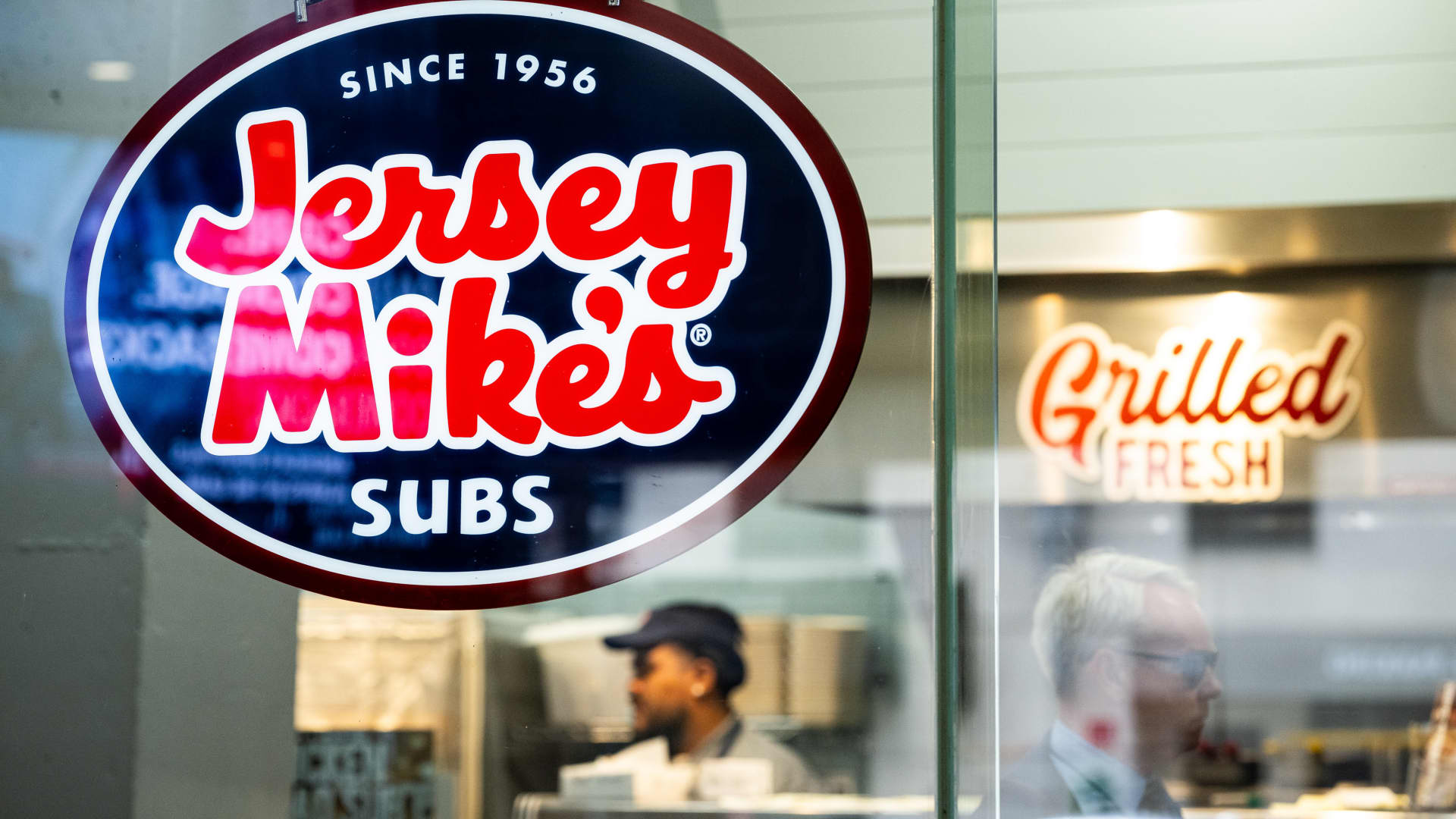
Experts say some consumer companies delay IPOs because private capital and secondary-share sales can provide funding or investor liquidity without a public listing. The evidence for 2026 is a limited IPO slate: Renaissance Capital lists three priced U.S. consumer-discretionary offerings this year and no scheduled offerings in the category when its page was viewed.
The three listed deals are Jersey Mike’s, Reformation and Bob’s Discount Furniture. Renaissance’s consumer-discretionary category spans retailers, consumer-goods brands, restaurants, autos, hotels and other hospitality businesses, so it is a broad measure of consumer-facing listings rather than a count of every consumer company.
CNBC reported that Jersey Mike’s and Reformation were among only a handful of consumer and retail businesses to go public in 2026. Renaissance lists the two offerings as priced on July 29, while CNBC described their trading results without assigning a precise offering date: Jersey Mike’s finished its first day down nearly 6%, and Reformation was essentially flat.
Why are some consumer companies delaying IPOs?
Private-company secondary markets allow existing shareholders to sell stakes to new investors before an IPO. Sunaina Sinha Haldea, global head of private capital advisory at Raymond James, told CNBC that this market can ease pressure on a company to list because it offers an alternative path to liquidity.
Jason Yeh, co-founder of consumer-focused venture firm Patron, told CNBC that large asset managers, hedge funds and other investors can buy later-stage private stakes. In his view, those transactions can give earlier investors liquidity while allowing a company to remain private longer. Yeh also cited public-market volatility and weak performance among listed consumer and retail businesses as factors that may make an offering less appealing.
Mike Dinsdale, chief executive of Powerlaw, told CNBC that abundant private capital, megafunds and private-market liquidity have reduced the need for some companies to rush into an IPO. He also said founders may prefer less public visibility into company figures and fewer outside judgments tied to the quarterly earnings cycle. Those are market participants’ assessments, rather than evidence that private-market funding has caused a measured decline in consumer listings.
Going public remains a way to raise capital and give investors a publicly traded security. For a primer on how shares trade once a company lists, see how the stock market works. Yeh told CNBC that companies with strong cash-generating models may still seek IPOs when broader economic conditions improve.
The current picture is far quieter than the broader U.S. IPO surge of 2021. CNBC reported that Nasdaq welcomed 743 IPOs that year, while Morningstar estimated that companies going public raised almost $500 billion. Those figures cover the overall IPO market, not consumer companies specifically.
The recent Jersey Mike’s and Reformation debuts show muted initial trading for two consumer issuers, but they do not establish why those companies chose to list or whether other companies postponed offerings. The available data points instead to a sparse consumer-discretionary calendar alongside investor views that private financing and secondary transactions can give some companies more time before an IPO.
This story draws on original reporting from CNBC.