
Trump cancels Iran strikes, saying a deal must come quickly
Trump said he had called off a planned attack on Iran while talks continue, but Iran has not confirmed any agreement.
By Daniel Okafor · Business Editor
3 min read
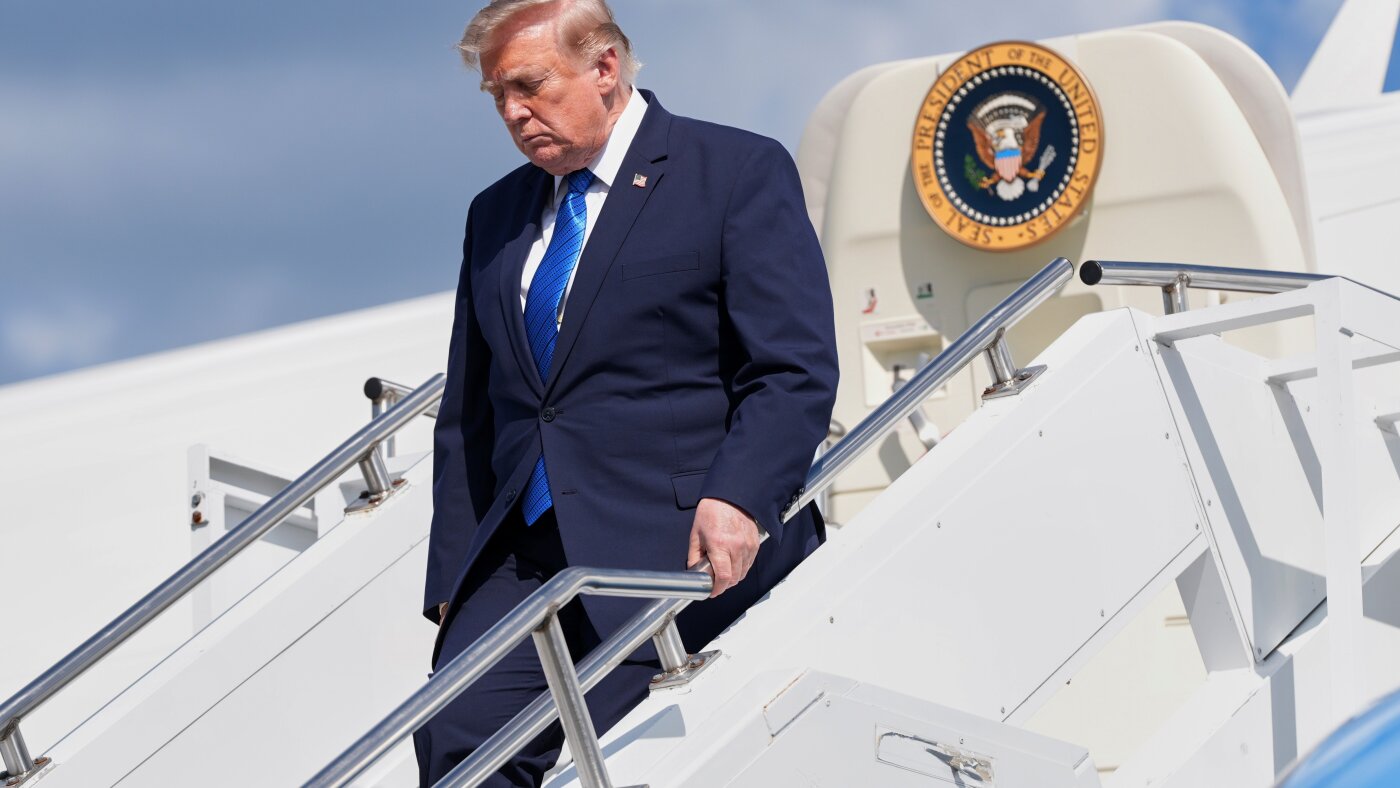
President Donald Trump said he had agreed to cancel a planned attack on Iran, subject to rapidly making a deal. The announcement on Truth Social late Saturday put Trump cancels Iran strikes at the center of renewed diplomacy in a five-month conflict, but no mutually confirmed agreement has emerged.
According to NPR, Trump said Iran and other Middle Eastern countries had asked the United States to hold off because the outlines of a deal had been settled. He said the United States remained prepared to act and that Israel was part of the commitment to pause the planned attack.
What did Trump say an Iran deal would require?
Trump said a prospective agreement would require the immediate, complete reopening of the Strait of Hormuz and an end to what he called Iran’s nuclear threat, NPR reported. His post made the cancellation conditional on the parties being able to reach a deal quickly; it did not announce a completed agreement.
Iran had not confirmed Trump’s account. NPR reported that Mehr, a semi-official Iranian news agency, called his claim a lie while citing unnamed military officials. The Associated Press later reported that Iran’s defense minister said the country was neither surprised nor passive and remained alert to threats.
Who asked for a pause in attacks?
Trump did not identify the Middle Eastern countries he said had sought the delay. Saudi Arabia’s state news agency said Crown Prince Mohammed bin Salman spoke with Trump and urged dialogue, de-escalation and work toward a truce, according to NPR. That account does not establish that Saudi Arabia or Iran accepted the terms Trump described.
The Associated Press said Trump’s announcement was aimed at halting new planned attacks while talks sought to wind down the war and restore cargo traffic through the Strait of Hormuz. The pause follows earlier announcements of ceasefires or suspended strikes that did not last, AP reported.
AP’s timeline said Trump declared a two-week ceasefire on April 7, followed by U.S. strikes on Iranian tankers on May 8. He also called off a planned strike on May 18 while negotiations were underway, but U.S. strikes resumed by May 27 after those talks faltered. An initial agreement announced June 17 was followed by renewed strikes on July 7, AP reported.
The outcome of the latest announcement could also affect oil markets. The U.S. Energy Information Administration said disrupted flows through the Strait of Hormuz had contributed to higher crude prices in the second quarter of 2026, when China’s crude imports fell. EIA said the lower Chinese imports reduced global demand and eased some upward pressure on prices.
This story draws on original reporting from NPR.