
CME single stock futures launch offers new way to trade big US names
CME Group will list futures tied to more than 50 US companies, aiming at retail traders and institutions seeking leveraged stock exposure.
By Maya Lindqvist · Senior Technology Correspondent
4 min read
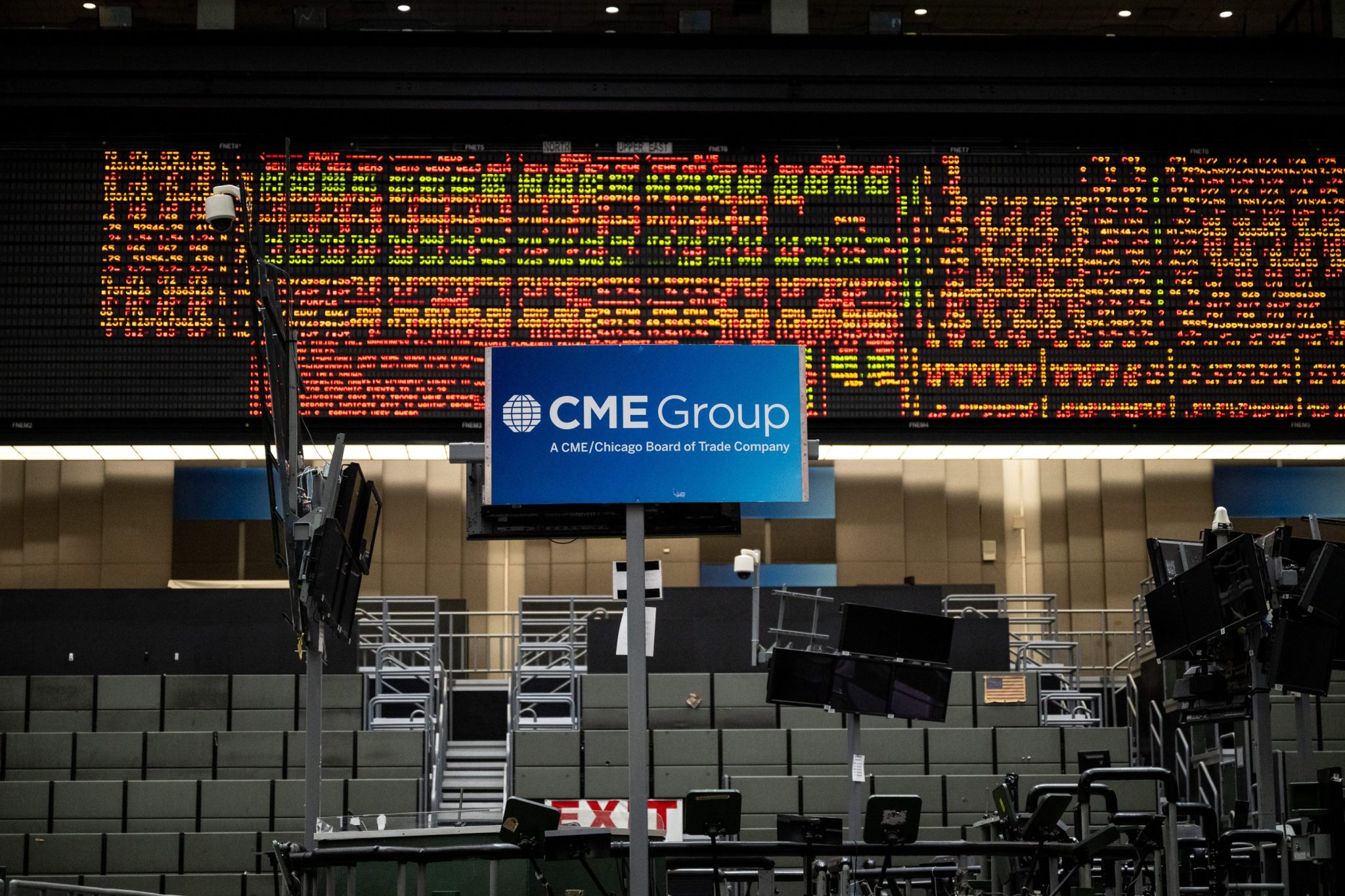
CME single stock futures are set to begin trading Monday, giving investors a new way to take leveraged positions in major U.S. companies without buying shares. CME Group says the contracts will cover more than 50 large U.S. names and will settle in cash based on the closing price of the linked stock.
The launch matters because CME is trying to revive a product that struggled in the U.S. after its first rollout more than two decades ago. The exchange is pitching the contracts as a simpler alternative to options for traders who want to hedge, speculate or gain exposure when shares are hard to obtain.
What are CME single-stock futures?
Single-stock futures are contracts whose value is tied to the price of one company’s shares. They let traders go long or short with leverage, and CME’s version will settle in cash rather than require delivery of stock.
Unlike options, the contracts do not require traders to price variables known as the Greeks, which measure how factors such as volatility, time and interest rates affect an option. Tim McCourt, CME’s global head of equities, FX and alternative products, said in a phone interview that the exchange sees the product as a way to bring more traders into its markets.
CME is targeting retail traders through more than 35 retail intermediaries, McCourt said. It also expects institutional investors, including asset managers, to use the contracts to manage risk.
How the contracts will trade
CME says the futures will be available five days a week for 23 hours a day, far longer than the regular U.S. stock market session. The contracts will be quarterly products.
The exchange plans two sizes. It will introduce 55 larger contracts tied to 100 shares, matching the scale of standard options contracts. It will also list 22 micro contracts tied to 10 shares, including contracts on the Magnificent Seven technology companies and other names such as Micron Technology, Pfizer and Walmart, according to CME.
One possible use, according to CME, is gaining long or short exposure when stock supply is limited. The company pointed to situations such as SpaceX’s recent initial public offering, where investors who did not receive shares could use futures to add exposure in a more capital-efficient way.
Martin Franchi, chief executive of futures broker NinjaTrader, said retail traders may find the contracts easier to understand than options. He said today’s level of retail market participation could make the product’s second U.S. run different from its first.
Why CME is trying again
Single-stock futures have a difficult U.S. history. They were barred for nearly two decades before a regulatory agreement in 2000 and trading rules approved in 2002 allowed them to return. The market failed to draw lasting interest and disappeared in 2020.
Regulators later lowered the minimum amount of money investors may need to trade the contracts in an effort to revive the market. CME also needed approvals from both the Securities and Exchange Commission and the Commodity Futures Trading Commission.
CME Chairman and Chief Executive Terry Duffy acknowledged the earlier failure on the company’s July 22 earnings call, saying the contracts “failed miserably” the first time and that markets have changed since 2000.
Outside the U.S., single-stock futures already play a larger role. In India, they are used for leveraged positions, hedging and arbitrage. In Europe, financial firms use them to improve balance sheet efficiency and manage exposures, according to Jeremy Cohen, global head of derivatives broker Stellar Securities.
The new contracts also carry risks. Mat Cashman, principal for investor education at the Options Clearing Corp., said trading outside normal market hours can be uneven, especially around earnings announcements. Retail futures traders also typically pay commissions, unlike many stock and options traders on platforms that advertise zero-commission trading.
Stuart Kaiser, head of U.S. equity-trading strategy at Citigroup, said adoption may depend on whether discount brokers promote the products and make them easy to trade. He said retail investors have grown used to getting leverage through call options and leveraged exchange-traded funds.
This story draws on original reporting from Fortune.